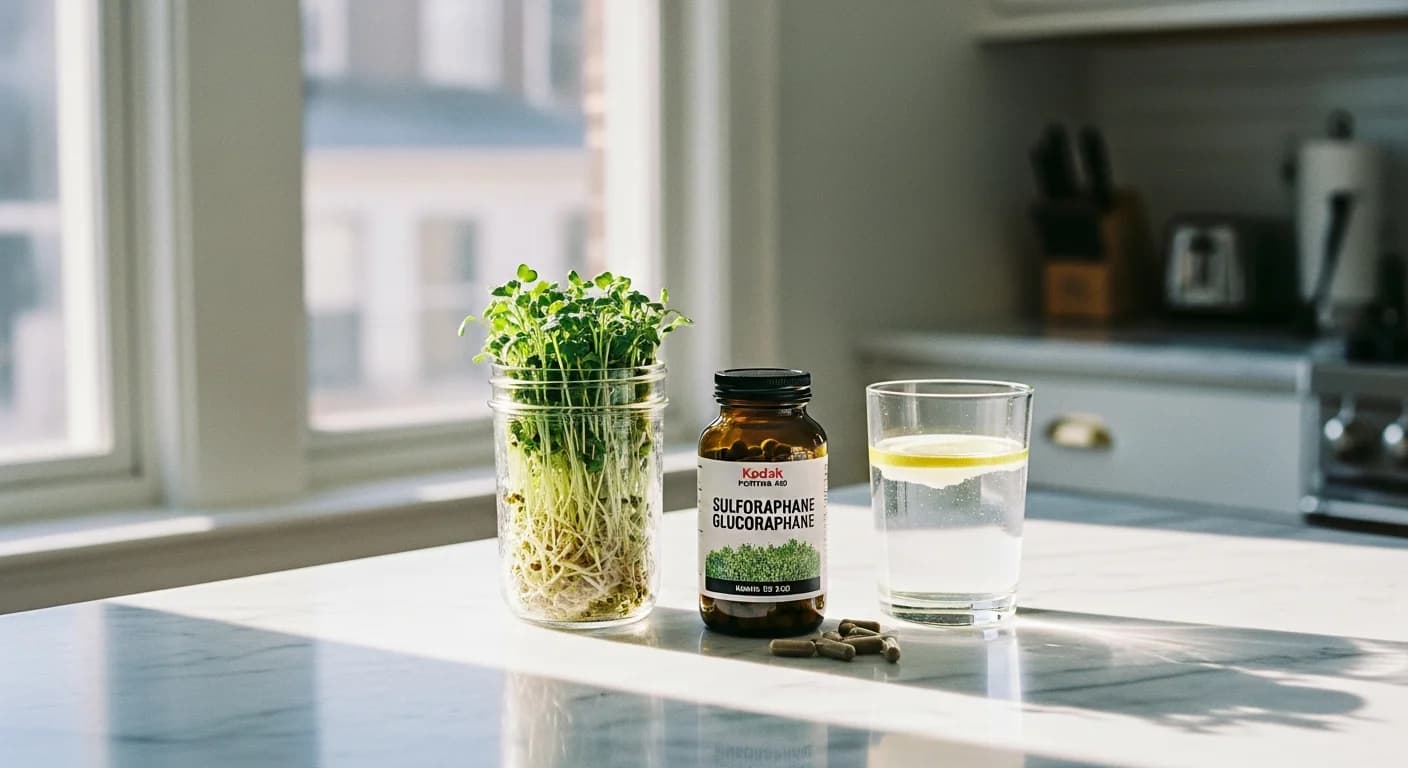

Sulforaphane is a compound your body makes from glucoraphanin, a precursor found in cruciferous vegetables, most abundantly in 3-day-old broccoli sprouts (which contain 50 to 100 times more glucoraphanin than mature broccoli). It activates the Nrf2 pathway, a master switch that turns on more than 200 antioxidant and detoxification genes, including Phase II enzymes that clear carcinogens and urban pollutants. The practical dose is 10 to 40 mg per day from raw sprouts or a glucoraphanin-plus-myrosinase supplement. The main caution: in existing cancer cells, sustained Nrf2 activation may promote chemotherapy resistance, so patients in active cancer treatment must discuss this with their oncologist first.
Sulforaphane is not just another antioxidant. It is a hormetic compound, something that creates mild, helpful cellular stress, that activates the bodys own defense systems rather than neutralizing free radicals on the spot. The richest source is 3-day-old broccoli sprouts, and the key to switching on its activity is an enzyme called myrosinase.
What sulforaphane is and what it does
Sulforaphane is an isothiocyanate, a sulfur-containing plant compound, made from glucoraphanin, a glucosinolate found in cruciferous vegetables like broccoli, cabbage, and kale. Its main job is to activate the Nrf2 pathway (nuclear factor erythroid 2-related factor 2), arguably the most important cellular defense system most people have never heard of.
Under normal conditions, Nrf2 is held inactive by a partner protein called Keap1 (Kelch-like ECH-associated protein 1), which constantly tags Nrf2 for breakdown. Sulforaphane modifies specific cysteine residues on Keap1, causing it to release Nrf2. Once free, Nrf2 moves into the cell nucleus and binds to Antioxidant Response Elements (AREs) in DNA, switching on more than 200 genes that produce antioxidants (glutathione, catalase, superoxide dismutase), Phase II detoxification enzymes (GSTs, NQO1, UDP-glucuronosyltransferases), anti-inflammatory mediators, and DNA repair tools. The upregulation lasts about 72 hours, providing sustained protection.
This is the key distinction from vitamin C: vitamin C donates electrons to neutralize free radicals on contact. Sulforaphane signals your cells to build their own defense team. In healthy cells, Nrf2 activation is protective. In existing cancer cells, however, constant Nrf2 activation can sometimes promote tumor growth and chemotherapy resistance. This is why sulforaphane is studied for cancer prevention, not as a treatment for active cancer.
Who this is for (and who it isn't)
Sulforaphane has clinical relevance across several patient profiles.
It tends to help:
- Cancer prevention. Phase II enzyme induction detoxifies carcinogens including benzene, polycyclic aromatic hydrocarbons (from grilled meat, air pollution, smoke), and aflatoxins. It also promotes apoptosis in pre-cancerous cells and inhibits histone deacetylase, an epigenetic effect that reactivates tumor suppressor genes. Epidemiologic cohorts link high cruciferous vegetable intake to reduced risk of prostate, breast, colorectal, and lung cancers.
- Environmental detoxification. A clinical trial in China showed sulforaphane increased urinary excretion of benzene by 61% and acrolein by 23%. It also enhances glutathione-driven detoxification of lead, cadmium, and mercury. This is particularly relevant for Philadelphians living near I-95 or industrial corridors. Supporting the body's own clearance pathways is a different proposition from a chelation protocol, and our guide to heavy metal detox separates the two.
- Metabolic health and type 2 diabetes. A 2017 randomized controlled trial in Science Translational Medicine showed sulforaphane reduced fasting blood glucose and HbA1c in obese patients with type 2 diabetes, through reduced hepatic glucose production.
- Brain and mood support. Emerging evidence includes improvements in social and verbal behavior in a small randomized controlled trial in autism spectrum disorder over 18 weeks, improved cognitive function and reduced oxidative stress markers in schizophrenia studies, and potential for depression through reduced neuroinflammation.
- Skin protection. Sulforaphane supports skin defense from UV damage by reducing redness and helping prevent photoaging.
- Preventive maintenance generally. Animal models of traumatic brain injury show sulforaphane given before injury significantly reduced blood-brain barrier permeability, brain swelling, and neuronal damage. Given after the injury, the benefit was much smaller. Think of it like fire sprinklers: they work because they are already installed when the fire starts.
It is not the right tool, or needs a careful conversation first, for:
- Patients in active cancer treatment. Constant Nrf2 activation in existing cancer cells may promote chemotherapy resistance, most concerning for certain platinum-based and alkylating chemotherapies. Always discuss with your oncologist before starting.
- Patients with severe hypothyroidism or iodine deficiency. Cruciferous vegetables contain goitrogens (compounds that can interfere with iodine uptake by the thyroid). For most people with adequate iodine intake, normal cruciferous consumption is safe. Very high raw intake (over 200 g daily) may worsen thyroid function in vulnerable patients.
- Pregnancy (high-dose supplements). Generally safe as part of normal dietary intake. Stick to food sources rather than high-dose supplements during pregnancy.
How we evaluate it: do you need it, is it safe, does the dose work, then cost
Every supplement we recommend runs the same 4 gates, in order, and most things never make it past the first one (the whole process is in how we choose supplements).
- Do you need it? No lab makes this call. It ties to a specific goal, and broccoli sprouts cover a good deal of the same ground for less.
- Is it safe? The safety screen includes medication review (chemotherapy, levothyroxine, warfarin) and thyroid status for patients considering high-dose supplementation. Sulforaphane can affect cytochrome P450 enzymes in theory, and cruciferous vegetables contain vitamin K, which is relevant for warfarin and INR monitoring.
- Does the dose work? The single biggest effectiveness variable is myrosinase. Glucoraphanin is the stable, inactive precursor; myrosinase is the enzyme that converts it into active sulforaphane. Cooking broccoli above 160 degrees Fahrenheit destroys myrosinase and can reduce sulforaphane yield by up to 90%. A glucoraphanin-plus-myrosinase supplement (or raw sprouts eaten with thorough chewing) is the only reliable delivery method. Brands like Avmacol or BroccoMax (with added mustard seed extract) supply the enzyme. If using a glucoraphanin-only supplement, swallow it with a quarter teaspoon of ground mustard seed, a natural myrosinase source that can rescue conversion efficiency from about 10% up toward 40%.
- What does it cost? Among options that solve the myrosinase problem, we take the best value. Growing broccoli sprouts at home in a quart jar costs roughly 50 cents per ounce of finished sprouts, making it the most cost-effective option for patients willing to do it.
- What we make on it: nothing. Our only charge is the flat membership fee, and nothing is ever added on top of it. We take nothing on supplements, labs, imaging, or medication, which means every discount we can negotiate reaches you at cost. There is no conflict of interest here to work around, so the 4 gates above are the only things deciding what you hear from us.
How to dose it, and when
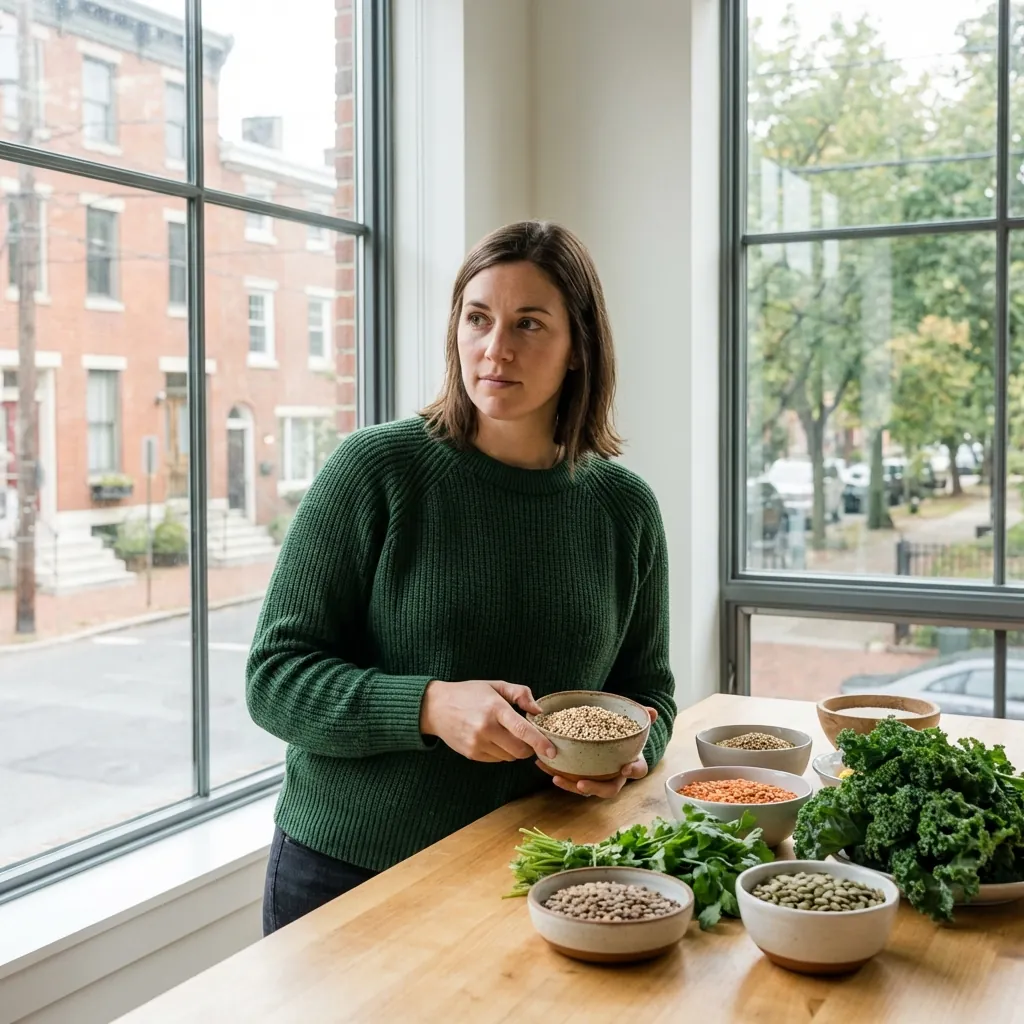
Before the numbers, one situation worth naming. When someone's gut is inflamed and capsules of any kind are being poorly tolerated, sprouts are the route that still works. Food arrives with the rest of a meal rather than as a concentrated dose hitting an irritated stomach lining, and adding them to what a household already eats reaches everyone at the table rather than only the person who was prescribed something. That is often the practical answer while acid suppression is being tapered and supplements are being reintroduced one at a time.
Sprouts also sidestep a worry that reasonably attaches to raw greens. The Cyclospora outbreaks that recur through summer are tied to field-grown produce contaminated by water or soil, while sprouts are grown indoors from seed in trays. Rinse them as you would anything raw, and buy from a producer you can name, since sprouts have their own history with Salmonella and E. coli when seed handling is poor. Anyone pregnant or significantly immunocompromised should cook them or use a supplement instead.
The right dose depends on the goal and the form.
- Cancer prevention and general detox. 10 to 20 mg of sulforaphane daily.
- Metabolic and diabetes support. 20 to 40 mg daily.
- Neurodevelopmental research doses (autism, schizophrenia). Up to 50 to 100 mg daily, under medical supervision.
How to achieve those doses in practice:
- Raw broccoli sprouts. 30 to 60 g (1 to 2 oz) daily delivers roughly 5 to 60 mg depending on sprout age and freshness. Whole food, high bioavailability, inexpensive to grow at home.
- Sprout powder with myrosinase. 1 to 2 g daily. Convenient and standardized, but quality varies; verify active myrosinase is present.
- Glucoraphanin only. 200 to 400 mg daily. Shelf stable and convenient, but relies on gut bacteria for conversion (1 to 40% efficiency person to person); pair with mustard seed.
- Glucoraphanin plus myrosinase. 100 to 200 mg daily. High bioavailability and consistent conversion. More expensive but preferred.
Fishtown Medicine
A 90-minute conversation with Dr. Ash. A written plan you can follow.
Timing and preparation: eat sprouts raw in salads, sandwiches, or blended into a smoothie. Chew thoroughly to crush the cells and release myrosinase. Take supplements with a meal that contains some fat. Daily consistency matters more than the time of day, because Nrf2 activation peaks 24 to 48 hours after intake and lasts about 72 hours, so daily dosing keeps the system upregulated.
Sulforaphane stacks well with NAC (N-acetylcysteine) at 600 to 1,200 mg (NAC supplies cysteine, the rate-limiting building block for glutathione that sulforaphanes GST enzymes use), quercetin at 500 to 1,000 mg, curcumin at 500 to 1,000 mg with piperine, green tea extract (EGCG) at 200 to 400 mg, and resveratrol at 150 to 500 mg.
Flaws, side effects, and interactions
Naming the downsides is part of the job.
- GI effects. High doses, particularly with raw sprouts, may cause bloating or gas. Start low and titrate up.
- Goitrogen concern. Very high raw cruciferous intake (over 200 g daily) can worsen thyroid function in patients with iodine deficiency or hypothyroidism. Cooking reduces goitrogen activity but also reduces sulforaphane yield, so balance matters.
- Active cancer paradox. While sulforaphane is protective for cancer prevention, constant Nrf2 activation in existing cancer cells may promote chemotherapy resistance. This is not a concern for prevention; it is a concern for patients in active treatment.
- Drug interactions (key interactions):
- Thyroid hormone (levothyroxine): goitrogens may reduce iodine absorption; monitor TSH and ensure adequate iodine intake.
- Chemotherapy (select agents): may reduce efficacy via Nrf2 in cancer cells; discuss with oncologist and avoid during active treatment.
- Warfarin: cruciferous vegetables contain vitamin K; monitor INR. Sulforaphane itself is low risk at typical doses.
- Pregnancy. Generally safe as part of normal dietary intake. High-dose supplements during pregnancy require physician guidance.
What we recommend, and what we don't
- We look for: a glucoraphanin-plus-myrosinase supplement (Avmacol, BroccoMax with mustard seed extract, or a comparable standardized product), or raw 3-day-old broccoli sprouts eaten daily. Third-party testing for purity in any supplement form.
- Worth considering alongside: NAC for glutathione substrate, quercetin or curcumin for synergistic Nrf2 activation. Garlic, onions, berries, and green tea broaden the antioxidant base and stack well with sulforaphane.
- We do not count on: cooked broccoli as a primary sulforaphane source (heat destroys myrosinase and collapses yield below 1 mg per 100 g), glucoraphanin-only supplements without mustard seed supplementation in patients with low gut microbiome conversion, or doses above 40 mg daily without a clinical reason.
Guidance from the Clinic
"Sulforaphane is one of the more interesting tools in the precision medicine toolkit because it works upstream. Instead of neutralizing one free radical at a time the way a swallowed antioxidant does, it signals your cells to build their own defense team for the next 72 hours. For my patients near I-95 or in industrial corridors, that Phase II detoxification support is directly relevant to what they are breathing every day. The key is solving the myrosinase problem, either through raw sprouts or the right supplement form."
Dr. Ash
Actionable Steps
A simple weekly sulforaphane plan.
- Build a sprout habit. Buy 3-day-old broccoli sprouts at Whole Foods or Riverwards Produce, or grow them at home in a quart jar. Aim for about 2 ounces per day.
- Eat them raw. Add to salads, omelets after cooking, or smoothies. Cooking destroys the conversion enzyme.
- If you prefer a supplement, choose glucoraphanin plus myrosinase. Look for Avmacol or a similar standardized product.
- Pair with detox foods. Garlic, onions, berries, and green tea stack well with sulforaphane and broaden the antioxidant base.
- Disclose to your oncologist or endocrinologist if you are in active cancer treatment or managing thyroid disease before starting.
Key Takeaways
- Sulforaphane activates the Nrf2 pathway, switching on more than 200 antioxidant and detoxification genes for about 72 hours after each dose.
- The richest source is 3-day-old raw broccoli sprouts (50 to 100 times more glucoraphanin than mature broccoli); the myrosinase enzyme is essential and destroyed by heat above 160 degrees Fahrenheit.
- Practical dose is 10 to 40 mg per day (general prevention to metabolic support), from raw sprouts or a glucoraphanin-plus-myrosinase supplement.
- Patients in active cancer treatment and those with significant thyroid disease should consult their physician before starting.
- Sulforaphane pairs well with NAC for glutathione support, and is particularly relevant for urban patients with high environmental pollutant exposure.
A note on cost: any discount we negotiate on professional-grade supplements passes straight through to you, with no markup. Here is how we choose and source supplements.
Scientific References
- Fahey, J. W., et al. (1997). Broccoli sprouts: an exceptionally rich source of inducers of enzymes that protect against chemical carcinogens. Proceedings of the National Academy of Sciences, 94(19), 10367-10372.
- Singh, K., et al. (2014). Sulforaphane treatment of young men with autism spectrum disorder. Proceedings of the National Academy of Sciences, 111(43), 15550-15555.
- Axelsson, A. S., et al. (2017). Sulforaphane reduces hepatic glucose production and improves glucose control in patients with type 2 diabetes. Science Translational Medicine, 9(394), eaah4477.
- Kensler, T. W., et al. (2013). Modulation of the metabolism of airborne pollutants by glucoraphanin-rich and sulforaphane-rich broccoli sprout beverages in Qidong, China. Carcinogenesis, 33(1), 101-107.

Frequently Asked Questions
Common Questions
Deep-Dive Questions
Ready when you are
The chat is our AI assistant, answering from our published guides. To talk it through with Dr. Ash himself, start with the intake.