Fishtown Medicine Library
Performance & Burnout
Improve your baseline. Achieve your potential.

Behind the screen, the tremor is the whole verdict
Music performance anxiety has its own literature and its own occupational reality. What works, what beta-blockers do, and how to tell nerves from something larger.
Read Full GuideThe interview your body talked you out of
Why interviews trigger a physical alarm, what reliably reduces it, and where a beta-blocker fits when preparation has already been done.
The first ninety seconds of a talk
Fear of public speaking has a physiology and a set of levers. What reduces it, what the opening ninety seconds are doing, and where propranolol fits.
The blank that arrives when you turn the paper over
Test anxiety has a working-memory mechanism as well as an adrenaline one. What the evidence supports, and why a beta-blocker is a narrower tool here than people expect.
The toast you have been dreading since March
A wedding speech is the one performance you cannot practice your way out of caring about. What helps, why alcohol makes it worse, and where medicine fits.

What Endurance Athletes Do That the Rest of Us Skip
The return-from-layoff math, heat acclimatization, hydration, and the NSAID rule that sports medicine staff manage for professionals and amateurs handle on their own.

How Much Protein? Muscle, Aging, and Longevity
The RDA for protein is a floor rather than a target. Here is how much protein the evidence supports for building muscle, defending against age-related loss, and aging well, plus the kidney myth and the plant-versus-animal question.

How a Doctor Reads Your Wearable: HRV, RHR, and Sleep Stages
What your Oura Ring, Whoop, Garmin, or Apple Watch gets right (nocturnal RHR r = 0.996, overnight RMSSD HRV r = 0.98) and wrong (50% to 65% sleep-stage accuracy, unvalidated readiness scores, and +/- 9.8 mL/kg/min VO2 max error).

Muscle Is the Organ of Longevity
Muscle mass and strength predict how long and how well you live, and both are buildable at any age. Why sarcopenia matters, what the evidence shows, and how Fishtown Medicine builds strength into a longevity plan in Philadelphia.
Why Tendon Pain Lingers After 35: Recovery Playbook
Why forced rest, daily ibuprofen, and cortisone shots fail chronic Achilles, patellar, tennis elbow, and rotator cuff tendon pain, and how 12 weeks of progressive loading works.
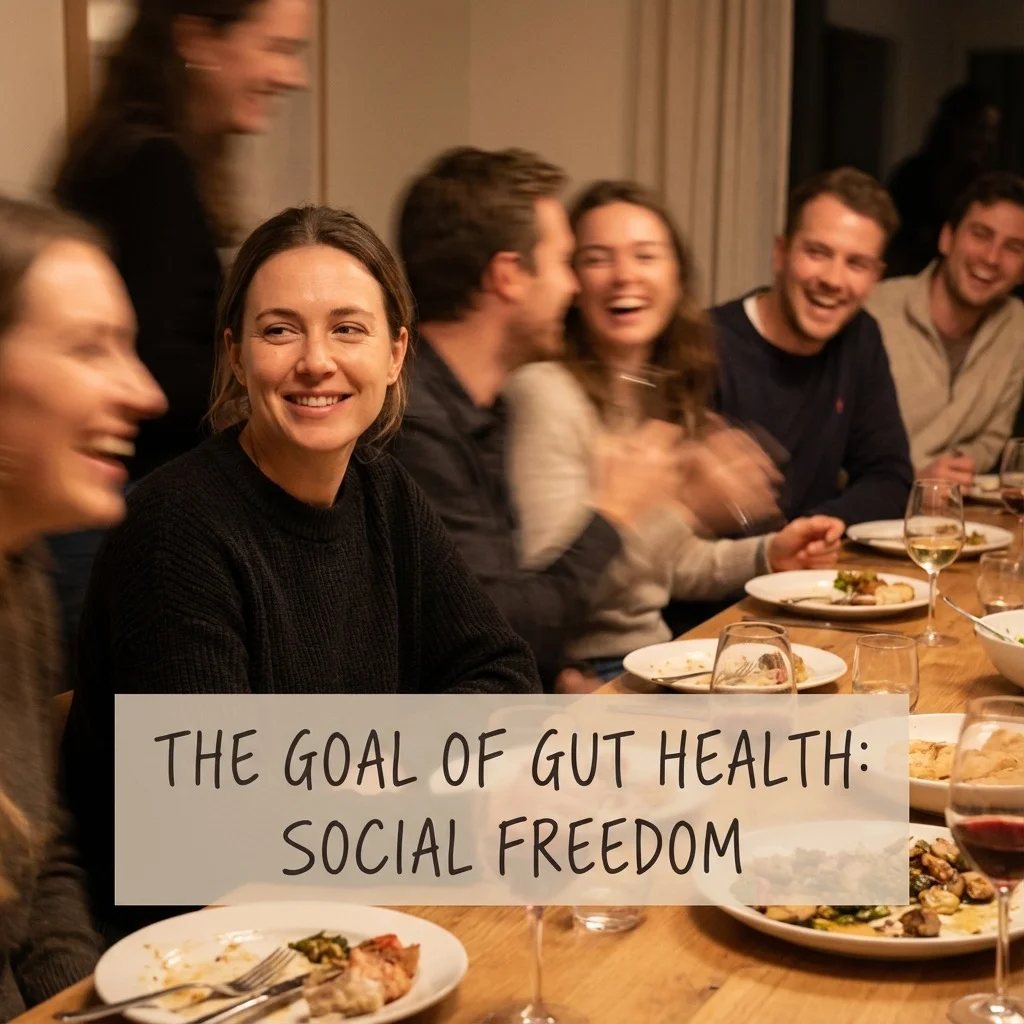
Fix Your Gut. Sharpen Your Mind.
Your gut is your second brain. We help driven Philadelphians tune their microbiome for cognitive clarity, immunity, and metabolic efficiency.

Metabolism: Beyond the Scale
A nuance-first approach to metabolic health and GLP-1s. We focus on metabolic integrity, muscle preservation, and sustainable body composition.

Burnout Is Not a Badge of Honor
Your drive should not cost you your health. We help Philadelphia executives and founders build a biological buffer against burnout.

Creatine: The Brains Backup Battery
Safe, cheap, and well-studied. Learn why creatine monohydrate is one of the most underrated brain supplements for cognitive fatigue and resilience.
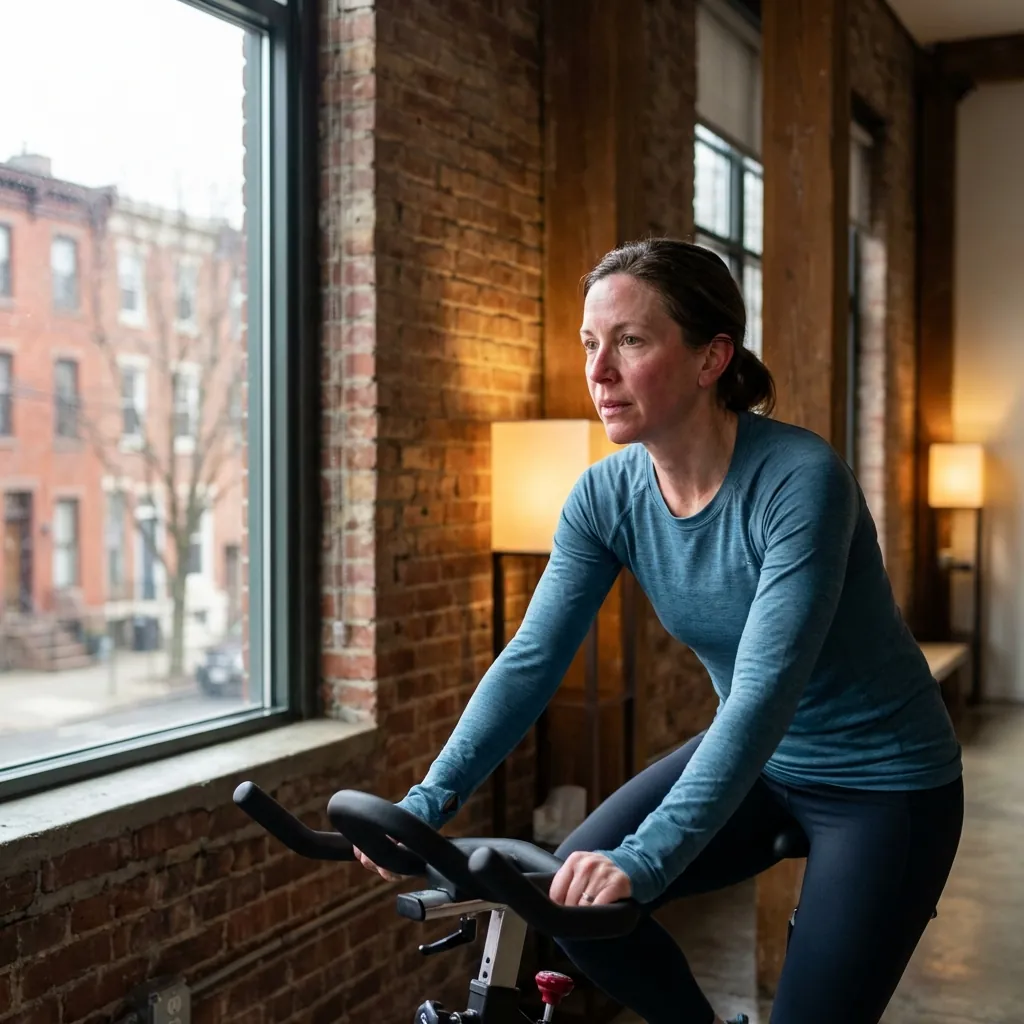
Zone 2 Training: Mitochondrial Base
Why steady-state Zone 2 training builds mitochondrial content while intervals drive respiration and VO2max. See the 3-hour weekly longevity blueprint, the 4-day insulin decay rule, and why 6+ hours of cardio raises AFib risk.

Grip Strength: The Check Engine Light for Longevity
Strong hands, longer life. Grip strength is a powerful proxy for muscle health, neuromuscular integrity, and mortality risk. Here is how to test it.
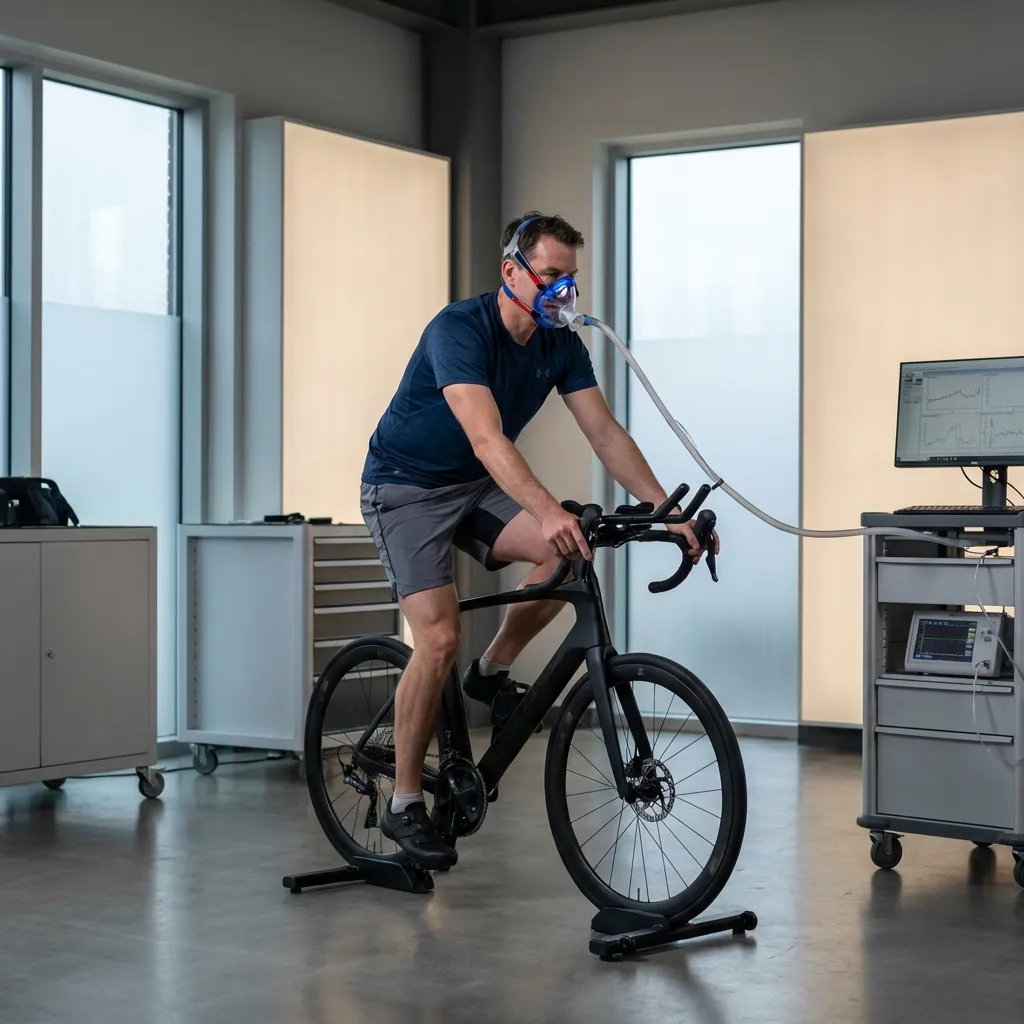
VO2 Max: The Ultimate Mortality Metric
Why VO2 Max is the strongest predictor of longevity with no upper survival ceiling, how each +1 MET lowers mortality 14%, and why Norwegian 4x4 intervals build stroke volume and VO2max 4.6-fold faster per minute than steady cardio.