
FishtownFish wrapped around the rod of AsclepiusMedicine
Philadelphia Primary Care
How It Works
What People Say
Patient reviews across 6 platforms
Articles
Symptoms
What your body is telling you
Treatments
Protocols, prescriptions, therapies
Longevity
Medicine 3.0 strategies
Heart Health & Risk
Protect your heart & vessels
Metabolism
Insulin, blood sugar, weight
Hormones
TRT, thyroid, menopause, andropause
Performance
VO2 max, muscle, sleep, gut
Playbooks
Step-by-step frameworks
About
Meet Dr. Ash
Your Physician
GERO·SPAN
Our Clinical Framework
FAQ
Common Questions
Book a Free Call
Eating for Testosterone: Myth vs. Science
Fishtown Medicine•6 min read

Eating for Testosterone: Myth vs. Science

On This Page
  • What is the foundation of andropause care?
  • How does sleep affect testosterone?
  • How should men eat to support testosterone?
  • What kind of training raises testosterone?
  • Actionable Steps in Philly
  • Key Takeaways
  • Common Questions
  • Can I raise my testosterone naturally?
  • What about supplements like Tongkat Ali or ashwagandha?
  • Is fasting good for testosterone?
  • Does alcohol really lower testosterone?
  • How much sleep do I need to protect my testosterone?
  • Will losing weight raise my testosterone?
  • What is the best diet for testosterone?
  • Should I eat carbs if I want higher testosterone?
  • Deep Questions
  • Why does sleep apnea lower testosterone?
  • What is SHBG and why does it matter for testosterone?
  • How does insulin resistance lower testosterone?
  • What is the role of vitamin D in male hormones?
  • How does cortisol compete with testosterone?
  • What is the connection between zinc and testosterone?
  • Why does Fishtown Medicine emphasize zone 2 cardio for hormonal health?
  • How does protein intake affect testosterone?
  • What is the difference between time-restricted eating and prolonged fasting?
  • How do compound lifts drive a hormonal response?
  • Should I worry about hematocrit if my lifestyle is dialed in?
  • Why does Fishtown Medicine treat lifestyle as the prerequisite for TRT?
  • Frequently Asked Questions
  • Can I raise my T naturally?
  • What about supplements like Tongkat Ali?
  • Is fasting good for testosterone?
  • Scientific References

Get a preventive doctor that knows you.

Consult Dr. Ash
TL;DR · 30-second take

Andropause nutrition focuses on the lifestyle that lets testosterone work, including sleep above seven hours, treating sleep apnea, protein and fiber-forward eating, lower alcohol, and strength training. Testosterone replacement therapy (TRT) without these foundations often fails or causes side effects.

Managing Andropause: You Cannot Out-Prescribe a Broken Foundation

TL;DR: Testosterone replacement therapy (TRT) is a powerful tool, but it works best inside a healthy system. If you sleep five hours a night, drink alcohol often, and eat mostly processed food, TRT may simply mask the underlying metabolic dysfunction. At Fishtown Medicine, we set the lifestyle plan before or alongside the prescription so therapy is safe and effective.
In my practice, I often sit down with men who want testosterone replacement because they are exhausted. They feel like they have lost their edge, and the answer seems simple: replace the hormone. When we look at the full picture, including sleep data and daily habits, we usually find a different story. The conversation reveals chronic sleep loss (often five to six hours), a diet built on convenience, and steady alcohol use to manage stress. Testosterone replacement cannot fix a broken foundation. Adding TRT on top of a system that is inflamed or sleep-deprived can raise hematocrit (blood thickness), raise blood pressure, and worsen sleep apnea. We have to earn the physiology we want.
Guidance from the Clinic "In our clinic, we look at it this way: think of testosterone as the fuel and your metabolic health as the engine. If the engine is overheating because of inflammation, insulin resistance, or lack of recovery, pouring high-octane fuel into it will not win the race. We focus on supporting the engine first, so your body actually uses the fuel."

What is the foundation of andropause care?

The foundation of andropause care is the "Triangle of Decline." Andropause is the age-related decline in male hormones, often felt as fatigue and loss of drive. Whether you eventually choose TRT or a lifestyle-first plan, we focus on three pillars first:
  1. Metabolic inflammation, often driven by insulin resistance and chronic urban stress.
  2. Cortisol dominance, the body's response to constant pressure and not enough recovery.
  3. Sarcopenia, the natural loss of muscle mass that strength training reverses.

How does sleep affect testosterone?

Sleep affects testosterone strongly. Most testosterone is produced during REM and deep sleep. When you sacrifice sleep for work, you significantly reduce your body's natural production capacity. Studies show that one week of five-hour sleep can drop testosterone by 10 to 15% in young men.
  • The apnea factor: Many men in Philadelphia have undiagnosed sleep apnea, a condition where breathing stops repeatedly during sleep, often shown as snoring or waking up tired. Treating apnea can sometimes raise natural testosterone by 100 to 200 ng/dL.
  • The strategic roadmap: We do not just say "sleep more." We investigate the quality of your rest. We may use magnesium glycinate or glycine to support deeper sleep and a more stable circadian rhythm.

How should men eat to support testosterone?

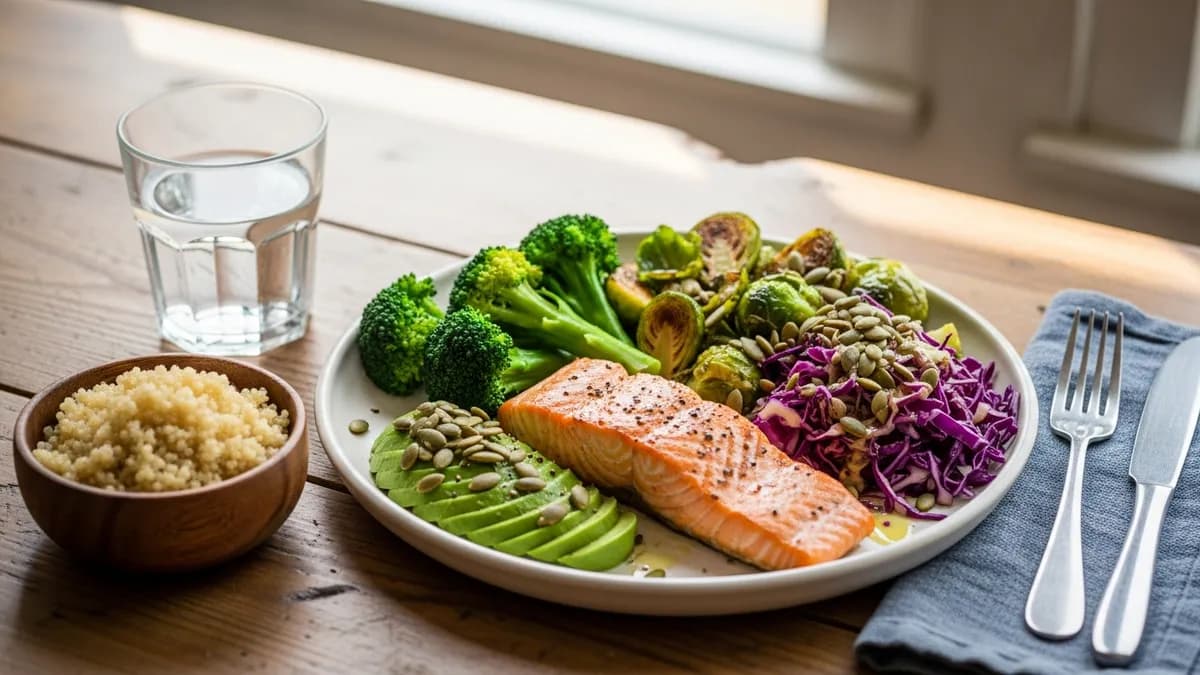
Men should eat to support testosterone by anchoring meals around protein, fiber, and quality fats while keeping insulin spikes in check. Modern urban life in a city like Philly makes "healthy eating" complex. Most patients are doing their best while juggling careers, social lives, and limited time. Restaurant-heavy weeks can quietly suppress testosterone.
  • The alcohol trade-off: Social drinking is part of the Philly fabric, but alcohol increases aromatase activity, an enzyme that converts testosterone to estrogen. We help you weigh the social value against the metabolic cost.
  • The insulin connection: Busy schedules often lead to refined carbohydrates that spike insulin, which lowers SHBG (sex hormone binding globulin) and clears testosterone faster.
  • A workable plan: We do not demand perfection. We build a high-protein, high-fiber pattern that fits your life. Cholesterol is the building block of testosterone, so we keep quality fats (eggs, avocado, complete proteins) in the plan.

What kind of training raises testosterone?

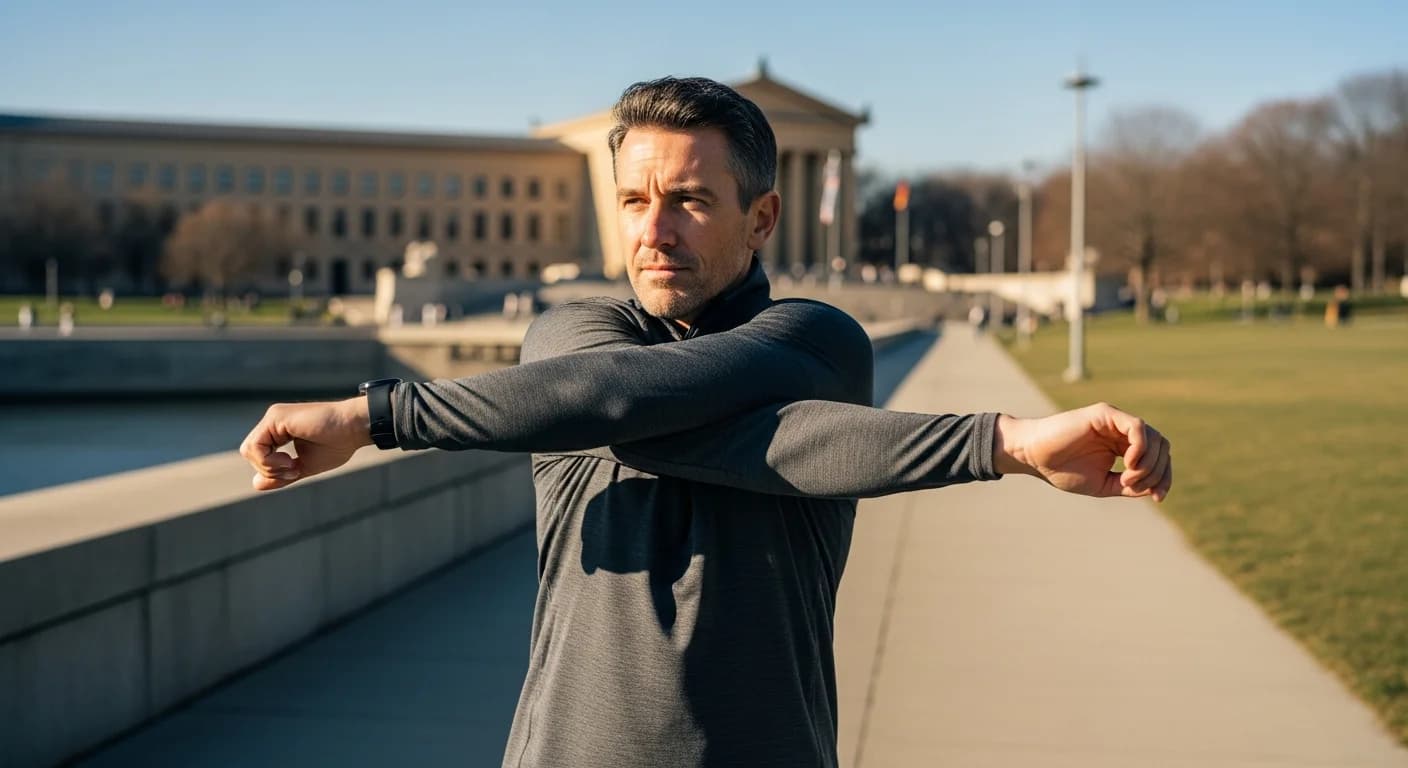
The kind of training that raises testosterone is heavy compound lifting plus regular zone 2 cardio, the moderate-effort cardio that builds mitochondria. Your body is efficient. If you do not use muscle, your body sees little reason to maintain it. You must send the signal: "I need this muscle to function."
  • Compound movements: Squats, deadlifts, presses, rows, and pull-ups recruit large muscle groups, which drives a hormonal response.
  • Zone 2 cardio: Sustained, conversational-pace cardio improves mitochondrial health, which powers the cells that produce hormones.
  • Recovery: Two to three rest days a week, plus sleep, is part of the program. Overtraining without recovery raises cortisol and lowers testosterone.

Actionable Steps in Philly

Build the foundation that lets testosterone work.
  1. Audit your sleep. Aim for seven to nine hours. Get an at-home sleep test if you snore or wake up tired.
  2. Anchor breakfast with 30 grams of protein. This stabilizes blood sugar for the day and reduces afternoon crashes.
  3. Lift heavy three days a week. Two to three compound movements per session.
  4. Add zone 2 cardio. Two to three sessions of 30 to 45 minutes at a conversational pace.
  5. Re-test labs at 8 to 12 weeks of consistent foundation work before starting any hormone therapy.

Key Takeaways

  • Sleep is non-negotiable: Rule out apnea and improve recovery before considering exogenous hormones.
  • Match carbohydrates to muscle work: Muscle acts as a glucose sink. If you are not lifting, high-carbohydrate intake feeds insulin resistance.
  • Be intentional about alcohol: For optimized hormones, alcohol works better as an occasional choice than a daily coping tool.

Related Articles:
  • Men's Hormone Health Overview
  • Sleep & Recovery
  • Muscle & VO2 Max

Scientific References

  1. Leproult R, Van Cauter E. "Effect of 1 week of sleep restriction on testosterone levels in young healthy men." JAMA. 2011;305(21):2173-2174.
  2. Grossmann M. "Testosterone and glucose metabolism in men: current concepts and controversies." Journal of Endocrinology. 2014;220(3):R37-R55.
  3. Vingren JL, et al. "Testosterone physiology in resistance exercise and training: the up-stream regulatory elements." Sports Medicine. 2010;40(12):1037-1053.
  4. Travison TG, et al. "The relationship between changes in body mass index and serum testosterone levels." Journal of Clinical Endocrinology and Metabolism. 2007;92(12):4696-4702.
Medical Disclaimer: This resource provides clinical context for educational purposes. In the world of Precision Medicine, there is no "one size fits all", the right plan must be matched to your unique lab work, physiology, and goals. Consult Dr. Ash to determine if this approach is right for you, especially if you have chronic health conditions or are taking prescription medications.
Ashvin Vijayakumar MD (Dr. Ash)

Fishtown Medicine | Hormones

2418 E York St, Philadelphia, PA 19125·(267) 360-7927·hello@fishtownmedicine.com·HSA/FSA Eligible

Book Your Warm Invitation Call

Frequently Asked Questions

Common Questions

Yes, you can raise testosterone naturally if your levels are in the 350 to 450 ng/dL range. Optimizing sleep, treating sleep apnea, correcting deficiencies (zinc, vitamin D, magnesium), losing visceral fat, and lifting weights can often add 100 to 200 ng/dL. Lifestyle is also a prerequisite for safe TRT.
Tongkat Ali and ashwagandha may support testosterone modestly by lowering SHBG or cortisol, with mild effects compared to medical therapy. We use them as optimization tools in mild cases, not as full solutions for low testosterone.
Fasting helps manage insulin and visceral fat, both of which support testosterone, but prolonged caloric restriction can signal "famine" to the body and lower testosterone. We prefer time-restricted eating (an 8 to 10 hour window) with adequate calories for recovery.
Yes, alcohol lowers testosterone, mostly by raising aromatase activity (which converts testosterone to estrogen) and disrupting sleep. Light, occasional drinking has minimal effect. Several drinks a night for years can drop testosterone meaningfully.
You need at least seven hours of sleep to protect testosterone, ideally with consistent timing. Five hours a night for one week can drop testosterone by 10 to 15% in young men. Treating sleep apnea is one of the highest-yield testosterone interventions.
Yes, losing weight can raise testosterone, especially when you lose visceral fat (the belly fat around organs). Visceral fat produces aromatase, which converts testosterone to estrogen. Strength training plus protein-forward eating preserves muscle while you lose fat.
The best diet for testosterone is high in protein (about 1 gram per pound of lean body mass), high in fiber, with quality fats and minimal ultra-processed food. Mediterranean and high-protein omnivore patterns both work. Extreme low-fat diets can lower testosterone.
You should eat carbs if you train hard, since carbs support workout recovery and lower cortisol. Match carbohydrate intake to your training load. Sedentary men with high carbohydrate intake often have insulin resistance, which lowers free testosterone.
Yes. If your levels are in the 350 to 450 range, optimizing sleep, correcting deficiencies (like zinc or vitamin D), and improving body composition can often bump you into the 550 to 600 range. If levels are very low (under 200), lifestyle alone may not be enough, but it is still a prerequisite for safe TRT.
Current data suggests Tongkat Ali may support some men by lowering SHBG or modulating cortisol, but the effects are mild compared to medical therapy. We view it as a tool for optimization, not a stand-alone solution.
Time-restricted eating (an 8 to 10 hour window) is generally good for managing insulin and supports testosterone. Prolonged caloric restriction can signal "famine" and lower testosterone. We prefer steady time-restricted eating with enough calories for recovery.

Deep-Dive Questions

Sleep apnea lowers testosterone by fragmenting sleep, reducing oxygen at night, raising cortisol, and disrupting the brain signals (LH and FSH) that drive testosterone production. CPAP (continuous positive airway pressure) treatment can raise testosterone by 100 to 200 ng/dL in many men.
SHBG (sex hormone binding globulin) is a liver-made protein that binds testosterone in the blood, controlling how much is "free" and active. Low SHBG (often from insulin resistance) means testosterone clears faster. High SHBG can leave little usable testosterone even when total levels look normal.
Insulin resistance lowers testosterone by lowering SHBG, raising aromatase activity in visceral fat, and disrupting brain-signaling hormones. Treating insulin resistance with diet, exercise, and sometimes medication often raises testosterone before any hormone therapy.
Vitamin D is a steroid pre-hormone that supports testosterone production and immune function. Most adults in Philadelphia, especially in winter, run low. We target a blood level around 50 to 70 ng/mL, often using 5,000 IU per day with food.
Cortisol competes with testosterone because both are made from a shared precursor called pregnenolone. Chronic stress, poor sleep, and overtraining shift the body toward cortisol production. Recovery practices, including sleep and zone 2 cardio, lower cortisol and free up resources for testosterone.
Zinc is required for testosterone production and for sperm health. Mild zinc deficiency can lower testosterone. Heavy training, sweating, and alcohol can deplete zinc. We test zinc and use 15 to 30 mg per day with food when needed.
Fishtown Medicine emphasizes zone 2 cardio because it builds mitochondria, the energy-producing parts of the cell, which power testosterone production and metabolic health. Zone 2 also lowers visceral fat and improves insulin sensitivity, both key to higher free testosterone.
Protein intake affects testosterone indirectly by supporting muscle growth, maintaining lean body mass, and stabilizing blood sugar. Very low-protein diets can lower testosterone over time. We aim for about 1 gram of protein per pound of lean body mass for active men.
Time-restricted eating limits eating to an 8 to 10 hour window each day with normal calorie intake. Prolonged fasting goes 24 hours or more without food. Time-restricted eating supports testosterone in most men. Prolonged or repeated long fasts can suppress it.
Compound lifts like squats and deadlifts recruit large muscle groups and trigger short-term spikes in testosterone and growth hormone. The bigger long-term benefit is muscle mass and improved insulin sensitivity, both of which support hormone health for life.
You should still monitor hematocrit (the percentage of red blood cells in your blood) if you are on testosterone therapy, even with a strong lifestyle. Testosterone stimulates red blood cell production. We check hematocrit every three to six months on TRT and adjust the dose if it climbs too high.
Fishtown Medicine treats lifestyle as the prerequisite for TRT because therapy on a poor foundation amplifies risks like high hematocrit, blood pressure spikes, and sleep apnea. Lifestyle work also raises baseline testosterone enough that some men no longer need replacement therapy.

<div class="premium-card">

Still have a question?

He answers personally. Usually within a few hours.

Related Intelligence

Men's Hormone Optimization & TRT Philadelphia

Men's Hormone Optimization & TRT Philadelphia

Stop settling for "normal." Fishtown Medicine offers precision TRT and fertility-preserving strategies (HCG, Enclomiphene) for high-performing men in Philadelphia.

Read Deep Dive
Bioidentical Hormones (BHRT) Safety Strategy

Bioidentical Hormones (BHRT) Safety Strategy

Hormone optimization can be life-changing, but it carries real risks. We offer a cardiologist-grade safety strategy for Bioidentical Hormone Replacement.

Read Deep Dive
Male Fertility on TRT & HCG | Maintaining Fertility | Philadelphia

Male Fertility on TRT & HCG | Maintaining Fertility | Philadelphia

TRT does not have to mean infertility. Dr. Ash uses HCG and Enclomiphene strategies to protect testicular function and sperm count while optimizing testosterone.

Read Deep Dive

Talk it through with Dr. Ash.

If anything you read here raised a question, this is a free 20-minute Warm Invitation Call. Pick a time and we’ll work through it together.

HSA/FSA eligible
No initiation or cancellation fees
No copays

Loading scheduler...

Having trouble with the scheduler? Book directly on Dr. Ash’s calendar

FishtownFish wrapped around the rod of AsclepiusMedicine
Philadelphia Primary Care
2418 E York St, Philadelphia, PA 19125Home visits in Greater Philadelphia

Serving Fishtown · Art Museum · Bella Vista · Callowhill · Center City · Center City West · Chestnut Hill · East Kensington · Fairmount · Fitler Square · Graduate Hospital · Logan Square · Manayunk · Northern Liberties · Old City · Olde Richmond · Poplar · Port Richmond · Queen Village · Rittenhouse · Roxborough · Society Hill · Southwark

Explore by topic

Women’s Health
  • Perimenopause
  • Menopause 3.0
  • PCOS
  • Fertility
Men’s Health
  • TRT Therapy
  • TRT Safety
  • TRT vs Enclomiphene
  • Low Libido
Metabolic
  • Medical Weight Loss
  • Ozempic vs Metformin
  • Fasting Protocols
  • Visceral Fat
Cardiovascular
  • apoB & Heart Health
  • apoB vs LDL
  • Lp(a) Cholesterol
  • ED & Heart Risk
Longevity + Performance
  • Healthspan vs Lifespan
  • Biological Age
  • VO2 Max
  • Zone 2 Training
Supplements
  • Magnesium
  • Creatine
  • Omega-3
  • Foundational Stack

Content is for educational purposes only and does not constitute medical advice.

TermsPrivacyScope of PracticeClinical Independence