
FishtownFish wrapped around the rod of AsclepiusMedicine
Philadelphia Primary Care
How It Works
What People Say
Patient reviews across 6 platforms
Pricing & Membership
Transparent membership pricing
Articles
Symptoms
What your body is telling you
Treatments
Protocols, prescriptions, therapies
Longevity
Medicine 3.0 strategies
Heart Health & Risk
Protect your heart & vessels
Metabolism
Insulin, blood sugar, weight
Hormones
TRT, thyroid, menopause, andropause
Performance
VO2 max, muscle, sleep, gut
Playbooks
Step-by-step frameworks
Dispensary
Dr. Ash's professional-grade supplement picks
About
Meet Dr. Ash
Your Physician
GER·O·SPAN
Our Clinical Framework
FAQ
Common Questions
Book a Free Call
VO2 Max: The Ultimate Mortality Metric
Fishtown Medicine•6 min read
4.96 (124)

VO2 Max: The Ultimate Mortality Metric

Ashvin Vijayakumar MD

Medically Reviewed

Ashvin Vijayakumar MD•Updated May 31, 2026
On This Page
  • The Engine Size of Your Life
  • What Does VO2 Max Actually Measure?
  • Why Does VO2 Max Predict How Long You Will Live?
  • How Do You Increase VO2 Max in Real Life?
  • The Norwegian 4x4 Strategy
  • How Do You Test VO2 Max Accurately?
  • Guidance from the Clinic
  • Actionable Steps for Philadelphians
  • Common Questions
  • Is the Norwegian 4x4 better than standard HIIT?
  • Can I do VO2 Max training while rucking?
  • Is high-intensity training dangerous for my heart?
  • What is a good VO2 Max for my age?
  • How long does it take to raise VO2 Max?
  • Can I raise VO2 Max with cycling instead of running?
  • Does strength training improve VO2 Max?
  • Will losing weight improve my VO2 Max number?
  • Deep Questions
  • Why does VO2 Max decline with age?
  • How is VO2 Max related to insulin sensitivity?
  • Can VO2 Max predict cognitive decline and dementia?
  • What is the difference between VO2 Max and lactate threshold?
  • How accurate is the VO2 Max number on my Apple Watch or Garmin?
  • Why do some elite athletes have VO2 Max numbers above 80?
  • How does altitude affect VO2 Max training?
  • Does sauna use improve VO2 Max?
  • How do nicotine, alcohol, and cannabis affect VO2 Max?
  • Is there a genetic limit to VO2 Max?
  • Can VO2 Max recover after a long illness or detraining?
  • How does VO2 Max interact with body composition and DEXA results?
  • Scientific References

Get a preventive doctor that knows you.

Consult Dr. Ash
TL;DR · 30-second take

VO2 Max is the maximum oxygen your body can use during hard exercise. It is the strongest single predictor of how long you will live, beating cholesterol and blood pressure. You raise it with high-intensity intervals (like the Norwegian 4x4) layered on a Zone 2 base.

VO2 Max: The Ultimate Mortality Metric

The Engine Size of Your Life

VO2 Max is not just an athletes statistic. It is the single most powerful predictor of all-cause mortality, outranking cholesterol, blood pressure, and smoking status.3 It is the size of your physiological engine. If I could only measure one biomarker to predict when you will die, it would not be your cholesterol (ApoB). It would not even be your blood pressure. It would be your VO2 Max. VO2 Max is the maximum amount of oxygen your body can use during intense exercise. It measures the efficiency of your lungs, heart, blood vessels, and mitochondria (the small power plants inside your cells) all at once. In Medicine 3.0, we treat VO2 Max as a key vital sign, not a niche athlete number.

What Does VO2 Max Actually Measure?

VO2 Max measures how many milliliters of oxygen your body can use per kilogram of body weight per minute (mL/kg/min). A higher number means your heart pumps more blood per beat, your lungs move more air, and your muscle cells extract more oxygen from each red blood cell. In simple terms, VO2 Max is your aerobic ceiling. The taller the ceiling, the more room you have to live, work, and play without running out of breath.

Why Does VO2 Max Predict How Long You Will Live?

A massive 2018 study of 122,007 patients showed that "Elite" cardiorespiratory fitness reduced the risk of death by about 80% compared to "Low" fitness.1 Dr. Wael Jaber and colleagues at the Cleveland Clinic ran the analysis and the pattern was clear.
  • The Risk: Improving from "Low" fitness (bottom 25%) to "Below Average" fitness reduced mortality risk more than quitting smoking.
  • The Elite Advantage: Those in the "Elite" category (top 2.5% for age) had an 80% lower mortality risk than the Low group.
  • No Upper Limit: The study found no point where being "too fit" became dangerous. Fitter was always better.
This puts VO2 Max in a league of its own. It is the most potent "drug" we have, and it has zero refill cost.
Fish wrapped around the rod of Asclepius

Let's get healthier

Get Dr. Ash's health checklist.

Bi-weekly clinical insights on the markers that matter most - what to track, what to ask your doctor, and what 'normal' actually means. Trusted by 1,248+ Philadelphians.

Evidence-informed clinical signal from our practice

How Do You Increase VO2 Max in Real Life?

You cannot raise VO2 Max with walking or casual jogging alone. Your heart needs intervals that force it to adapt. The most evidence-based method is a polarized plan that pairs easy aerobic work with short bouts of near-maximum effort.
  1. Zone 2 Base (about 80% of your weekly time): Builds your mitochondrial base, which is the efficiency layer.
  2. Zone 5 Intervals (about 20% of your weekly time): Builds cardiac output, which is the horsepower layer.

The Norwegian 4x4 Strategy

The most studied protocol for raising VO2 Max is the Norwegian 4x42:
  • Warm up: 10 minutes of easy jogging or cycling.
  • Interval: 4 minutes at the highest intensity you can sustain (target heart rate 90 to 95% of your max). You should be working hard enough that you cannot speak in full sentences.
  • Recovery: 3 minutes of light jogging or walking.
  • Repeat: Do the 4-minute interval 4 times total.
  • Frequency: Once per week is maintenance. Twice per week is growth.

How Do You Test VO2 Max Accurately?

Performance Medicine

Stop guessing at recovery and energy. Get the data behind your performance.

Book Your Performance Review
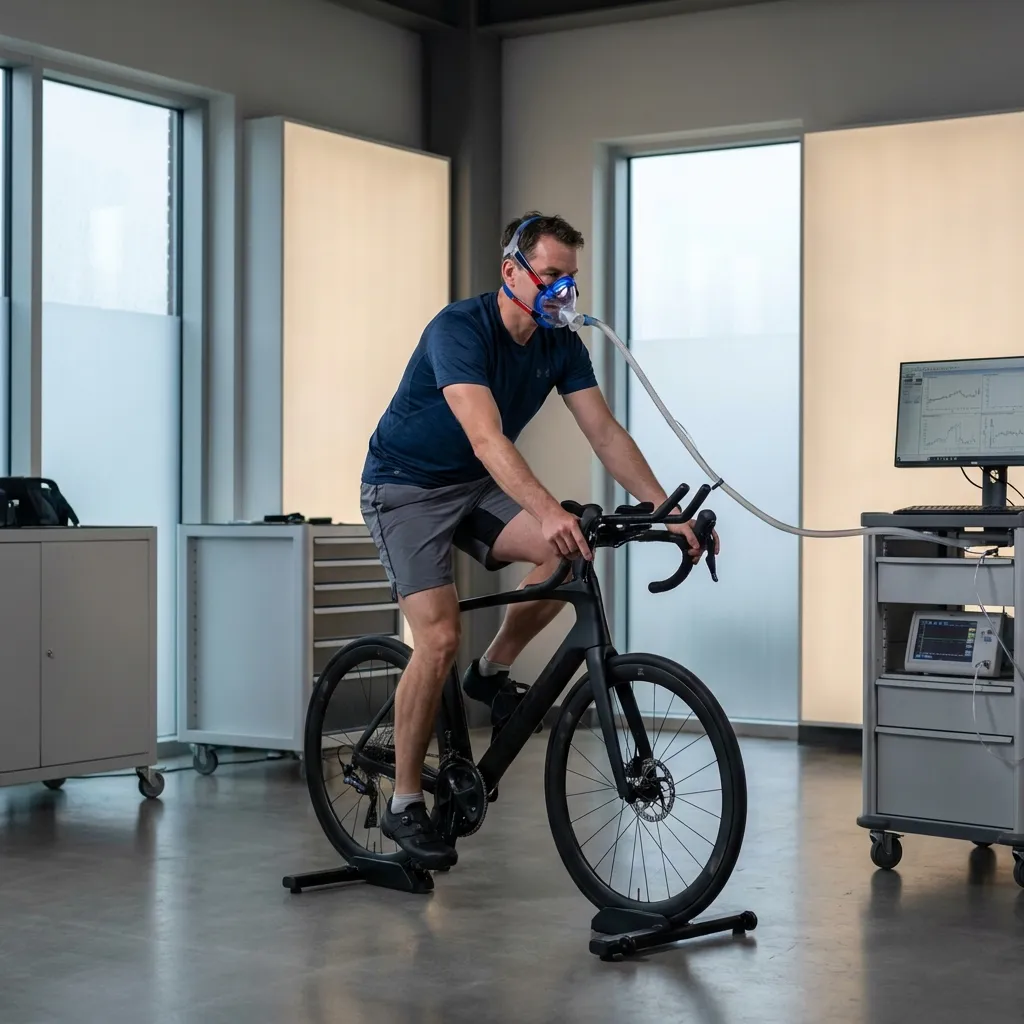
Your Apple Watch is decent at estimating VO2 Max, but a metabolic cart is the gold standard. We test, we do not guess.
MethodAccuracyProsCons
Apple Watch / GarminAbout plus or minus 15%Free, continuous trackingEstimates from pace and heart rate, not actual oxygen. Often overestimates.
Cooper Test (12-minute run)About plus or minus 10%Free, can be done outsideRequires maximal effort running, which is hard on joints.
Metabolic Cart (e.g., VO2 Master)About 99% (gold standard)Direct measurement of oxygen and carbon dioxide. Sets precise heart rate zones.Expensive, requires a lab visit.
At Fishtown Medicine, we refer Proactive Tier members for clinical VO2 Max testing so we can set heart rate zones from real data instead of a default formula.

Guidance from the Clinic

Dr. Ash
"You need to be the fittest 80-year-old you know just to be an average 80-year-old. Fitness is a buffer against the natural decline of aging."
Why We Start Early: At Fishtown Medicine, we have seen what happens when low cardiorespiratory fitness goes unmanaged for decades. Our approach is informed by years of treating the complications that develop when these early signals are ignored. That experience shapes our urgency. We catch it now so you never have to live with those consequences.
Patients often tell me, "Dr. Ash, I am not an athlete." My response is simple: "You are an athlete of life." Aging costs you about 10% of your VO2 Max per decade.
  • If you are "Average" at 40, you will be "Frail" at 70. You may struggle to climb stairs or pick up your grandkids.
  • If you are "Elite" at 40, you will be "Average" at 70. You will likely still be hiking and living independently.
Training now is buying freedom for later.

Actionable Steps for Philadelphians

Start simple. If you cannot run, bike. If you cannot bike, row.
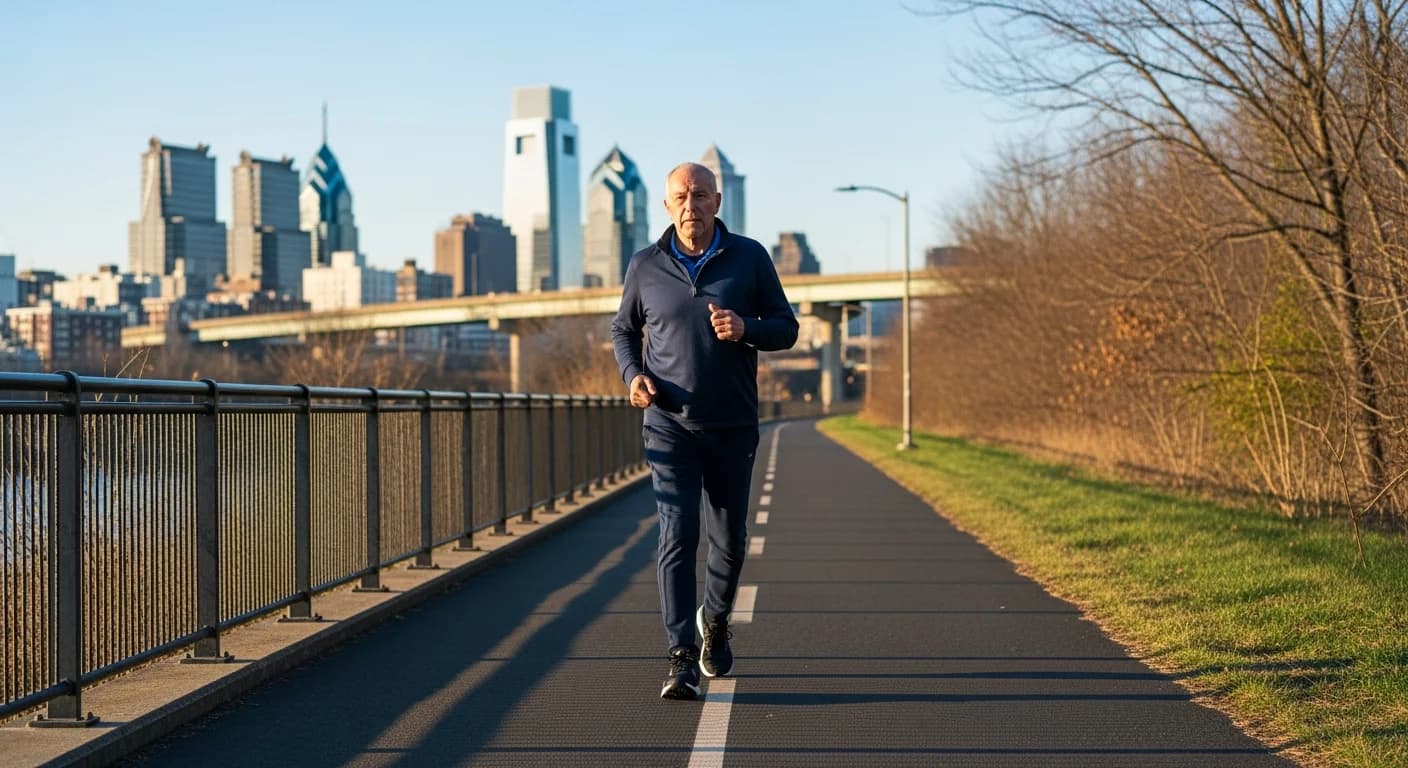
  1. Find a Hill: The steep blocks in Manayunk or the Art Museum steps are perfect terrain for 4x4 intervals.
  2. Track It: Use your watch as a baseline, then watch the trend over months instead of obsessing over the absolute number.
  3. Join a Club: Groups like Philly Runners or November Project make the high-intensity work bearable through community.
Expand your engine. Book Your Warm Invitation Call Here

Scientific References

  1. Mandsager K, et al. Association of Cardiorespiratory Fitness With Long-term Mortality Among Adults Undergoing Exercise Treadmill Testing. JAMA Netw Open. 2018;1(6):e183605. The definitive study on fitness and mortality.
  2. Helgerud J, et al. Aerobic high-intensity intervals improve VO2max more than moderate training. Med Sci Sports Exerc. 2007;39(4):665-671. Establishes the superiority of 4x4 intervals.
  3. Strasser B, Burtscher M. Survival of the fittest: VO2max, a key predictor of longevity. Front Biosci (Landmark Ed). 2018;23(8):1505-1516. Reviews the mechanisms of oxygen uptake and aging.
Medical Disclaimer: This resource provides clinical context for educational purposes. In the world of Precision Medicine, there is no "one size fits all." The right training and testing plan must be matched to your unique lab work, physiology, and performance goals. Consult Dr. Ash to determine if this approach is right for you, especially if you have chronic health conditions or are taking prescription medications.
Ashvin Vijayakumar MD (Dr. Ash)

Fishtown Medicine | Performance

2418 E York St, Philadelphia, PA 19125·(267) 360-7927·hello@fishtownmedicine.com·HSA/FSA Eligible

Frequently Asked Questions

Common Questions

Yes, for raising VO2 Max specifically. Standard HIIT (for example, Tabata at 20 seconds on and 10 seconds off) is often too short to push you all the way to your VO2 Max. The 4-minute interval keeps your heart at maximum stroke volume long enough to trigger adaptation.
Yes, but you have to ruck fast and steep. Most rucking sits in Zone 2. To hit Zone 5 with a rucksack, you need a serious incline (think Manayunk Wall, not Penn Treaty Park).
If you have known heart disease, ask your doctor first. For most healthy adults, the heart is a muscle that needs to be challenged. The Mandsager study showed that high fitness actually protected people with heart disease the most.
A good VO2 Max varies by age and sex. For a 40-year-old man, "above average" is roughly 42 to 46 mL/kg/min and "elite" is above 53. For a 40-year-old woman, "above average" is roughly 35 to 39 and "elite" is above 45. We aim to keep you in the top 25% for your age.
Most people see a measurable rise in VO2 Max within 8 to 12 weeks of consistent intervals (twice per week) plus a Zone 2 base. Bigger gains of 10 to 15% typically take 6 months of steady work.
Yes. Cycling, rowing, swimming, and cross-country skiing all raise VO2 Max effectively. Pick the one your joints tolerate best so you stay consistent.
Strength training alone does not raise VO2 Max much, but it preserves muscle mass and supports the muscles you need for hard intervals. Think of it as a partner to cardio, not a replacement.
Sometimes. VO2 Max is reported per kilogram of body weight, so losing fat mass can raise the number even without fitness gains. The healthier path is to build the engine first and let body composition follow.

Deep-Dive Questions

VO2 Max declines with age because maximum heart rate drops, stroke volume falls, mitochondria become less efficient, and muscle mass shrinks. Each piece of the oxygen delivery chain weakens slightly. Training slows every step of that decline.
Higher VO2 Max correlates with better insulin sensitivity because mitochondrial density and fat oxidation both improve with aerobic training. Patients with strong VO2 Max numbers almost always have lower fasting insulin and better glucose control.
Yes. Higher cardiorespiratory fitness in midlife is associated with lower risk of dementia and better cognitive function in later decades. Better blood flow to the brain and lower vascular inflammation are two likely reasons.
VO2 Max is your maximum oxygen use rate. Lactate threshold is the intensity at which lactate (a byproduct of hard work) begins to accumulate faster than your body can clear it. You can have a high VO2 Max but a low lactate threshold, which is why endurance training matters too.
Wearable VO2 Max estimates are usually within 10 to 15% of a lab test for most people. They tend to overestimate fitness in lighter, faster runners and underestimate in heavier or slower athletes. Use the trend, not the exact value.
Elite endurance athletes can reach VO2 Max values of 80 to 90 mL/kg/min because of large genetic gifts (heart size, muscle fiber composition) plus decades of high-volume training. For non-athletes, the goal is the top 25% for your age, not a Tour de France number.
Training at altitude (above about 6,000 feet) raises your red blood cell count over time, which can boost VO2 Max when you return to sea level. Short trips to Denver or Boulder will not move your numbers. Sustained altitude exposure or "live high, train low" plans are the methods that work.
Yes, modestly. Heat stress from regular sauna use (about 20 minutes at 170 degrees Fahrenheit, 4 times per week) raises plasma volume and can improve VO2 Max by a few percentage points over 4 to 8 weeks. It is a useful add-on, not a replacement for intervals.
Nicotine constricts blood vessels and can lower performance acutely. Alcohol blunts mitochondrial recovery for 24 to 48 hours after drinking. Heavy cannabis use is associated with lower exercise tolerance in some studies. We talk about these trade-offs without judgment so you can decide what is worth it.
Yes. About 50% of your VO2 Max ceiling is genetic, based on factors like heart size, muscle fiber type, and capillary density. The other 50% is trainable. Even with average genetics, hitting the top 25% for your age is achievable with consistent intervals and Zone 2 work.
Yes. After a few weeks off, VO2 Max can drop 5 to 15%. Most of that returns within 4 to 8 weeks of restarting structured training. After a long illness like COVID-19, the rebuild is slower and should be guided by a physician.
A higher VO2 Max paired with strong lean mass (measured on a DEXA scan) is the ideal combination for healthspan. Muscle is the metabolic sink that burns oxygen during intervals, so investing in both lean mass and VO2 Max compounds the longevity benefit.

Still have a question?

He answers personally. Usually within a few hours.

Related Intelligence

Grip Strength Testing Philadelphia | A Longevity Biomarker Guide

Grip Strength Testing Philadelphia | A Longevity Biomarker Guide

Strong hands, longer life. Grip strength is a powerful proxy for muscle health, neuromuscular integrity, and mortality risk. Here is how to test it.

Read Deep Dive
Longevity Strategies | Fishtown Medicine

Longevity Strategies | Fishtown Medicine

Strategies to extend your healthspan and optimize lifespan in Philadelphia.

Read Deep Dive
Microbiome & Gut-Brain Performance | Philadelphia

Microbiome & Gut-Brain Performance | Philadelphia

Your gut is your second brain. We help Philadelphia high-performers tune their microbiome for cognitive clarity, immunity, and metabolic efficiency.

Read Deep Dive

Talk it through with Dr. Ash.

If anything you read here raised a question, this is a free 20-minute Warm Invitation Call. Pick a time and we’ll work through it together.

HSA/FSA eligible
No initiation or cancellation fees
No copays

Loading scheduler...

Having trouble with the scheduler? Book directly on Dr. Ash’s calendar

FishtownFish wrapped around the rod of AsclepiusMedicine
Philadelphia Primary Care
2418 E York St, Philadelphia, PA 19125Home visits in Greater PhiladelphiaPricing & membership

Serving Fishtown · Art Museum · Bella Vista · Callowhill · Center City · Center City West · Chestnut Hill · East Kensington · Fairmount · Fitler Square · Graduate Hospital · Logan Square · Manayunk · Northern Liberties · Old City · Olde Richmond · Poplar · Port Richmond · Queen Village · Rittenhouse · Roxborough · Society Hill · Southwark

Explore by topic

Women’s Health
  • Perimenopause
  • Menopause 3.0
  • PCOS
  • Fertility
Men’s Health
  • TRT Therapy
  • TRT Safety
  • TRT vs Enclomiphene
  • Low Libido
Metabolic
  • Medical Weight Loss
  • Ozempic vs Metformin
  • Fasting Protocols
  • Visceral Fat
Cardiovascular
  • apoB & Heart Health
  • apoB vs LDL
  • Lp(a) Cholesterol
  • ED & Heart Risk
Longevity + Performance
  • Healthspan vs Lifespan
  • Biological Age
  • VO2 Max
  • Zone 2 Training
Supplements
  • Magnesium
  • Creatine
  • Omega-3
  • Foundational Stack
  • Shop the Dispensary
Care in Philadelphia +
Direct Primary Care in Philadelphia, PAConcierge Medicine in Philadelphia, PAConcierge vs DPC in Philadelphia, PALongevity Medicine in Philadelphia, PAPreventive Care in Philadelphia, PAExecutive Physical in Philadelphia, PAAnnual Physical in Philadelphia, PAHealthspan Optimization in Philadelphia, PAFunctional Medicine in Philadelphia, PASame-Day Sick Visits in Philadelphia, PATestosterone Replacement Therapy in Philadelphia, PAPerimenopause Care in Philadelphia, PAMenopause Care in Philadelphia, PAThyroid Treatment in Philadelphia, PAPCOS Care in Philadelphia, PAGLP-1 Weight Loss in Philadelphia, PAMetabolic Health in Philadelphia, PAHormone Optimization in Philadelphia, PAAdvanced Lipid Testing in Philadelphia, PAVO2 Max Testing in Philadelphia, PADEXA Scan in Philadelphia, PACGM in Philadelphia, PALong COVID Care in Philadelphia, PAChronic Fatigue Treatment in Philadelphia, PAPOTS Treatment in Philadelphia, PAMCAS Treatment in Philadelphia, PALyme Disease Care in Philadelphia, PABrain Fog Treatment in Philadelphia, PASleep Disorders Treatment in Philadelphia, PAStrep Throat Treatment in Philadelphia, PAUTI Treatment in Philadelphia, PASinus Infection Treatment in Philadelphia, PASTI Testing in Philadelphia, PATravel Medicine in Philadelphia, PAPre-Op Clearance in Philadelphia, PASports Club Medicine in Philadelphia, PA

Content is for educational purposes only and does not constitute medical advice.

TermsPrivacyScope of PracticeClinical Independence