
FishtownFish wrapped around the rod of AsclepiusMedicine
Philadelphia Primary Care
Articles
Digital Health Literacy
Cut through health misinformation
Symptoms
What your body is telling you
Treatments
Protocols, prescriptions, therapies
Longevity
Medicine 3.0 strategies
Heart Health & Risk
Protect your heart & vessels
Metabolism
Insulin, blood sugar, weight
Hormones
TRT, thyroid, menopause, andropause
Performance
VO2 max, muscle, sleep, gut
Playbooks
Step-by-step frameworks
About
Meet Dr. Ash
Your Physician
GER·O·SPAN
Our Clinical Framework
What People Say
124 patient reviews across 6 platforms
Pricing & Membership
Transparent membership pricing
FAQ
Common Questions
Get Started
The Two Best Predictors of Longevity: VO2 Max and Muscle Mass
Fishtown Medicine•8 min read
4.96 (124)

The Two Best Predictors of Longevity: VO2 Max and Muscle Mass

Ashvin Vijayakumar MD

Medically Reviewed

Ashvin Vijayakumar MD•Updated January 19, 2026
On This Page
  • Table of Contents
  • Why VO2 Max and Muscle Win
  • VO2 Max: The Engine for a Long Life
  • The Mortality Data
  • Why "Average" Is Not the Goal
  • The Zone 2 and Zone 5 Prescription
  • Zone 2: The Foundation
  • Zone 5: The Peak
  • Muscle as the Organ of Longevity
  • Sarcopenia: The Quiet Loss
  • The Centenarian Decathlon
  • Guidance from the Clinic
  • Actionable Steps in Philly
  • ✦Key Takeaways
  • Common Questions
  • What is a "good" VO2 max for my age?
  • How often should I get a DEXA scan?
  • Can a DEXA scan diagnose osteoporosis?
  • What is the difference between Zone 2 and Zone 3?
  • Is walking enough exercise for longevity?
  • How long until I see VO2 max gains?
  • Do I need a fancy lab for VO2 max testing?
  • Are GLP-1 medications going to make me lose muscle?
  • What is appendicular lean mass and why is it important?
  • Is it ever too late to start training for longevity?
  • Deep Questions
  • Why is VO2 max such a strong predictor of mortality?
  • How does mitochondrial density affect health?
  • Why is "polarized training" more effective than moderate training?
  • What are myokines, and why do they matter?
  • How does grip strength fit into the longevity picture?
  • Why is sarcopenia called a "silent" problem?
  • How does aging affect VO2 max?
  • What is rucking, and is it effective?
  • Can wearables really measure my training zones?
  • How does Fishtown Medicine integrate exercise prescriptions?
  • What is the role of recovery in this plan?
  • How does nutrition fit into VO2 max and muscle goals?
  • Why focus on the "Centenarian Decathlon"?
  • Is there a role for medications in longevity performance?
  • What is the cost-benefit of doing this work?
  • Scientific References

Get a preventive doctor that knows you.

Consult Dr. Ash
TL;DR30-second take

Two of the strongest predictors of long, functional life are your cardiorespiratory fitness, measured as VO2 max, and your muscle mass, measured by DEXA scan. Building both with structured training (Zone 2 and Zone 5) and resistance work in your 30s, 40s, and 50s creates a buffer that protects independence into your 80s and beyond.

Table of Contents

  • Why VO2 Max and Muscle Win
  • VO2 Max: The Engine for a Long Life
  • The Zone 2 and Zone 5 Prescription
  • Muscle as the Organ of Longevity
  • The Centenarian Decathlon
  • Common Questions
  • Deep Questions

Why VO2 Max and Muscle Win

Most patients arrive in the standard medical model, which asks, "How long can we delay death?" That is defense. It is necessary, but on its own it is not enough.

Medicine 3.0 plays offense. It asks, "How well can you live, and for how long?" That question is about healthspan, the years you live with strong physical and cognitive function.

When researchers analyze millions of patient years of data, two metrics stand out above the rest as predictors of how long and how well people live:

  1. VO2 max, your cardiorespiratory fitness.
  2. Skeletal muscle mass, particularly on the arms and legs.

Cholesterol, blood pressure, and many other measures matter too. They are just less powerful as solo predictors than VO2 max and muscle.

I used to think health meant "not being sick." Years in the hospital changed that. I watched 50-year-olds die of heart attacks they never saw coming. I watched 70-year-olds become prisoners in their own bodies because they could not get out of a chair. That experience is why I refuse to settle for "average" fitness or muscle as a goal for my patients.

VO2 Max: The Engine for a Long Life

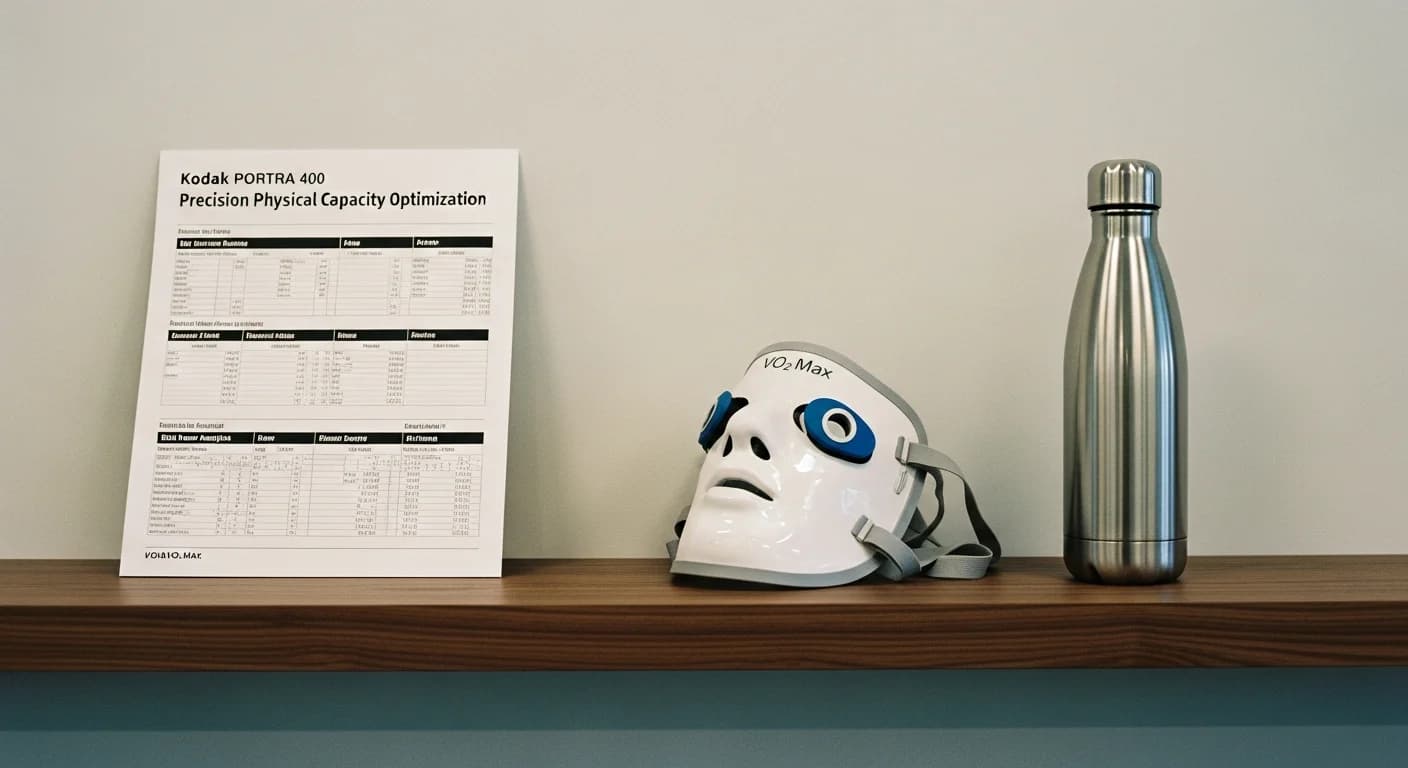
VO2 max is the maximum amount of oxygen your body can take in, deliver, and use during peak effort. Ideally, we measure it in a lab with a mask on while you push hard on a treadmill or bike.

The Mortality Data

Comparing the bottom quarter of VO2 max to the top 2.5% (often called "elite"), elite individuals have roughly a 5-fold lower rate of all-cause mortality.

  • That effect size is larger than the gap between current smokers and non-smokers.
  • It is larger than the gap between people with type 2 diabetes and those without.

In other words, fitness is one of the most powerful "drugs" we have, and it is one we cannot put in a pill.

Why "Average" Is Not the Goal

Standard medicine is satisfied if you are "average for your age." Look at the average 75-year-old American. Many cannot climb 3 flights of stairs without stopping. Many cannot lift a grandchild off the floor.

If you want to be capable at 90, you need to be in the "above average" or even "elite" range at 50. Aging will pull your fitness down over time. We need a buffer.

The Zone 2 and Zone 5 Prescription

You cannot just "go for a run" and expect VO2 max to climb to elite levels. We prescribe training in zones.

Zone 2: The Foundation

  • What it is: steady-state cardio at an intensity where you can hold a conversation, but it feels slightly strained.
  • What it does: trains the slow-twitch (Type 1) muscle fibers that burn fat and lactate, and increases mitochondrial density and efficiency.
  • The dose: usually 3 to 4 hours per week, broken into 30 to 60 minute sessions.

Zone 5: The Peak

  • What it is: short bursts of all-out effort, often 4 by 4 minute intervals at near-maximum heart rate, with rest in between.
  • What it does: forces the heart to pump its maximum stroke volume and stretches the upper end of your aerobic capacity.
  • The dose: 1 session per week is enough for most people.

The "grey zone" between Zone 2 and Zone 5 is the no-man's land where many people train. It is hard enough to leave you tired but not hard enough to drive peak adaptation. Polarized training, mostly easy and a little very hard, gets better results.

Muscle as the Organ of Longevity

We used to think of muscle simply as something that moves bones. Modern science treats muscle as an endocrine organ, releasing signaling molecules called myokines that talk to the brain, liver, and immune system to regulate metabolism.

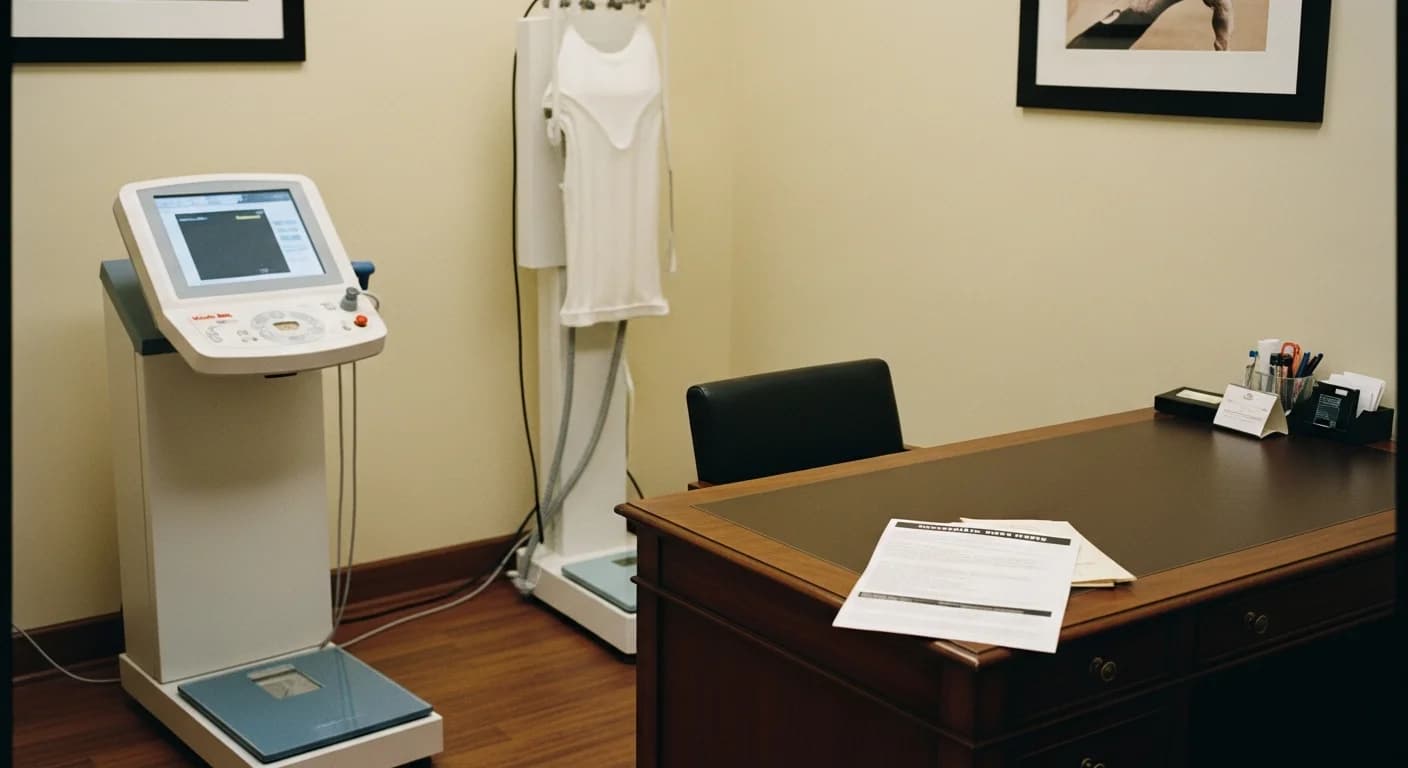
We use a DEXA scan (dual-energy X-ray absorptiometry) for every longevity patient. We track:

  1. Appendicular lean mass (ALM): the muscle on your arms and legs, indexed to height.
  2. Visceral adipose tissue (VAT): the inflammatory fat wrapped around your organs.

Fishtown Medicine

A 90-minute conversation with Dr. Ash. A written plan you can actually follow.

Start your intake

Sarcopenia: The Quiet Loss

Sarcopenia is the age-related loss of muscle mass. It begins slowly in the 30s and accelerates after 50. By 80, many people have lost a large fraction of the muscle they had at 30. Once frailty sets in, a fall can be life-changing. A broken hip in an 80-year-old carries a high mortality risk.

The only reliable way to prevent that future is to build a "muscle 401(k)" now. Resistance training 2 to 3 times a week, with progressive overload and adequate protein, is the core deposit.

The Centenarian Decathlon

Most physicals ask what medications you take. We ask a different question:

"What do you want to be able to do when you are 90?"

This idea, sometimes called the Centenarian Decathlon, comes from longevity-focused medicine and is well described in Peter Attia's work. Pick 10 specific physical tasks you want to be able to do in your last decade of life. Examples:

  • Pick up a 30-pound child off the floor.
  • Walk up 3 flights of stairs with 10 pounds of groceries.
  • Get up off the floor using only one hand for support.
  • Lift a 20-pound suitcase into an overhead bin.

To do these tasks at 90, you need to be able to do them with much heavier loads at 50, because we will lose strength and aerobic capacity over the decades. We reverse-engineer your training plan from those 10 goals.

Guidance from the Clinic

Dr. Ash
"Exercise is the most powerful medicine I prescribe, and like any drug, the dose matters. Walking is necessary movement, but it is not enough on its own to slow the aging process. You have to be willing to be a little breathless."

A common conversation:

"Dr. Ash, I hate running. Do I really have to do this?"

My answer is: absolutely not. The best exercise is the one you will actually do. If you hate running, try rucking (walking with a weighted pack). If you hate the gym, try rowing, cycling, or hiking. The goal is not to make you a runner. The goal is to build the chassis that carries you to 90.

I treat exercise with the same precision as I treat a statin or insulin.

  • Drug: Zone 2 cardio.
  • Dose: 45 minutes, 3 to 4 times a week.
  • Plus: 1 Zone 5 session per week and 2 to 3 strength sessions a week.

If I could put the benefits of high VO2 max and strong muscle into a pill, it would be the most valuable pharmaceutical in history. We cannot. You have to do the work. My job is to make sure you are not wasting your sweat.

Actionable Steps in Philly

Stop guessing with a bathroom scale. Start measuring biological function.

  1. Test your VO2 max: we coordinate testing with local performance labs.
  2. Get a DEXA scan: know your appendicular lean mass and visceral fat. The scale cannot tell you either.
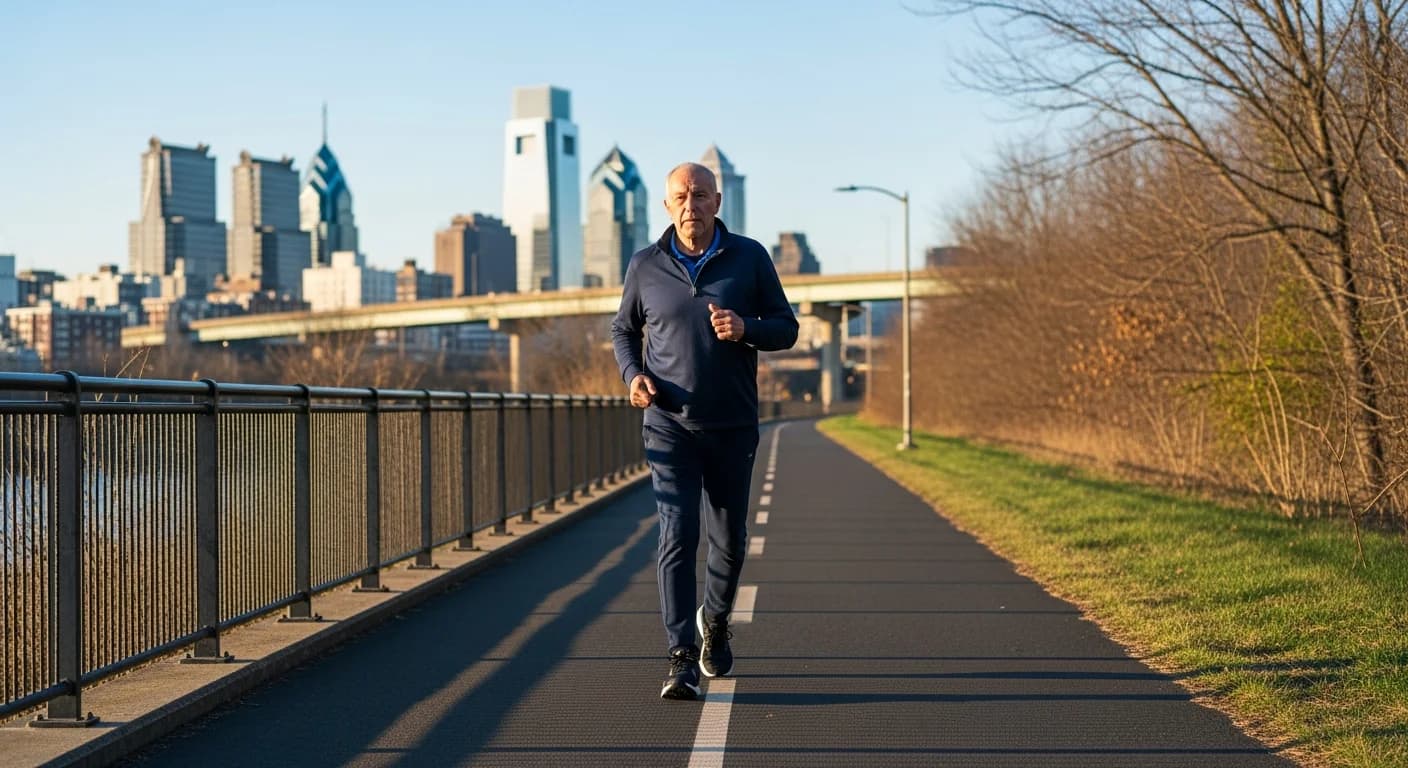
  3. Train Zone 2 three times a week: 45 minute sessions where you can talk but only barely.
  4. Add one Zone 5 interval session: 4 by 4 minutes near max heart rate, with 4 minutes recovery.
  5. Lift 2 to 3 times a week: focus on compound movements like squats, deadlifts, presses, and rows.

We integrate your Apple Watch, Whoop, or Oura data into the plan, so we can see how your training time is actually distributed.

Book your Warm Invitation Call

✦

Key Takeaways

  1. VO2 max and muscle mass are the two strongest predictors of healthy aging.
  2. Average is not the goal. Aim for the elite range for someone 10 years younger than you.
  3. Polarized training works. About 80% easy (Zone 2), 20% hard (Zone 5).
  4. Muscle is medicine. It protects against falls, frailty, and metabolic disease.
  5. Plan for the Centenarian Decathlon. Train today for the tasks you want to do at 90.

Scientific References

  1. Mandsager K, et al. Association of cardiorespiratory fitness with long-term mortality among adults undergoing exercise treadmill testing. JAMA Netw Open. 2018;1(6):e183605.
  2. Srikanthan P, Karlamangla AS. Muscle mass index as a predictor of longevity in older adults. Am J Med. 2014;127(6):547-553.
  3. Laddu DR, et al. Physical activity and all-cause mortality: what is the dose-response relation? Med Sci Sports Exerc. 2016.
  4. Attia P. Outlive: The Science and Art of Longevity. Harmony/Rodale; 2023.

Medical Disclaimer: This resource provides clinical context for educational purposes. In the world of Precision Medicine, there is no "one size fits all", the right treatment plan must be matched to your unique lab work, physiology, and goals. Consult Dr. Ash to determine if this approach is right for you, particularly if you have chronic health conditions or are taking prescription medications.
Ashvin Vijayakumar MD (Dr. Ash)

Fishtown Medicine | Articles

2418 E York St, Philadelphia, PA 19125·(267) 360-7927·hello@fishtownmedicine.com·HSA/FSA Eligible

Frequently Asked Questions

Common Questions

A "good" VO2 max varies by sex and age. For men aged 40 to 49, an elite VO2 max is roughly above 53 mL/kg/min, and average is around 39. For women in the same age band, elite is above about 45 and average around 32. We aim to put patients in the elite range for someone 10 years younger than they are.
Most adults should get a DEXA scan once a year to track trends in muscle mass, visceral fat, and bone density. Patients in active body recomposition phases, particularly on GLP-1 medications, may benefit from a DEXA every 6 months to confirm they are losing fat and protecting muscle.
Yes, a DEXA scan is the gold standard for measuring bone mineral density and diagnosing osteopenia and osteoporosis. It generates a T-score that compares your bone density to a young adult reference. This is particularly important for postmenopausal women, men over 70, and anyone with risk factors for fracture.
The difference between Zone 2 and Zone 3 is intensity. Zone 2 is steady, conversational effort that is sustainable for hours and builds mitochondrial efficiency. Zone 3 is moderate-hard effort that feels productive but is too hard to recover from easily and not hard enough to drive top-end adaptation. Most casual runners spend too much time in Zone 3 and miss the benefits of both ends.
Walking is necessary but usually not sufficient on its own for full longevity benefits. Daily walking improves cardiovascular health, mood, and metabolic function. To raise VO2 max meaningfully and protect muscle, most adults also need a weekly hard interval session and 2 to 3 strength sessions per week.
Most people see meaningful VO2 max gains within 8 to 12 weeks of consistent Zone 2 and Zone 5 training. Beginners often see 10 to 20% improvement in the first 3 months. Experienced trainers see slower but real progress with smart programming and recovery.
You do not strictly need a lab to estimate VO2 max, since wearables now offer reasonable estimates. A formal VO2 max test in a lab gives a more accurate baseline and reveals heart rate zones unique to you. For patients building a serious longevity plan, a baseline lab test is worth it.
GLP-1 medications can lead to muscle loss along with fat loss if patients do not eat enough protein or train. With high-protein meals (around 0.7 to 1.0 grams of protein per pound of goal weight) and consistent strength training, the loss can be tilted heavily toward fat. DEXA monitoring lets us confirm what is actually happening.
Appendicular lean mass (ALM) is the muscle on your arms and legs measured by DEXA. It is important because it is the muscle that protects you from falls, supports daily function, and acts as a glucose sink for blood sugar. Tracking ALM over time, particularly adjusted for height, gives an early warning if you are slowly losing muscle.
It is never too late to start training for longevity. Patients in their 60s, 70s, and 80s have shown meaningful gains in VO2 max, strength, and bone density from carefully designed programs. The plan looks different from one for a 30-year-old, but the rewards in independence, mood, and resilience are real at any age.

Deep-Dive Questions

VO2 max is such a strong predictor of mortality because it integrates the function of multiple critical systems: heart, lungs, blood, and muscles. A high VO2 max means each of those systems is working well together. Low VO2 max often reflects underlying disease in any one of them, which is why moving from low to above-average fitness is associated with such large mortality benefits.
Mitochondria are the energy-producing structures inside cells. Higher mitochondrial density and quality, built through Zone 2 training, mean more efficient fuel use, better lactate clearance, and better protection from metabolic disease. This is one reason endurance training has health benefits well beyond cardiovascular fitness.
Polarized training, with most volume at low intensity and a small share at very high intensity, tends to produce better adaptations than mostly moderate training. The easy work builds mitochondrial efficiency and recovery capacity. The very hard work pushes the upper limits of cardiac output and oxygen use. Moderate work mostly causes fatigue without driving either adaptation strongly.
Myokines are signaling molecules released by muscle during contraction. They affect inflammation, insulin sensitivity, brain function, fat metabolism, and immune health. They are part of why muscle is now considered an endocrine organ. Building and using muscle is one of the few ways to dose yourself with the right mix of these signals every day.
Grip strength is a simple, fast measurement that correlates strongly with overall muscle health and predicts mortality and disability. Lower grip strength in midlife is associated with higher rates of falls and earlier death. We sometimes use grip strength as a quick check on overall function, particularly in older adults.
Sarcopenia is called silent because muscle loss happens slowly, often without obvious symptoms, until function drops noticeably. Most people only notice once they cannot stand from a chair without using their hands or struggle to lift something they used to lift easily. By then, years of unintentional muscle loss have accumulated, which is why we measure ALM proactively.
VO2 max naturally declines with age, typically by about 1% per year after midlife in untrained individuals. Trained adults can slow this decline significantly. The shape of your decline curve, set in your 30s and 40s, often determines whether you are still functional in your 80s.
Rucking is walking with a weighted backpack. It combines aerobic work and load-bearing strength stimulation. For people who do not enjoy running, rucking offers many of the same benefits with lower joint impact and added muscular stimulus, particularly for the posterior chain and core. Done consistently, it builds a strong base.
Wearables can offer useful estimates of training zones using heart rate, with some helping by tracking HRV and recovery. Estimates are good enough for most people most of the time. For more precise zones, particularly Zone 2 and lactate thresholds, a lab test or field test like a 30-minute time trial gives a sharper picture.
We integrate exercise prescriptions into routine care by treating training like a medication: defined dose, frequency, and route. We coordinate VO2 max testing, DEXA scans, and labs, and we adjust plans based on changes in performance, body composition, and life. We also adjust around injuries and life events rather than abandoning the plan when something gets in the way.
Recovery is essential to a longevity training plan. Sleep, nutrition, hydration, and stress management determine how well you adapt to training. Pushing hard without recovery leads to plateaus, injury, and burnout. We watch HRV, sleep duration, resting heart rate, and subjective measures to keep the dose calibrated.
Nutrition fits in by providing the building blocks (protein), the fuel (carbs and fat), and the micronutrients to support training and recovery. Most adults benefit from 0.7 to 1.0 grams of protein per pound of goal body weight, spread across meals. Adequate carbs around hard sessions support performance, particularly as VO2 max climbs.
Focusing on the Centenarian Decathlon makes the long-term goal concrete. Rather than vague "stay active" advice, you have specific tasks you want to be able to do at 85 or 90, like climbing stairs with groceries or playing with grandchildren. Reverse-engineering training from those tasks creates real, measurable targets for today.
Medications can play a supporting role in longevity performance. Statins, ApoB-lowering drugs, and metformin can improve cardiovascular and metabolic health. GLP-1 medications can help when visceral fat or insulin resistance are major issues. None of these replace VO2 max or muscle. They support the work, not substitute for it.
The cost-benefit of this work tilts strongly toward doing it. The time investment, usually 4 to 6 hours of training a week, plus periodic testing, is small compared with the potential gain of 10 or more functional years and a meaningful drop in chronic disease risk. Few interventions in medicine offer that scale of return.

Ready when you are

Start your intake

Dr. Ash reads every intake himself, and answers questions personally - usually within a few hours.

Related Intelligence

Performance Physical Philadelphia: 4 Tests That Predict How You Age

Performance Physical Philadelphia: 4 Tests That Predict How You Age

A performance physical measures how well you are aging: VO2 max, grip strength, mobility, and body composition - the 4 tests that predict healthspan.

Read Deep Dive
Healthspan vs Lifespan: Why Living Longer Is Not Enough | Philadelphia

Healthspan vs Lifespan: Why Living Longer Is Not Enough | Philadelphia

Americans live to about 78 but spend the last 12 years sick and dependent. A Philadelphia primary care practice on why healthspan is the real metric.

Read Deep Dive
Body Composition Optimization Philadelphia | HAES Medicine 3.0

Body Composition Optimization Philadelphia | HAES Medicine 3.0

Move beyond the scale. We focus on muscle mass and metabolic health using DEXA scans, in a HAES-aligned, Medicine 3.0 practice in Philadelphia.

Read Deep Dive

New patients

Talk it through with Dr. Ash.

If anything you read here raised a question, start with a short intake - your story in your own words. Dr. Ash reads every one personally, and you can text or email us anytime.

HSA/FSA eligible
No initiation or cancellation fees
No copays
Start your intake →
FishtownFish wrapped around the rod of AsclepiusMedicine
Philadelphia Primary Care
2418 E York St, Philadelphia, PA 19125Primary care in PhiladelphiaHome visits in Greater PhiladelphiaPricing & MembershipGER·O·SPAN: our clinical frameworkDigital Health Literacy

Serving Fishtown · Northern Liberties · East Kensington · Olde Richmond · Port Richmond · Old City · Callowhill · Poplar · Center City · Center City West · Art Museum · Bella Vista · Chestnut Hill · Fairmount · Fitler Square · Graduate Hospital · Logan Square · Manayunk · Queen Village · Rittenhouse · Roxborough · Society Hill · Southwark · Bryn Mawr, PA · Gladwyne, PA · Villanova, PA · Wayne, PA · Cherry Hill, NJ · Haddonfield, NJ · Medford, NJ · Moorestown, NJ · Voorhees, NJ

Explore by topic

Women’s Health
  • Perimenopause
  • Menopause 3.0
  • PCOS
  • Fertility
Men’s Health
  • Testosterone (TRT)
  • Sleep Apnea & Low T
  • Andropause
  • Low Libido
Metabolic
  • Medical Weight Loss
  • Ozempic vs Metformin
  • Fasting Protocols
  • Visceral Fat
Cardiovascular
  • apoB & Heart Health
  • apoB vs LDL
  • Lp(a) Cholesterol
  • ED & Heart Risk
Longevity + Performance
  • Healthspan vs Lifespan
  • Biological Age
  • VO2 Max
  • Zone 2 Training
Supplements
  • Magnesium
  • Creatine
  • Omega-3
  • Foundational Stack
  • Supplement Guides
Care in Philadelphia +
Direct Primary Care in Philadelphia, PAConcierge Medicine in Philadelphia, PAConcierge vs DPC in Philadelphia, PALongevity Medicine in Philadelphia, PAPreventive Care in Philadelphia, PAExecutive Physical in Philadelphia, PAAnnual Physical in Philadelphia, PAHealthspan Optimization in Philadelphia, PAFunctional Medicine in Philadelphia, PASame-Day Sick Visits in Philadelphia, PATestosterone Replacement Therapy in Philadelphia, PAPerimenopause Care in Philadelphia, PAMenopause Care in Philadelphia, PAThyroid Treatment in Philadelphia, PAPCOS Care in Philadelphia, PAGLP-1 Weight Loss in Philadelphia, PAMetabolic Health in Philadelphia, PAHormone Optimization in Philadelphia, PAAdvanced Lipid Testing in Philadelphia, PAVO2 Max Testing in Philadelphia, PADEXA Scan in Philadelphia, PACGM in Philadelphia, PALong COVID Care in Philadelphia, PAChronic Fatigue Treatment in Philadelphia, PAPOTS Treatment in Philadelphia, PAMCAS Treatment in Philadelphia, PALyme Disease Care in Philadelphia, PABrain Fog Treatment in Philadelphia, PASleep Disorders Treatment in Philadelphia, PAStrep Throat Treatment in Philadelphia, PAUTI Treatment in Philadelphia, PASinus Infection Treatment in Philadelphia, PASTI Testing in Philadelphia, PATravel Medicine in Philadelphia, PAPre-Op Clearance in Philadelphia, PASports Club Medicine in Philadelphia, PA

Made it this far? You’re already most of the way there. let’s get started → Dr. Ash reads every word personally.

Content is for educational purposes only and does not constitute medical advice.

TermsPrivacyScope of PracticeClinical Independence