
Yes, sleep apnea can lower testosterone even in fit, lean men. When the airway collapses during sleep, oxygen drops, cortisol rises, and deep sleep is interrupted. Deep sleep is when most testosterone is made. Treating apnea often raises natural testosterone within three months.
Quick Answer: Yes, sleep apnea can lower testosterone, even if you are lean and fit. When the airway collapses during sleep, oxygen drops, cortisol rises, and deep sleep gets cut short. Deep sleep is when most of your testosterone is made. Treating sleep apnea often raises natural testosterone within 3 months.
Why Do Fit Men Get Sleep Apnea?
Many people think sleep apnea only happens in men with extra weight. That idea is wrong, and it causes a lot of fit men to miss the diagnosis.
At Fishtown Medicine, I often diagnose obstructive sleep apnea (OSA), a condition where the airway closes during sleep, in marathon runners, lifters, and cyclists with very low body fat. The cause here is rarely weight. It is usually anatomy.
If you have a thick, muscular neck from training, or a jaw set a little farther back than average, your airway is set up to collapse when your throat muscles relax at night. Over time, this drives down testosterone, keeps cortisol high, and stalls your recovery numbers no matter how well you train and eat.
How Does Sleep Apnea Lower Testosterone?
Sleep apnea is a strong hormone suppressor. Sleep apnea lowers testosterone through a 4-step physiology loop:
- Hypoxia (low oxygen): When breathing pauses, blood oxygen drops.
- Sympathetic overdrive: The brain reads low oxygen as a threat. It releases cortisol and adrenaline to wake you up just enough to reopen the airway.
- Disrupted sleep architecture: Testosterone is made mostly during deep sleep (the N3 and REM stages). If you wake up 30 times an hour, you may never reach those stages.
- The data: Men with severe, untreated apnea often have testosterone levels that look like men 10 to 15 years older.
How Do We Diagnose It Without a Sleep Lab?
We try to remove friction from the diagnosis. In most cases, you do not need an overnight stay at a sleep lab.
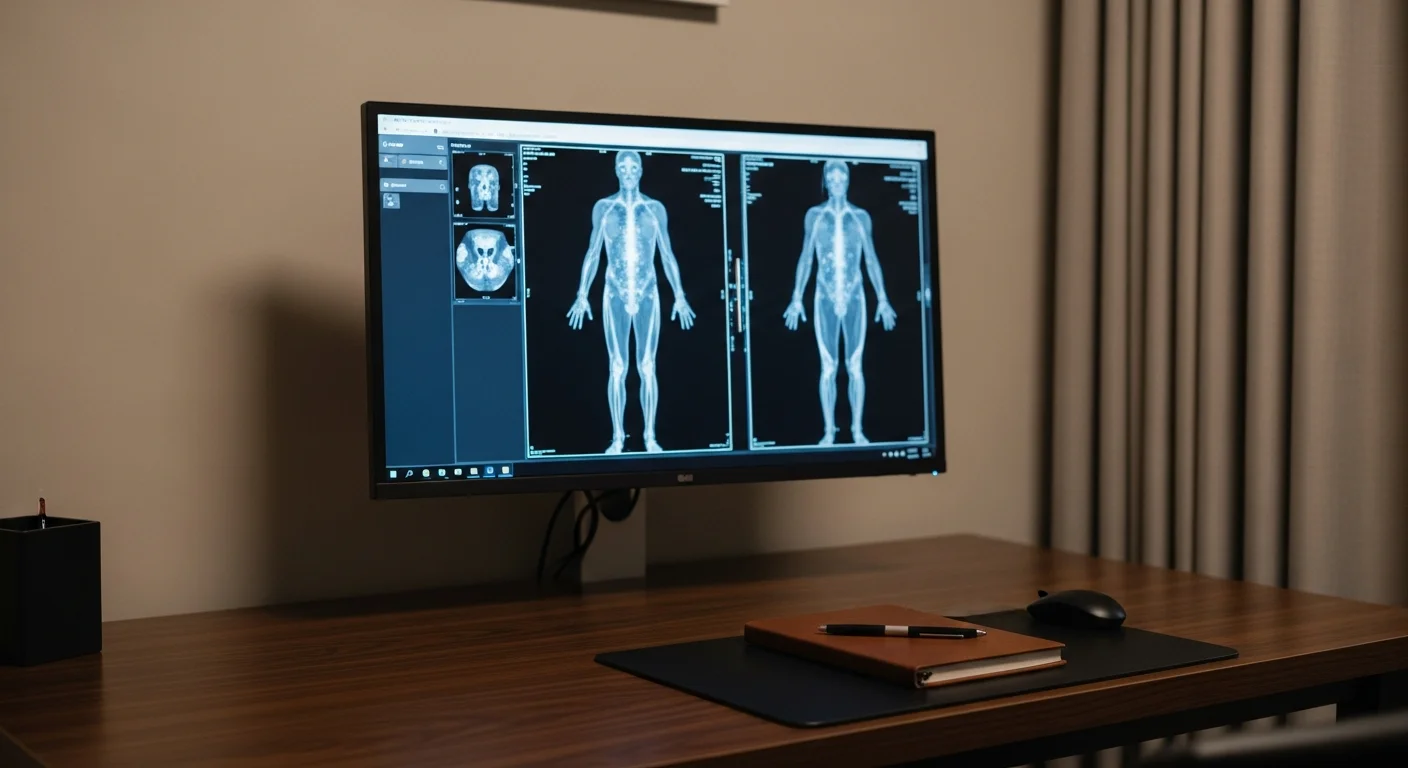
- Home sleep test (WatchPAT): We use a clinical-grade home device. You wear a small sensor on your finger for 1 night, in your own bed. It tracks oxygen, heart rate, and breathing events.
- Your AHI score (Apnea-Hypopnea Index, or events per hour):
- Less than 5: normal range.
- 5 to 15: mild (often managed with an oral appliance or sleeping on your side).
- Greater than 30: severe (usually needs CPAP, a small machine that gently keeps the airway open with air pressure).
- The hormone payoff: Restoring oxygen at night often produces a noticeable bounce in natural testosterone within 3 months. Many patients no longer need TRT (testosterone replacement therapy) once their airway is fixed.
What Are the Treatment Options Beyond CPAP?
Many patients put off care because they fear the old "Darth Vader" mask. The technology has changed a lot.
| Treatment | Best For | Fishtown Verdict |
|---|---|---|
| CPAP (ResMed 11) | Severe apnea. | The gold standard. Modern masks are quiet, small, and connect to your phone. |
| Mandibular advancement device (custom mouthguard) | Mild to moderate apnea. | Moves the lower jaw forward to open the airway. Great for frequent travelers. |
| Mouth tape | Mild snoring or mouth breathing. | Supports nasal breathing and nitric oxide. A low-risk option for mild cases. |
| ExciteOSA | Tongue muscle tone. | A daytime device that uses gentle electrical stimulation to tone the tongue and airway muscles. |
Guidance From the Clinic

Why we start early: I have seen what happens when sleep apnea goes untreated for decades. The cardiovascular strain and the metabolic resistance become much harder to unwind. We catch it now so we can protect your long-term healthspan.
> "Dr. Ash, my partner says I don't snore."
You do not have to snore to have sleep apnea. "Silent apnea" happens when the airway closes without the vibration that causes snoring. If you wake up with a dry mouth, morning headaches, or you need a lot of caffeine just to feel normal, it is worth checking. Treating the underlying airway issue often gives the biggest single boost to daily energy and to the Medicine 3.0 framework.
Actionable Steps in Philly
Audit the airway.
- Measure your neck: If your collar size is over 17 inches, even if it is muscle, your risk of airway collapse is higher.
- Order a WatchPAT: We can arrange this. It gives clinical data without a hospital stay.
- Test nasal breathing: Try a thin paper tape (like 3M Micropore) across the lips at night to encourage nasal breathing. If it triggers panic or feels impossible, you likely have a nasal blockage we need to address.
Prioritize recovery.
Book Your Warm Invitation Call Here
Scientific References
- Santamaria JD, et al. "The effect of CPAP treatment on testosterone levels in men with obstructive sleep apnea." Sleep. 2012.
- Peppard PE, et al. "Longitudinal study of moderate weight change and sleep-disordered breathing." JAMA. 2000.
- Punjabi NM. "The epidemiology of adult obstructive sleep apnea." Proc Am Thorac Soc. 2008.
- Leproult R, Van Cauter E. "Effect of 1 week of sleep restriction on testosterone levels in young healthy men." JAMA. 2011.
Related at Fishtown Medicine
- Testosterone Replacement Therapy (TRT) - the clinical TRT approach with safety monitoring
- TRT Safety - the cardiovascular and prostate safety data
- TRT vs Enclomiphene - the choice between exogenous testosterone and endogenous stimulation
- What Testosterone Does and Doesn't Do - realistic expectations on TRT outcomes
- Men's Hormone Health - the full men's hormone landscape
- Male Fertility - the male fertility workup and treatment options
- Andropause Nutrition - the dietary inputs to men's hormonal health

Fishtown Medicine | Hormones
Frequently Asked Questions
Common Questions
Deep-Dive Questions
Ready when you are
The chat is our AI assistant, answering from our published guides. To talk it through with Dr. Ash himself, start with the intake.