
FishtownFish wrapped around the rod of AsclepiusMedicine
Philadelphia Primary Care
How It Works
What People Say
Patient reviews across 6 platforms
Articles
Symptoms
What your body is telling you
Treatments
Protocols, prescriptions, therapies
Longevity
Medicine 3.0 strategies
Heart Health & Risk
Protect your heart & vessels
Metabolism
Insulin, blood sugar, weight
Hormones
TRT, thyroid, menopause, andropause
Performance
VO2 max, muscle, sleep, gut
Playbooks
Step-by-step frameworks
About
Meet Dr. Ash
Your Physician
GERO·SPAN
Our Clinical Framework
FAQ
Common Questions
Book a Free Call
Early Cancer Detection
Fishtown Medicine•8 min read
4.96 (124)

Early Cancer Detection

Ashvin Vijayakumar MD

Medically Reviewed

Ashvin Vijayakumar MD•Updated May 23, 2026
On This Page
  • Table of Contents
  • Why Standard Screening Is Not Enough
  • Whole-Body MRI: High-Resolution Imaging
  • The Galleri Liquid Biopsy: High-Sensitivity Blood Testing
  • The Galleri Test
  • Why Family History Alone Is Not Enough
  • The Metabolic Link to Cancer
  • The Fishtown Medicine Screening Stack
  • Managing "Incidentalomas"
  • The Screening Stack at a Glance
  • Guidance from the Clinic
  • Actionable Steps in Philly
  • Key Takeaways
  • Common Questions
  • How much does a whole-body MRI cost in Philadelphia?
  • Is the Galleri test covered by insurance?
  • Does a clear whole-body MRI mean I am cancer-free?
  • What is circulating tumor DNA?
  • Should I worry about overdiagnosis?
  • How often should I get a whole-body MRI?
  • Does Galleri replace colonoscopy?
  • Can metabolic health really lower cancer risk?
  • Are these advanced tests right for everyone?
  • Where can I get a whole-body MRI near Philadelphia?
  • Deep Questions
  • Why are some cancers easier to screen for than others?
  • How accurate is the Galleri test?
  • What is "stage 0" cancer?
  • How does insulin promote cancer growth?
  • Is alcohol really a "Group 1 carcinogen"?
  • How does visceral fat raise cancer risk?
  • What is the role of genetics in early cancer detection?
  • How do incidental findings get managed at Fishtown Medicine?
  • Do whole-body MRIs cause anxiety?
  • What is the future of cancer screening?
  • Why do you focus so much on metabolic health for cancer?
  • Can low-dose CT lung screening still play a role?
  • How does Fishtown Medicine help patients act on a positive screen?
  • Are these tests appropriate during pregnancy?
  • What is the cost-benefit calculation?
  • Scientific References

Get a preventive doctor that knows you.

Consult Dr. Ash
TL;DR · 30-second take

Early cancer detection means catching cancer when it is small, often before symptoms. Standard screening covers a few common cancers. A more complete plan adds whole-body MRI, the Galleri liquid biopsy blood test, dermatology mapping, and metabolic optimization, so we can find threats earlier and keep you out of late-stage care.

Early Cancer Detection: A Medicine 3.0 Approach in Philadelphia

TL;DR: Most cancers are still found in stage 3 or 4, when treatment is harder and outcomes are worse. A modern early detection plan layers high-resolution imaging like whole-body MRI with high-sensitivity blood tests like the Galleri liquid biopsy, on top of standard screening. We use this combination to give patients earlier answers and more options.

Table of Contents

  • Why Standard Screening Is Not Enough
  • Whole-Body MRI: High-Resolution Imaging
  • The Galleri Liquid Biopsy: High-Sensitivity Blood Testing
  • Why Family History Alone Is Not Enough
  • The Fishtown Medicine Screening Stack
  • Common Questions
  • Deep Questions

Why Standard Screening Is Not Enough

Most cancer is still detected in stage 3 or 4, when someone feels a lump, coughs up blood, or loses weight without trying. By that point, treatment is harder, costlier, and the odds of cure drop sharply. Standard care, sometimes called Medicine 2.0, follows a "wait and see" approach. We screen for a few cancers (breast, colon, cervical, sometimes lung and prostate) at specific ages and largely ignore the rest until symptoms appear. That leaves several lethal cancers, including pancreatic, ovarian, liver, and brain cancers, off the routine screening list. In our practice at Fishtown Medicine, we work toward earlier detection. The goal is to catch cancer when it is a small, local issue with many treatment options, not a systemic disease.

Whole-Body MRI: High-Resolution Imaging

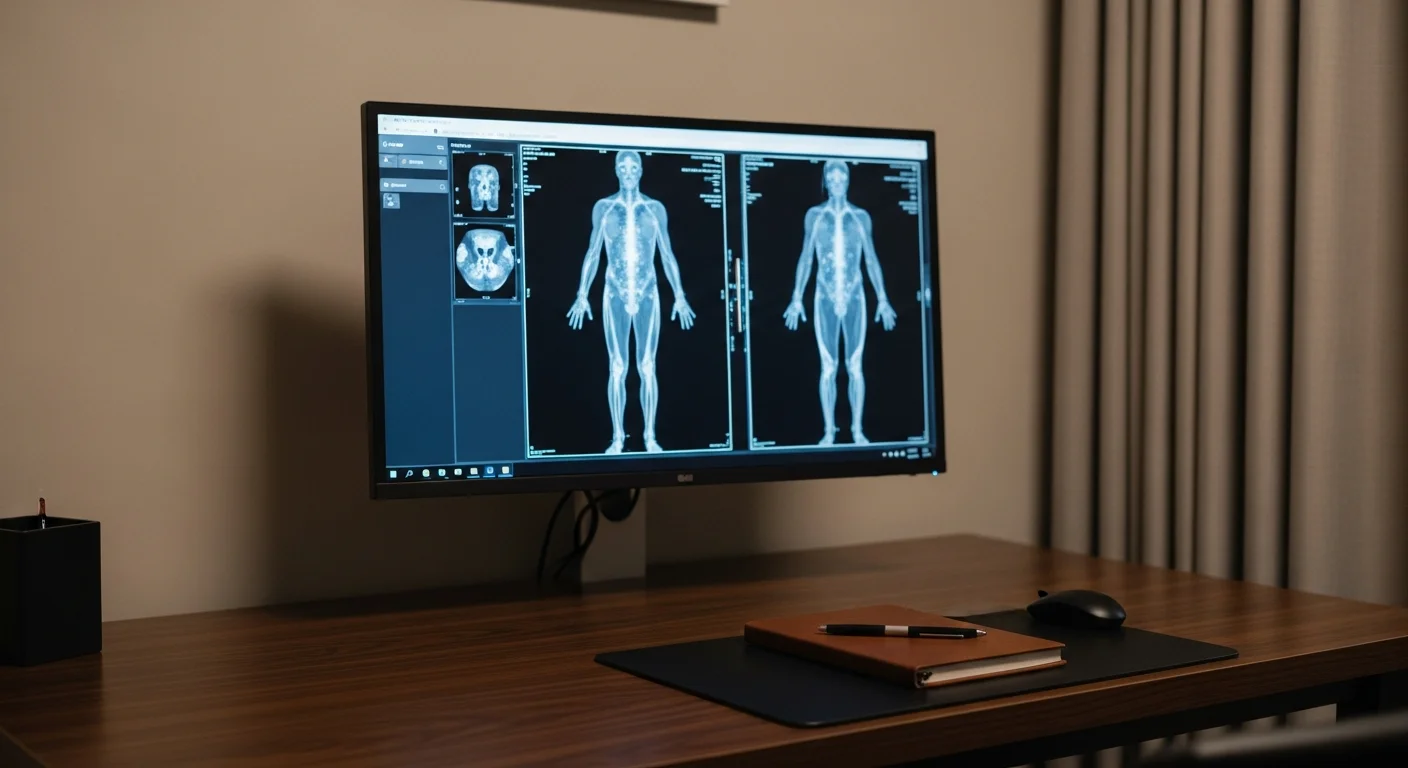
Cancer screening is not a single test. It is a strategy. The first piece of that strategy is high-resolution imaging. Standard MRI is used to look at a known problem, like a sore knee. Whole-body MRI (WB-MRI) is a screening tool designed to look at the whole body at once.
  • No radiation: MRI uses magnets, not X-rays. That makes repeated screening safe.
  • What it can see: solid tumors in the brain, spine, liver, pancreas, kidneys, ovaries, and prostate. It also picks up aneurysms and significant spinal degeneration.
  • The companies: Patients in this region often choose Prenuvo or Ezra, with locations in or near Philadelphia and New York.
A whole-body MRI is like a building inspection for your body. It will not find microscopic single cells (that is what a liquid biopsy is for), but it will identify structural problems like a small kidney tumor while it is still silent and curable.

The Galleri Liquid Biopsy: High-Sensitivity Blood Testing

Liquid biopsy is a powerful tool in modern oncology. It works by detecting circulating tumor DNA (ctDNA), tiny fragments of DNA shed by cancer cells into the bloodstream.

The Galleri Test

  • How it works: It looks for methylation patterns (chemical tags) on the DNA that indicate "this DNA came from a cancer cell, not a healthy one."
  • Scope: It screens for more than 50 types of cancer with one blood draw.
  • False positive rate: very low, less than half of one percent. So a positive result is taken very seriously.
The Medicine 3.0 strategy is to combine high-resolution (MRI) with high-sensitivity (blood test). Together, they make a safety net that catches both larger structural threats and microscopic biological signals.

Why Family History Alone Is Not Enough

Many people think, "I do not have cancer in my family, so I am safe." The reality is that most cancers are sporadic. They are driven by environmental exposures, metabolic dysfunction, and chance, not just inherited mutations.

The Metabolic Link to Cancer

Metabolic health is one of the largest modifiable drivers of cancer risk.
  • Insulin is a growth signal: chronically high insulin (hyperinsulinemia) tells cells to grow and divide. That creates an environment where some cancers thrive.
  • Visceral fat is hormonally active: it releases inflammatory signals (cytokines) that can damage DNA over time.
  • Alcohol is a Group 1 carcinogen: it raises risk across the breast, colon, liver, esophagus, and other tissues.

Fishtown Medicine

A 90-minute conversation with Dr. Ash. A written plan you can actually follow.

Book a Free 20-Min Call
By improving metabolic health, lowering fasting insulin, fixing sleep, and improving body composition, we are creating an internal environment that is less friendly to cancer.

The Fishtown Medicine Screening Stack

ComponentStandard of CareFishtown Medicine Approach
Blood screeningComplete blood count (CBC)Galleri liquid biopsy, CBC, ferritin, LDH, hs-CRP
ImagingMammogram (women over 40), colonoscopy (over 45)Whole-body MRI baseline, low-dose lung CT for smokers
GeneticsOnly if a strong family historyWhole-genome panel, BRCA, Lynch syndrome screening
SkinVisual examDermatology mole mapping with photography
MetabolicStandard glucose and lipid panelFasting insulin, ApoB, A1c, lipoprotein(a), inflammatory markers

Managing "Incidentalomas"

The trade-off of advanced screening is finding things that turn out to be harmless: benign cysts, small nodules, mild spinal changes. In a fragmented system, those findings can spiral into anxiety and unnecessary biopsies. Our role is to act as the quarterback. We interpret the report. We tell you, "this 3 mm kidney cyst is benign and we will monitor it once a year." Clinical judgment turns scary words into a clear plan.

The Screening Stack at a Glance

ToolWhat It TargetsHow Often
Whole-body MRISolid tumors larger than about 1 cmEvery 1 to 2 years
Galleri liquid biopsyCirculating tumor DNA from 50+ cancersAnnual
ColonoscopyColon polypsEvery 5 to 10 years (gold standard)
Dermatology mappingMelanoma and atypical molesAnnual photography

Guidance from the Clinic

Dr. Ash
"Anxiety usually comes from the unknown, not the known. I ask every patient whether they would want to know about a hidden cancer today, because knowledge buys options. No test is perfect, but ignoring the technology we have is a kind of willful blindness I cannot recommend."
A common conversation in our practice:
"Dr. Ash, will the Galleri test confirm I do not have cancer?"
My honest answer: No test is perfect. A negative Galleri test does not mean zero risk. A clean MRI does not guarantee safety. The aim is not certainty. The aim is to improve the odds of catching something early, when options are widest. I often ask: "If you had a stage 1 cancer growing in you right now, would you want to know?" Some patients say no, they would rather live without the worry. That is a valid choice, and we respect it. Most patients say yes, because they can address it and move on. For those patients, standard care alone usually falls short.

Actionable Steps in Philly

Start with the foundation, then layer on the advanced tools.
  1. Lock in the basics: full screening for colon, cervical, breast, lung, and prostate cancer based on your age and risk profile.
  2. Audit your metabolic risk: fasting insulin, A1c, ApoB, and inflammatory markers tell us how friendly your internal environment is to cancer.
  3. Consider the Galleri liquid biopsy: especially if you are over 50 or have higher-risk family history.
  4. Explore whole-body MRI: a baseline scan, often around 1,000 to 2,500 dollars cash, can offer real peace of mind and a structural map.
  5. Get a dermatology mole map: photography-based mapping makes it easy to spot changes year over year.
At Fishtown Medicine, we can order the Galleri test directly and coordinate whole-body MRI with regional centers in or near Philly. Book your Warm Invitation Call

Key Takeaways

  • Most cancers are found late. Earlier detection means more options.
  • Standard screening covers only a few cancers. Pancreatic, liver, ovarian, and brain cancers usually have no routine screen.
  • Whole-body MRI plus liquid biopsy offers a layered net of structural and molecular signals.
  • Metabolic health is part of cancer prevention. Insulin, visceral fat, and alcohol all matter.
  • No test is perfect. A clean result lowers the odds of disease, but does not erase them.

Scientific References

  1. Klein EA, et al. Clinical validation of a targeted methylation-based multi-cancer early detection test using circulating cell-free DNA (CCGA). Annals of Oncology. 2021.
  2. Welch HG, et al. Overdiagnosis in cancer. Journal of the National Cancer Institute. 2010.
  3. Abreu PK, et al. Whole-body MRI for preventive health screening: findings and downstream implications. American Journal of Roentgenology. 2022.
  4. Liu MC, et al. Sensitive and specific multi-cancer detection and localization using methylation signatures in cell-free DNA. Annals of Oncology. 2020.
  5. Attia P. Outlive: The Science and Art of Longevity. Harmony/Rodale; 2023.

Medical Disclaimer: This resource provides clinical context for educational purposes. In the world of Precision Medicine, there is no "one size fits all", the right screening strategy must be matched to your unique lab work, physiology, and risk tolerance. Consult Dr. Ash to determine if this approach is right for you, especially if you have chronic health conditions or are taking prescription medications.

Frequently Asked Questions

Common Questions

A whole-body MRI in or near Philadelphia usually costs between 1,000 and 2,500 dollars cash, depending on the provider and the scope of the scan. Insurance generally covers diagnostic MRIs for symptoms but not screening MRIs in healthy people. Many people use HSA or FSA funds to help pay.
The Galleri test is not yet routinely covered by insurance. It is currently a cash-pay test, around 750 dollars. Many people pay using FSA or HSA accounts. Coverage may improve as the evidence base for multi-cancer early detection grows.
A clear whole-body MRI offers high confidence but not certainty. It cannot reliably see tumors smaller than about 1 cm, and it does not detect blood cancers like leukemia. That is why we pair MRI with blood-based tests like the Galleri liquid biopsy and standard screenings.
Circulating tumor DNA (ctDNA) is small pieces of DNA released by cancer cells into the bloodstream. Liquid biopsy tests like Galleri analyze chemical patterns on this DNA to detect a cancer signal and often suggest where in the body it is coming from.
Overdiagnosis is a real concern with broad screening. It happens when we find slow-growing cancers or benign changes that would never have caused harm. The goal is not to scan blindly, but to use scans and tests in patients whose age, history, and goals fit, and to interpret findings with clinical judgment, not panic.
Most healthy adults who pursue whole-body MRI screening do so every 1 to 2 years. Higher-risk patients with strong family history or specific genetic findings may scan more often. The right cadence depends on your personal risk profile, prior findings, and goals.
Galleri does not replace colonoscopy. Colonoscopy is still the gold standard for colorectal cancer screening because it can both detect and remove precancerous polyps in one procedure. Galleri is a complement that adds detection for cancers without routine screening tools.
Yes, better metabolic health can lower cancer risk in meaningful ways. High insulin, visceral fat, and chronic inflammation all create biology that supports tumor growth. Improving sleep, exercise, body composition, and diet has been linked with lower rates of breast, colon, liver, and other cancers in many studies.
These advanced tests are not right for everyone. They make most sense for patients who want a proactive plan, can absorb the financial cost, and are prepared to follow up on findings. For others, sticking with standard screening plus metabolic optimization is a reasonable, evidence-based path.
You can get a whole-body MRI at growing options near Philadelphia, including Prenuvo locations in the Philly suburbs and New York and a number of independent radiology centers offering similar screening protocols. We help patients pick a center that matches their goals and budget.

Deep-Dive Questions

Some cancers are easier to screen for because they tend to grow slowly, develop predictable precursor lesions, and respond well to early treatment. Colon and cervical cancers fit this pattern. Pancreatic and ovarian cancers grow quickly and rarely cause symptoms early, which makes traditional screening tools less effective and pushes us toward newer tools like liquid biopsy.
The Galleri test has a very low false positive rate, under half a percent in studies, but its sensitivity varies a lot by cancer type and stage. It detects late-stage cancers more reliably than stage 1 disease. Used as part of a layered plan, it adds real value, especially for cancers without standard screening.
Stage 0 cancer refers to cancer cells that have not yet invaded surrounding tissue, sometimes called carcinoma in situ. At this stage, treatment is usually local and outcomes are excellent. The goal of advanced screening is to find disease at this earliest possible point.
Insulin acts as a growth signal in many tissues, and it also raises levels of insulin-like growth factor 1 (IGF-1), another driver of cell growth. Chronically high insulin therefore creates a "grow more" environment that some cancers exploit. This is one reason addressing insulin resistance is a meaningful part of cancer prevention.
Yes, alcohol is classified as a Group 1 carcinogen by the World Health Organization, the same category as tobacco and asbestos. Alcohol raises risk across the breast, colon, liver, esophagus, mouth, and throat. Lower amounts mean lower risk. There is no level of intake known to be entirely risk-free.
Visceral fat raises cancer risk by acting as an active hormone-producing organ. It releases inflammatory signals like IL-6 and TNF-alpha, raises insulin and IGF-1, and shifts the immune environment toward chronic inflammation. Reducing visceral fat through sleep, training, and food changes addresses several of these levers at once.
Genetics plays a meaningful role for some patients. Mutations in BRCA1, BRCA2, Lynch syndrome genes, and others raise lifetime cancer risk significantly. People with strong family histories or known mutations benefit from targeted screening protocols, often starting earlier and more often than average. Whole-genome panels can also reveal less-known risk variants.
Incidental findings at Fishtown Medicine are managed by clear interpretation, careful follow-up, and direct communication. We classify each finding by likely behavior, decide whether it needs imaging follow-up, biopsy, or simple monitoring, and explain the plan in plain language. The goal is to act on real signals, not on every shadow.
Whole-body MRIs can cause anxiety for some patients, especially when reports list many incidental findings without clear context. The way we counter this is by reviewing every finding together, classifying which matter and which do not, and turning a long radiology list into a short, clear plan. Most patients report feeling less anxious afterward, not more.
The future of cancer screening points toward more sensitive blood tests, better imaging with artificial intelligence assistance, and risk models that combine genetics, metabolic markers, and lifestyle. Multi-cancer early detection tests like Galleri are part of that future. We expect more cancers to be screened with simple blood draws within the next decade.
Metabolic health is one of the few cancer risk factors patients can change in a measurable, sustained way. Genetics is fixed. Age is fixed. Insulin sensitivity, visceral fat, sleep, exercise, and alcohol are not. Working on those upstream levers is one of the highest-yield things any person can do for long-term cancer risk.
Yes, low-dose CT lung screening still plays a role for current and former smokers who meet eligibility criteria. It is the only screening test proven to reduce lung cancer mortality in this group. Whole-body MRI does not replace it because lung tissue is best assessed with CT, not MRI.
When a screen comes back positive, our role is to coordinate the next steps quickly. That usually means targeted imaging, specialist referral, and clear communication. Because we already work with regional centers of excellence in and around Philadelphia, we can move fast without leaving you to navigate the system alone.
Most advanced screening tests are not appropriate during pregnancy. MRI without contrast is generally safe but is rarely chosen for routine screening in pregnancy. Blood-based tests like Galleri have not been validated in pregnant patients. We pause these screens during pregnancy and resume after delivery and breastfeeding when appropriate.
The cost-benefit calculation depends on your age, risk profile, finances, and tolerance for finding incidentalomas. For some patients, paying for a whole-body MRI and Galleri once a year is well worth the peace of mind and earlier detection. For others, a strong metabolic plan, standard screenings, and dermatology mapping is a more reasonable fit. We help you decide based on your specific situation.

Still have a question?

He answers personally. Usually within a few hours.

Related Intelligence

Longevity Strategies | Fishtown Medicine

Longevity Strategies | Fishtown Medicine

Strategies to extend your healthspan and optimize lifespan in Philadelphia.

Read Deep Dive
Biological Age Testing: Truth vs. Marketing

Biological Age Testing: Truth vs. Marketing

You have two ages: chronological and biological. See why epigenetic methylation clocks are the gold standard for measuring how fast you are aging.

Read Deep Dive
The Metabolic Reset: GLP-1 Agonists Beyond Weight Loss

The Metabolic Reset: GLP-1 Agonists Beyond Weight Loss

Why semaglutide and tirzepatide are more than diet drugs. They lower inflammation, dampen addiction circuits, and protect the heart.

Read Deep Dive

Talk it through with Dr. Ash.

If anything you read here raised a question, this is a free 20-minute Warm Invitation Call. Pick a time and we’ll work through it together.

HSA/FSA eligible
No initiation or cancellation fees
No copays

Loading scheduler...

Having trouble with the scheduler? Book directly on Dr. Ash’s calendar

FishtownFish wrapped around the rod of AsclepiusMedicine
Philadelphia Primary Care
2418 E York St, Philadelphia, PA 19125Home visits in Greater Philadelphia

Serving Fishtown · Art Museum · Bella Vista · Callowhill · Center City · Center City West · Chestnut Hill · East Kensington · Fairmount · Fitler Square · Graduate Hospital · Logan Square · Manayunk · Northern Liberties · Old City · Olde Richmond · Poplar · Port Richmond · Queen Village · Rittenhouse · Roxborough · Society Hill · Southwark

Explore by topic

Women’s Health
  • Perimenopause
  • Menopause 3.0
  • PCOS
  • Fertility
Men’s Health
  • TRT Therapy
  • TRT Safety
  • TRT vs Enclomiphene
  • Low Libido
Metabolic
  • Medical Weight Loss
  • Ozempic vs Metformin
  • Fasting Protocols
  • Visceral Fat
Cardiovascular
  • apoB & Heart Health
  • apoB vs LDL
  • Lp(a) Cholesterol
  • ED & Heart Risk
Longevity + Performance
  • Healthspan vs Lifespan
  • Biological Age
  • VO2 Max
  • Zone 2 Training
Supplements
  • Magnesium
  • Creatine
  • Omega-3
  • Foundational Stack

Content is for educational purposes only and does not constitute medical advice.

TermsPrivacyScope of PracticeClinical Independence