
POTS (postural orthostatic tachycardia syndrome) is defined by a heart rate increase of 30+ bpm (40+ in adolescents) within 10 minutes of standing, in the absence of orthostatic hypotension, with chronic symptoms of orthostatic intolerance. Diagnosis is typically made by active stand test or tilt table; primary care can do most of the workup. Treatment includes salt, fluids, compression garments, graded recumbent exercise, and selective medications (beta blockers, ivabradine, fludrocortisone, midodrine). Fishtown Medicine evaluates POTS in clinic and coordinates with cardiology or autonomic neurology when needed.
POTS has become much more recognized in Philadelphia since the post-viral wave that followed COVID-19. Many of the patients arriving in clinic with persistent symptoms after viral illness have a clear POTS picture. Many others have had POTS for years and were told it was "anxiety" or "deconditioning."
This page is how Fishtown Medicine evaluates and manages POTS: the diagnosis, the treatable comorbidities, the non-pharmacologic foundation, and the medications when needed.
What POTS is
The formal diagnostic criteria:
- Heart rate increase of at least 30 bpm (40 in adolescents) within 10 minutes of standing or upright tilt.
- Chronic symptoms (more than 3-6 months) of orthostatic intolerance: lightheadedness, palpitations, fatigue, exercise intolerance, brain fog, often nausea, sometimes pre-syncope.
- Absence of significant orthostatic hypotension (drop of 20+ systolic or 10+ diastolic in the first 3 minutes).
- Absence of other clear cause.
Common triggers and associations:
- Post-viral, including post-COVID, post-EBV, post-influenza.
- Following surgery or trauma.
- Pregnancy and postpartum.
- Joint hypermobility (Ehlers-Danlos spectrum).
- Mast cell activation syndrome.
- Other autoimmune or autonomic conditions.
POTS predominantly affects women, often presenting in the teens to 30s, but can occur at any age and in any sex.
How POTS is diagnosed
The simplest screening test is an active stand test: measure heart rate and blood pressure supine after 5-10 minutes of rest, then at 1, 3, 5, and 10 minutes of standing. A consistent heart rate increase of 30+ bpm without orthostatic hypotension supports the diagnosis.
A formal tilt table study (typically done in an autonomic lab or cardiology setting) is the gold standard and is useful when the diagnosis is uncertain.
The workup also includes:
- CBC, comprehensive metabolic panel, TSH and free T4, vitamin D, B12, iron studies.
- EKG and sometimes echocardiogram.
- Sleep evaluation if symptoms warrant.
- Mast cell tryptase if MCAS features are present.
- Evaluation for joint hypermobility and Ehlers-Danlos spectrum.
- Standing catecholamines in selected patients to distinguish hyperadrenergic POTS.
We rule out alternative diagnoses (inappropriate sinus tachycardia, hyperthyroidism, anemia, dehydration, certain medications, structural cardiac disease) as part of the workup.
Non-pharmacologic foundation
Non-pharmacologic measures are the foundation and substantially improve symptoms in most patients:
- Fluid intake: typically 2-3 liters per day.
- Salt intake: typically 3-10 grams per day, individualized.
- Compression garments: abdominal binder and/or knee-high to thigh-high compression.
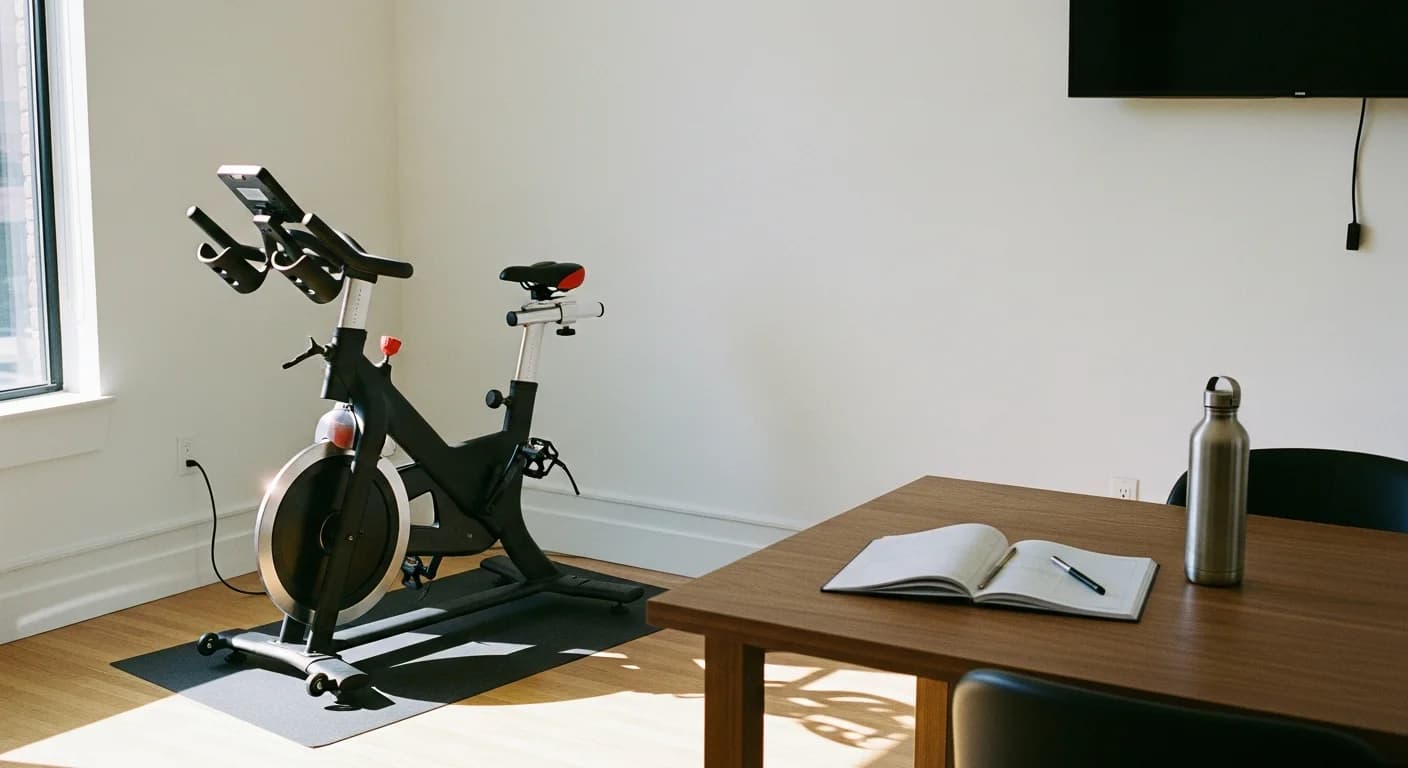
- Graded recumbent exercise: rowing, recumbent cycling, swimming. Avoiding upright exercise initially, gradually transitioning as tolerance allows.
- Sleep with head of bed elevated.
- Avoiding triggers: heat, alcohol, large meals, prolonged standing.
- Resistance training for lower-body strength, supporting venous return.
The non-pharmacologic foundation is not optional; medications work much better when these are in place.
Fishtown Medicine
A 90-minute conversation with Dr. Ash. A written plan you can follow.
Medications
When non-pharmacologic measures are insufficient, selective medications help:
- Beta blockers (low-dose propranolol or metoprolol) for hyperadrenergic features and rate control.
- Ivabradine for selective heart rate reduction without blood pressure effects.
- Fludrocortisone for volume expansion.
- Midodrine for vasoconstriction (taken before periods of upright activity).
- Pyridostigmine in selected patients.
- SSRIs or SNRIs for some patients with hyperadrenergic features or comorbid anxiety.
Medication selection depends on the subtype of POTS, comorbidities, and patient preferences.
How POTS care works at Fishtown Medicine
First visit is 90 minutes. We do an active stand test in person, build the history, decide on the workup, and start the non-pharmacologic foundation immediately.
Follow-up at 4-6 weeks to review labs, refine non-pharmacologic measures, and consider medications. Then at 1-3 month intervals as we titrate.
We coordinate with cardiology and autonomic neurology when needed for complex cases. Penn and Jefferson both have autonomic specialists who run formal tilt studies.
What it costs
Membership at Fishtown Medicine covers all visits and ongoing management; see pricing for current rates. All visits and ongoing management are included. Labs and medications are billed separately. Cardiology and autonomic neurology referrals are billed through their respective practices.
Key Takeaways
- POTS is a real autonomic disorder with specific diagnostic criteria.
- Diagnosis requires a stand test or tilt study showing the characteristic heart rate response.
- Non-pharmacologic measures (salt, fluids, compression, graded recumbent exercise) are the foundation.
- Selective medications help when non-pharmacologic measures are insufficient.
- Fishtown Medicine evaluates and manages POTS in primary care and coordinates with specialists when needed.
Related Services and Reading
-
Dizziness and a Racing Heart When You Stand - a patient case on catching POTS with a 10-minute stand test
-
Lyme Disease Care - acute and chronic Lyme management
-
Sleep Disorders - from insomnia to OSA, the systematic sleep workup

Frequently Asked Questions
Common Questions
Deep-Dive Questions
Ready when you are
The chat is our AI assistant, answering from our published guides. To talk it through with Dr. Ash himself, start with the intake.