FishtownFish wrapped around the rod of AsclepiusMedicine
Philadelphia Primary Care
How It Works
What People Say
Patient reviews across 6 platforms
Articles
Symptoms
What your body is telling you
Treatments
Protocols, prescriptions, therapies
Longevity
Medicine 3.0 strategies
Heart Health & Risk
Protect your heart & vessels
Metabolism
Insulin, blood sugar, weight
Hormones
TRT, thyroid, menopause, andropause
Performance
VO2 max, muscle, sleep, gut
Playbooks
Step-by-step frameworks
About
Meet Dr. Ash
Your Physician
GERO·SPAN
Our Clinical Framework
FAQ
Common Questions
Book a Free Call
The Philly Throat: Why Your Allergies Are Worse Here | Fishtown Medicine
Fishtown Medicine•6 min read

The Philly Throat: Why Your Allergies Are Worse Here

On This Page
  • Table of Contents
  • Why Do New Philly Residents Get Hit So Hard?
  • What Are the Big Three Philly Pollen Seasons?
  • 1. Tree pollen (the "Spring Bomb")
  • 2. Grass pollen (the "Summer Simmer")
  • 3. Weed pollen (the "Fall Finish")
  • Why Does Air Pollution Make Philly Pollen Worse?
  • A Note on Indoor Triggers
  • How to Protect Yourself From Philly Allergies
  • 1. The "Airlock" strategy
  • 2. Mechanical filtration
  • 3. The saline rinse
  • What I Tell My Patients
  • Actionable Steps in Philly
  • Key Takeaways
  • Common Questions
  • Can local honey cure my allergies?
  • Why do I feel like I have had a cold for 2 months?
  • Are steroid sprays like Flonase safe?
  • When does Philly's pollen season usually start?
  • What is the difference between allergies and a cold?
  • Can air pollution alone cause asthma in Philadelphia?
  • Are allergy shots worth it?
  • Should I take Zyrtec, Claritin, or Allegra?
  • Deep Questions
  • What is the urban heat island and how does it lengthen the pollen season?
  • How does PM2.5 affect the immune response to pollen?
  • Can chronic allergies cause sleep apnea or sleep fragmentation?
  • What is the connection between allergies and asthma?
  • Why are dust mite allergies common in Philly row homes?
  • How do I test for mold in my home?
  • Are HEPA filters actually effective for pollen and pollution?
  • What is the difference between allergic and non-allergic rhinitis?
  • How does ragweed affect the lungs differently from tree pollen?
  • Can climate change make my allergies worse over time?
  • Should I worry about ozone alerts in Philadelphia?
  • What is the role of vitamin D in allergic disease?
  • Scientific References

Get a preventive doctor that knows you.

Consult Dr. Ash
TL;DR · 30-second take

Philadelphia allergies are worse for three reasons. The urban heat island stretches the pollen season 4 to 6 weeks longer. PM2.5 and ozone pollution make pollen more inflammatory. Old housing stock raises mold and dust mite exposure. Most patients respond well to a layered plan of avoidance, filtration, and saline rinses.

The Philly Throat: Why Your Allergies Are Worse Here

Quick Answer: It is not just you. Philadelphia often ranks in the "Top 5 Worst Cities for Allergies" because of three local factors: old housing stock that traps mold, the urban heat island that lengthens the pollen season, and a "synergy" between pollen and industrial air pollution. Most patients respond well to a layered plan: filtration, saline rinses, an evening shower, and an intranasal steroid.

Table of Contents

  • Why do new Philly residents get hit so hard?
  • What are the big three Philly pollen seasons?
  • Why does air pollution make Philly pollen worse?
  • How to protect yourself
  • Common Questions
  • Deep Questions

Why Do New Philly Residents Get Hit So Hard?

We hear it constantly in the clinic: "I never had allergies until I moved to Fishtown." There are two main reasons new Philly residents get hit hard:
  1. Novel exposure: you may have grown up around pine trees. Philadelphia's mix of ragweed and oak presents a protein structure your immune system has not seen before, which often triggers a stronger reaction.
  2. The urban heat island: concrete and asphalt hold heat. That keeps local plants warmer, so they release pollen earlier (sometimes February) and stay active later (often into November). You are exposed to allergens for 4 to 6 weeks longer in the city than in the suburbs.

What Are the Big Three Philly Pollen Seasons?

Our geography creates a relay race of triggers. As one pollen fades, the next begins.

1. Tree pollen (the "Spring Bomb")

  • Timing: late February through May.
  • Culprits: oak, maple, birch, and the city's many street trees.
  • Symptoms: heavy sneezing, itchy eyes (a condition called allergic conjunctivitis).

2. Grass pollen (the "Summer Simmer")

  • Timing: late May through July.
  • Culprits: Kentucky bluegrass and orchard grass.
  • Symptoms: nasal congestion and a heavy-headed feeling.

3. Weed pollen (the "Fall Finish")

  • Timing: August through the first frost (often November).
  • Culprit: ragweed is the king of Philly fall. A single ragweed plant produces about a billion grains of pollen.
  • Symptoms: the classic "Philly throat", a scratchy, irritated post-nasal drip that feels like a cold but never goes away.

Why Does Air Pollution Make Philly Pollen Worse?

This is the key medical point. Pollen does not work alone in Philly. Philadelphia has higher baseline levels of PM2.5 (fine particulate matter, smaller than 2.5 micrometers) and ground-level ozone because of traffic density and industrial activity, including the refinery complex and the Chester incinerator. The synergy effect works in two ways:
  1. Fractures the pollen: diesel exhaust particles attach to pollen grains. They break the grain into smaller fragments that travel deeper into the lungs.
  2. Aggravates the immune system: your airways see the pollution and switch into "high alert" inflammation. When the pollen arrives, your reaction is 2 to 3 times stronger than it would be in clean air.

A Note on Indoor Triggers

We focus on outdoor pollen, but do not skip the indoor side. In our blood allergen panels (which measure IgE antibodies), we often find dust mite and mold reactions in homes that look perfectly clean. Cleanliness is not the same as clinical sterility. During our membership home visits, we help identify hidden reservoirs (often in HVAC lining, basement moisture, or old window seals) and coordinate with remediation teams.

How to Protect Yourself From Philly Allergies

You cannot stop the heat island, but you can control your personal airshed.

1. The "Airlock" strategy

When you come home, you are covered in microscopic pollen.
  • Shoes off at the door. Do not track pollen into rugs.
  • Change clothes: "outside clothes" do not touch the bed.
  • Night shower: this is non-negotiable. Rinse the pollen out of your hair before you press it into your pillow for 8 hours.

2. Mechanical filtration

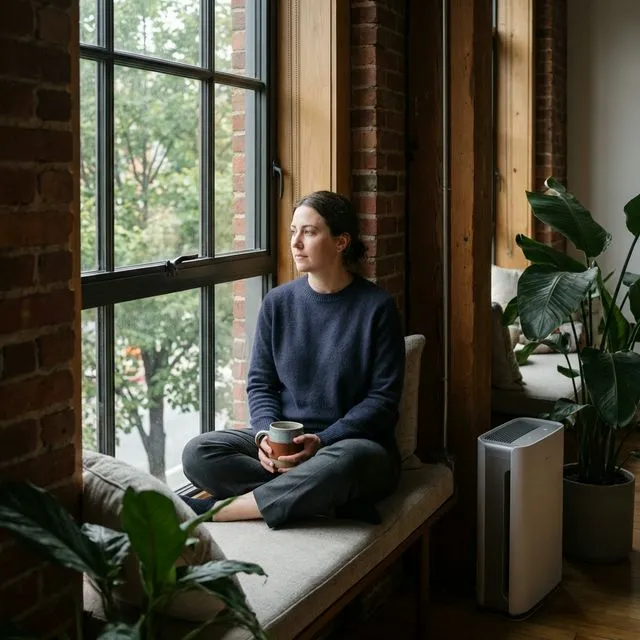
  • HEPA filters: run a true HEPA filter in the bedroom. It captures pollen and PM2.5. The Coway Airmega and Blueair models perform well in independent reviews.
  • AC strategy: on high-pollen days (dry and windy), drive with windows up and set the AC to recirculate.

3. The saline rinse

Using a saline rinse (a Neti pot or a squeeze bottle) physically washes the pollen proteins out of your nasal passages before they trigger the histamine cascade.

What I Tell My Patients

Dr. Ash
"Do not power through the Philly allergy. If you have inflammation in your nose, you likely have inflammation in your lungs. Left alone, seasonal allergies can wreck sleep, raise cortisol, and add to your overall inflammatory load. Antihistamines mask it but do not fix it. Treat it like a medical condition, not a nuisance."

Actionable Steps in Philly

A 7-day plan to settle the airways.
  1. Day 1: get a HEPA air purifier going in the bedroom 24/7.
  2. Day 2: add a saline rinse (Neti pot or NeilMed bottle) twice a day.
  3. Day 3: start an intranasal steroid like fluticasone (brand name Flonase) at one spray per nostril each morning. It takes 5 to 7 days to reach full effect.
  4. Days 4 to 7: shower at night, change clothes when you come home, and check the local pollen count before outdoor workouts on AirNow.gov.

Key Takeaways

  • It is real: the urban heat island makes Philly allergy seasons several weeks longer than surrounding areas.
  • Pollution multiplies the effect: traffic exhaust makes pollen more potent.
  • Shower at night: never bring the outside into your bed.
  • Filter your air: your bedroom should be a sanctuary for your lungs.

Scientific References

  1. D'Amato G, et al. (2015). Climate change, allergies and asthma. Allergy, 70(7), 753-769.
  2. Beggs PJ. (2021). Climate change, aeroallergens, and the impacts on respiratory diseases. The Lancet Planetary Health.
  3. Asthma and Allergy Foundation of America. (2024). Allergy Capitals Report.

Medical Disclaimer: This resource provides clinical context for educational purposes. In the world of Precision Medicine, there is no "one size fits all". The right plan must be matched to your unique health, physiology, and goals. Talk with Dr. Ash to see if this approach is right for you, especially if you have chronic conditions or take prescription medications.

Frequently Asked Questions

Common Questions

Local honey likely does not cure allergies. The theory sounds good, but bees mostly collect from flowers, which produce heavy sticky pollen. Most allergies are driven by wind-borne pollen from trees, grasses, and weeds. Honey is delicious but is not a treatment.
A "cold" lasting more than 2 months is usually allergic rhinitis (chronic nasal allergies), not an actual cold. Allergic rhinitis does not run a fever, and mucus stays clear. If it lasts more than 14 days, allergies are likely. If it travels into the lungs as cough or wheeze, ask your doctor about asthma.
Yes, intranasal steroid sprays are safe for most adults. They reduce inflammation right at the nasal lining with very little absorption into the rest of the body. They are the standard treatment for ongoing allergic rhinitis.
Philly's pollen season usually starts in late February with tree pollen and runs through November when ragweed finally dies off after the first frost. The exact dates shift each year with weather and the urban heat island effect.
Allergies cause clear mucus, itchy eyes, sneezing, and no fever. Symptoms last as long as the allergen exposure does. A cold causes thicker mucus, may include fever and body aches, and resolves in 7 to 10 days.
Yes, long-term exposure to PM2.5 and ozone is linked to new-onset asthma in adults and children. Living near major highways or industrial areas raises the risk. Air filtration and avoiding outdoor exercise on high-AQI days helps.
Allergy shots (a treatment called immunotherapy) are worth it for many patients with severe or year-round allergies. They retrain the immune system to ignore the allergen. The course usually runs 3 to 5 years and provides long-lasting relief in the majority of patients.
All three (cetirizine, loratadine, and fexofenadine) are second-generation antihistamines that cause less drowsiness than older drugs like Benadryl (diphenhydramine). Cetirizine (Zyrtec) is the strongest but has the highest chance of mild drowsiness. Fexofenadine (Allegra) is the least sedating. Try one for 7 to 10 days to see how it works for you.

Deep-Dive Questions

The urban heat island is the warmer microclimate that builds up in dense city neighborhoods because asphalt, brick, and concrete trap and re-radiate heat. In Philadelphia, this can keep neighborhoods 5 to 10°F warmer than nearby suburbs at night. Plants stay warmer, bloom earlier, and shed pollen later. Studies show pollen seasons in U.S. cities are now 20 days longer than they were in 1990.
PM2.5 (particles smaller than 2.5 micrometers) lodge deep in the lungs and trigger oxidative stress. They also stick to pollen grains. The combination breaks pollen open and activates immune pathways more strongly than either particle alone. Patients in higher-pollution neighborhoods often need stronger allergy treatment.
Yes, chronic nasal allergies can cause sleep fragmentation and worsen sleep apnea. A blocked nose forces mouth breathing, dries the airway, and increases the chance of airway collapse. Treating the allergies often improves sleep quality, even without a CPAP change.
Allergies and asthma often go together (a pattern called the "atopic march"). About 60 to 80 percent of people with asthma also have allergic rhinitis. Treating nasal inflammation often reduces asthma flares. The airway is one continuous system from nose to lungs.
Dust mites thrive in warm, humid environments above 50 percent relative humidity. Older Philly row homes often have basements that hold moisture, single-pane windows that condense, and aging HVAC ducts. All three encourage dust mite populations in carpets and bedding.
You can test for mold with a visual inspection (look for dark spots near plumbing, windows, and basement walls), a moisture meter, and a professional air sample if symptoms persist. We send patients with chronic upper-airway issues a basic checklist and refer to local Philadelphia indoor air specialists for stubborn cases.
Yes, true HEPA (High Efficiency Particulate Air) filters capture 99.97 percent of particles down to 0.3 micrometers, including pollen, dust mite waste, mold spores, and most PM2.5. Run them in your bedroom 24/7 and pick a unit rated for your room size.
Allergic rhinitis is driven by IgE antibodies reacting to specific allergens like pollen, dust, or pets. Non-allergic rhinitis (vasomotor rhinitis) reacts to triggers like temperature changes, smoke, or strong smells without an immune cause. Treatment differs. A blood IgE panel can sort it out.
Ragweed grains are smaller and more fragmented than most tree pollens, which means they reach deeper into the lungs. Ragweed also produces a stronger allergic protein. That is why fall ragweed often causes coughing, wheezing, and the gritty "Philly throat" more than spring tree pollen.
Yes, climate change is making allergies worse over time. Higher carbon dioxide levels make ragweed grow larger and produce more pollen per plant. Warmer winters delay first frost, extending the season. Studies in the Northeast U.S. show pollen counts are rising year over year.
Yes, you should adjust outdoor activity on ozone alert days, especially Code Orange or Code Red. Ground-level ozone irritates the airways and worsens asthma and allergies. Move workouts indoors or to early morning before ozone peaks.
Low vitamin D is linked to higher rates of allergic disease and asthma. Many Philly residents are mildly deficient because of long winters and limited UVB sun. We screen vitamin D levels in patients with stubborn allergies and supplement to a target of 40 to 60 ng/mL when low.

---

*Dr. Ash is a board-certified internal medicine physician at Fishtown Medicine. He focuses on environmental health and human performance.*

Still have a question?

He answers personally. Usually within a few hours.

Related Intelligence

The 2-1-5 Rule: A Physician's Guide to Philadelphia Recycling | Fishtown Medicine

The 2-1-5 Rule: A Physician's Guide to Philadelphia Recycling | Fishtown Medicine

Stop wish-cycling. Learn the 2-1-5 rule, see where your trash actually goes (Chester), and protect Philly's air quality.

Read Deep Dive
Longevity Strategies | Fishtown Medicine

Longevity Strategies | Fishtown Medicine

Strategies to extend your healthspan and optimize lifespan in Philadelphia.

Read Deep Dive
Metabolic Health

Metabolic Health

Why you feel tired at 3 PM, and how to fix it.

Read Deep Dive

Talk it through with Dr. Ash.

If anything you read here raised a question, this is a free 20-minute Warm Invitation Call. Pick a time and we’ll work through it together.

HSA/FSA eligible
No initiation or cancellation fees
No copays

Loading scheduler...

Having trouble with the scheduler? Book directly on Dr. Ash’s calendar

FishtownFish wrapped around the rod of AsclepiusMedicine
Philadelphia Primary Care
2418 E York St, Philadelphia, PA 19125Home visits in Greater Philadelphia

Serving Fishtown · Art Museum · Bella Vista · Callowhill · Center City · Center City West · Chestnut Hill · East Kensington · Fairmount · Fitler Square · Graduate Hospital · Logan Square · Manayunk · Northern Liberties · Old City · Olde Richmond · Poplar · Port Richmond · Queen Village · Rittenhouse · Roxborough · Society Hill · Southwark

Explore by topic

Women’s Health
  • Perimenopause
  • Menopause 3.0
  • PCOS
  • Fertility
Men’s Health
  • TRT Therapy
  • TRT Safety
  • TRT vs Enclomiphene
  • Low Libido
Metabolic
  • Medical Weight Loss
  • Ozempic vs Metformin
  • Fasting Protocols
  • Visceral Fat
Cardiovascular
  • apoB & Heart Health
  • apoB vs LDL
  • Lp(a) Cholesterol
  • ED & Heart Risk
Longevity + Performance
  • Healthspan vs Lifespan
  • Biological Age
  • VO2 Max
  • Zone 2 Training
Supplements
  • Magnesium
  • Creatine
  • Omega-3
  • Foundational Stack

Content is for educational purposes only and does not constitute medical advice.

TermsPrivacyScope of PracticeClinical Independence