
FishtownFish wrapped around the rod of AsclepiusMedicine
Philadelphia Primary Care
How It Works
What People Say
Patient reviews across 6 platforms
Articles
Symptoms
What your body is telling you
Treatments
Protocols, prescriptions, therapies
Longevity
Medicine 3.0 strategies
Heart Health & Risk
Protect your heart & vessels
Metabolism
Insulin, blood sugar, weight
Hormones
TRT, thyroid, menopause, andropause
Performance
VO2 max, muscle, sleep, gut
Playbooks
Step-by-step frameworks
About
Meet Dr. Ash
Your Physician
GERO·SPAN
Our Clinical Framework
FAQ
Common Questions
Book a Free Call
Healthy Dining in Philadelphia
Fishtown Medicine•5 min read
4.96 (124)

Healthy Dining in Philadelphia

Ashvin Vijayakumar MD

Medically Reviewed

Ashvin Vijayakumar MD•Updated May 23, 2026
On This Page
  • Dining out without selling out
  • What does a farm-to-table approach look like? (Talula's Garden)
  • What about vegetable-forward dining? (Vedge)
  • Can fast casual still be healthy? (Real Food Eatery)
  • What about organic and gluten-free? (P.S. & Co.)
  • How do I navigate any menu in Philly?
  • Guidance from the Clinic
  • Actionable Steps in Philly
  • Common Questions
  • Is "farm to table" just a marketing term?
  • What about alcohol while dining out?
  • Is sushi a healthy choice in Philadelphia?
  • Can I eat a Philly cheesesteak and stay healthy?
  • How do I know if a restaurant uses good oil?
  • What is the best time of day to eat a heavy restaurant meal?
  • Are smoothie bowls actually healthy?
  • Is dairy okay at restaurants?
  • Deep Questions
  • How does dining at SEPTA-accessible restaurants change my routine?
  • What about Philly BYOB culture and metabolic health?
  • How do I handle a date night without giving up my goals?
  • Are vegan restaurants automatically healthier?
  • What if I am training for a Broad Street Run or marathon?
  • Can I use a CGM to learn about my favorite Philly restaurants?
  • What about Reading Terminal Market lunches?
  • How does Philly's brunch culture fit into a longevity plan?
  • What if I have IBS or gluten sensitivity?
  • How do food allergies fit into a busy dining schedule?
  • How do I handle business dinners with clients?
  • What about Center City vs. Fishtown dining options?
  • How do I find healthier picks in Old City?
  • Is takeout from Philly restaurants better or worse than dine-in?
  • How does seasonal eating shift my Philly restaurant choices?
  • Scientific References

Get a preventive doctor that knows you.

Consult Dr. Ash
TL;DR · 30-second take

You can eat well in Philadelphia restaurants and still protect your metabolic health. Look for places that name their farms, use olive oil instead of seed oils, and offer vegetable-forward menus. Talula's Garden, Vedge, Real Food Eatery, and P.S. & Co. are good starting points. The post-meal walk does more than you think.

Philadelphia Dining Strategy: A Medicine 3.0 Guide (2025)

Dining out without selling out

You do not have to cook every meal at home to stay metabolically healthy. Philadelphia's culinary scene has plenty of farm-to-table options that fit a longevity lifestyle, if you know what to look for. In my practice, I tell patients that food is information. Every meal sends signals to your genes, your hormones, and your microbiome. Joy and social connection also send strong signals that lower stress hormones and support a longer healthspan. The goal here is not specific restaurant rankings. It is a clear strategy you can apply at any restaurant. I want you to find the overlap of high-quality sourcing (low chemical load), nutrient density, and culinary excellence. Below are examples of local restaurants that prioritize oil quality, sourcing, and vegetable-forward menus.

What does a farm-to-table approach look like? (Talula's Garden)

The concept is sourcing that lines up with the seasons.
  • The strategy: Look for menus driven by the calendar. Plants harvested at peak ripeness from local Lancaster farms have noticeably more polyphenols and micronutrients than produce shipped across the country.
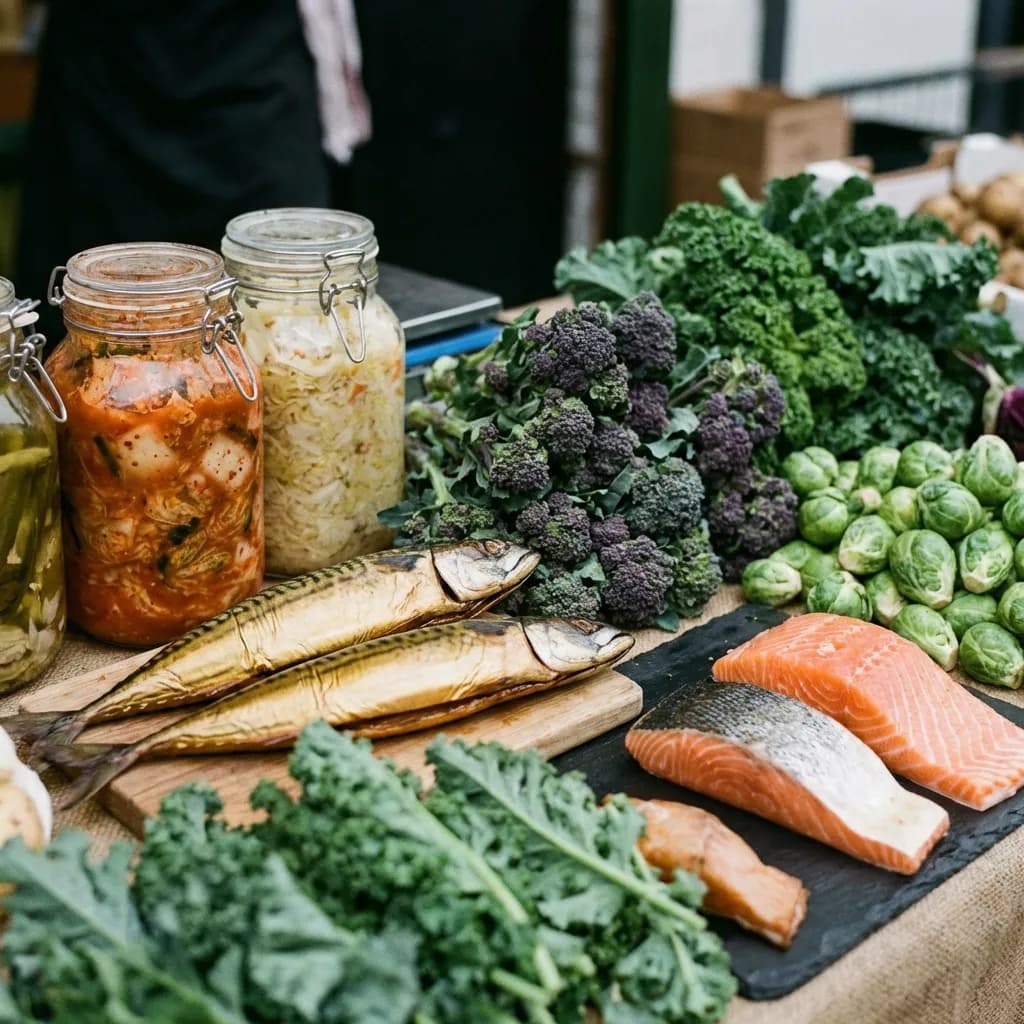
  • Menu navigation: Prioritize seasonal vegetable plates and fatty fish like mackerel or salmon for omega-3s.

What about vegetable-forward dining? (Vedge)

The concept here is microbiome diversity without heavy processing.
  • The strategy: Even if you eat meat, you need fiber variety to feed your gut microbiome. High-end vegetable cooking shows you do not need fake meats to feel full.
  • Menu navigation: Look for cruciferous vegetables (broccoli, cauliflower), which activate the body's internal antioxidant system through compounds like sulforaphane.

Can fast casual still be healthy? (Real Food Eatery)

The concept is convenience without the inflammatory cost.
  • The strategy: The biggest hidden risk in fast casual is the cooking oil. Industrial seed oils are often used to lower costs.
  • Menu navigation: Choose places that clearly say they cook with olive oil. That single change lowers the inflammatory load of a quick lunch.

What about organic and gluten-free? (P.S. & Co.)

The concept is nutrient density and clean sourcing.

Fishtown Medicine

A 90-minute conversation with Dr. Ash. A written plan you can actually follow.

Book a Free 20-Min Call
  • The strategy: For patients with autoimmune conditions or gut issues, strict organic and gluten-free sourcing removes many common triggers.
  • Menu navigation: Focus on nutrient-dense salads and medicinal mushroom drinks for cognitive support.
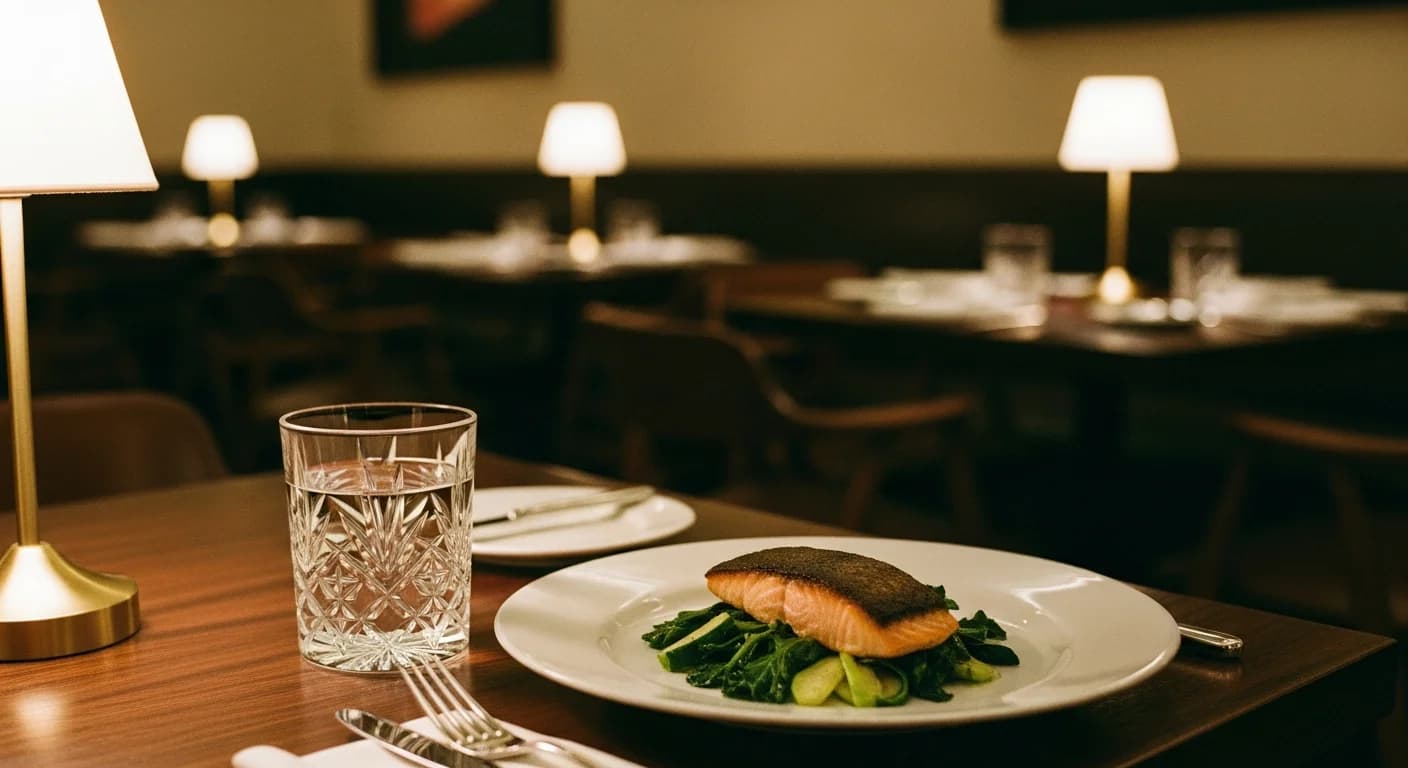
Nutritious food variety including fatty fish and vegetables

How do I navigate any menu in Philly?

Use this quick reference to eat anywhere without hurting your metabolic health.
Menu termThe fixWhy?
"Crispy" or friedAsk for grilled or roasted.Commercial frying often uses oxidized seed oils, which can drive inflammation and harm your mitochondria (your cells' energy makers).
Salad dressingsAsk for "olive oil and lemon on the side."Most house dressings rely on soybean oil and added sugar.
DessertShare it, or stick to berries and cheese.Context matters. A bite is sensory. A full bowl is a real glucose spike.

Guidance from the Clinic

Dr. Ash
"Metabolic flexibility is the goal."
My perspective: patients often ask me about the "Philly cheesesteak question." Can you eat one? Yes, occasionally. If you are metabolically healthy, meaning you eat whole foods, prioritize protein, and keep up your muscle mass roughly 90 percent of the time, your body can handle the 10 percent fun foods without falling apart. We are aiming for a system that bends without breaking. That said, quality always matters. A cheesesteak from a high-quality butcher is metabolically better than a fast-food version.

Actionable Steps in Philly

Audit your "go-to" list.
  1. Check the oil: Call your favorite restaurant and ask, "Do you cook with olive oil or canola/soybean oil?" You may be surprised how many high-end places use cheaper, inflammatory oils.
  2. Support local sourcing: Restaurants that buy from Riverwards Produce in Fishtown or Old City have shorter supply chains and better-quality ingredients.
  3. Take the post-meal walk: A 15-minute walk right after dinner can blunt the post-meal blood sugar spike by about 30 percent. It activates GLUT4, a transporter that pulls sugar out of your blood without needing more insulin.
Eat to live. Book Your Warm Invitation Call

Scientific References

  1. DiNicolantonio JJ, O'Keefe JH. Omega-6 vegetable oils as a driver of coronary heart disease: the oxidized linoleic acid hypothesis. Open Heart. 2018;5(2):e000898.
  2. Reynolds AN, et al. Advice to walk after meals is more effective for lowering postprandial glycaemia in type 2 diabetes mellitus than advice that does not specify timing. Diabetologia. 2016;59(12):2572-2578.
  3. Fahey JW, et al. Sulforaphane inhibits Helicobacter pylori and prevents stomach tumors. Proceedings of the National Academy of Sciences. 2002;99(11):7610-7615.
  4. Hall KD, et al. Ultra-Processed Diets Cause Excess Calorie Intake and Weight Gain. Cell Metabolism. 2019;30(1):67-77. Evidence for the metabolic cost of ultra-processed restaurant food.

Medical Disclaimer: This resource provides clinical context for educational purposes. In the world of precision medicine, there is no "one size fits all." The right plan must be matched to your unique lab work, physiology, and goals. Consult Dr. Ash to determine if this approach is right for you, especially if you have chronic health conditions or are taking prescription medications.

Frequently Asked Questions

Common Questions

Sometimes farm to table is just marketing, but real ones name their farms on the menu. For example, "Green Meadow Farm tomatoes." When a restaurant is willing to name its partners, the sourcing is usually genuine.
Alcohol pauses fat burning, so be mindful. If you drink, dry wine or clear spirits with soda are the easiest on your metabolism. Beer behaves like liquid carbohydrates in your bloodstream, and sugary cocktails are the hardest hit.
Sushi can be healthy, but watch the rice. Sushi rice is seasoned with sugar and vinegar, which raises blood sugar. Sashimi gives you pure protein and healthy fats. I usually recommend prioritizing sashimi and treating rolls as a side.
Yes, you can eat a Philly cheesesteak occasionally and stay healthy. If you eat whole foods most of the time, your body has the metabolic flexibility to handle a cheesesteak now and then. Choose a high-quality butcher version when you can.
Call ahead and ask which oils they cook with. Olive oil, avocado oil, and butter are the better options. Soybean, canola, and "vegetable" oil are usually less ideal because they oxidize easily under heat.
The best time for a heavy restaurant meal is between 6 PM and 8 PM. Eating earlier supports better blood sugar control and lets you fall asleep without the meal still actively digesting. Late dinners hurt deep sleep, where most recovery happens.
Smoothie bowls can spike blood sugar more than people expect. Many bowls are blended fruit on top of granola and honey, which adds up fast. Look for bowls with added protein, healthy fats, and limited dried fruit.
Dairy is fine for most adults if you tolerate it. Full-fat dairy from grass-fed sources is metabolically friendlier than low-fat versions, which often add sugar to compensate for flavor. If you have lactose intolerance, ask for olive oil or vinaigrette instead of cream sauces.

Deep-Dive Questions

Choosing SEPTA-accessible restaurants makes the post-meal walk easier. Walking from the Fishtown stop to dinner and back home gives you 20 to 30 minutes of light activity, which blunts blood sugar and reduces the urge for an after-dinner snack.
Philly BYOB culture is great for cost, but it adds up in calories if you bring a full bottle. Bring a half bottle, share with the table, and pace yourself. Drink water with electrolytes between glasses to slow consumption.
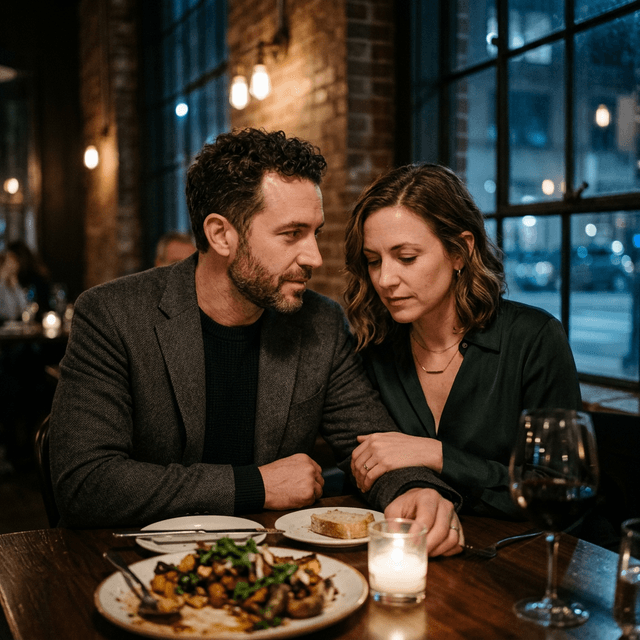
Plan ahead for date nights. Eat a small protein-and-vegetable snack before going out so you do not arrive starving. Order one shared starter, one main, and skip the second cocktail. The key is enjoying the experience without overshooting.
Vegan restaurants are not automatically healthier. Many use seed oils, refined flours, and high amounts of cashew cream or coconut oil to mimic dairy. Look for vegan spots that highlight whole vegetables and minimize processed substitutes.
If you are training for the Broad Street Run or a marathon, your carbohydrate needs are higher than usual. A larger pasta dish or rice bowl two nights before a long run can be useful. Skip the alcohol, hydrate well, and aim for an early bedtime.
Yes, you can use a continuous glucose monitor (CGM) to learn how specific restaurants affect your blood sugar. Most patients wear one for two weeks specifically to map their reactions. The data often changes which dishes you order on a regular basis.
Reading Terminal Market is a good lunch option if you focus on the right stalls. Salads, rotisserie chicken, smoked fish, and grilled vegetables are excellent. Skip the giant pretzels and the mass-produced cheesesteaks if metabolic health is the priority.
Philly brunch culture can fit into a longevity plan if you choose proteins and vegetables first. Eggs, smoked salmon, and avocado are great. The hidden traps are bottomless mimosas and pancakes the size of a hubcap. Pick one indulgence and skip the rest.
Most Philly restaurants now accommodate IBS and gluten sensitivity if you call ahead. Mention your needs when booking and again when you order. Vedge, P.S. & Co., and many farm-to-table restaurants are usually good options.
If you have food allergies, communicate clearly with the host when booking, restate it when you order, and double-check the dish when it arrives. The best Philly restaurants take allergies seriously and will adjust without complaint.
For business dinners, pre-eat a small protein snack so you arrive level. Order a sparkling water first, choose grilled or roasted dishes, and limit yourself to one alcoholic drink. You can stay engaged without overshooting.
Center City has more polished dining and easier business spots. Fishtown has more sourcing transparency and farm-to-table options. Both work well. The right pick depends on whether you want a corporate-friendly room or a vegetable-forward menu.
Healthier picks in Old City lean toward seafood and Mediterranean cuisine. Look for grilled fish, vegetable mezze, and olive oil-based dishes. Many of the historic district restaurants source from local farms, so check the menu for farm names.
Takeout from Philly restaurants is usually similar in quality to dine-in if you eat soon after pickup. The downside is that you skip the social and walking parts of the dinner experience, which both help blood sugar and stress.
Seasonal eating shifts your choices toward whatever is fresh that month. In summer, salads and grilled fish dominate. In winter, lean on root vegetables, braises, and grass-fed meats. Restaurants that change menus quarterly are usually the best bets.

Still have a question?

He answers personally. Usually within a few hours.

Related Intelligence

The Michelin Guide Comes to Philly (2025/2026): A Metabolic Perspective

The Michelin Guide Comes to Philly (2025/2026): A Metabolic Perspective

Michelin has arrived in Philadelphia. We look at the winners through a Medicine 3.0 lens: how to enjoy Philly's best food without breaking your biology.

Read Deep Dive
Metabolic Health

Metabolic Health

Why you feel tired at 3 PM, and how to fix it.

Read Deep Dive
Executive Physicals in Philadelphia: Strategy vs. Checkboxes

Executive Physicals in Philadelphia: Strategy vs. Checkboxes

Why a 'one-day physical' is often a poor use of $3,000, and how a relationship-based model gives executives better long-term value.

Read Deep Dive

Talk it through with Dr. Ash.

If anything you read here raised a question, this is a free 20-minute Warm Invitation Call. Pick a time and we’ll work through it together.

HSA/FSA eligible
No initiation or cancellation fees
No copays

Loading scheduler...

Having trouble with the scheduler? Book directly on Dr. Ash’s calendar

FishtownFish wrapped around the rod of AsclepiusMedicine
Philadelphia Primary Care
2418 E York St, Philadelphia, PA 19125Home visits in Greater Philadelphia

Serving Fishtown · Art Museum · Bella Vista · Callowhill · Center City · Center City West · Chestnut Hill · East Kensington · Fairmount · Fitler Square · Graduate Hospital · Logan Square · Manayunk · Northern Liberties · Old City · Olde Richmond · Poplar · Port Richmond · Queen Village · Rittenhouse · Roxborough · Society Hill · Southwark

Explore by topic

Women’s Health
  • Perimenopause
  • Menopause 3.0
  • PCOS
  • Fertility
Men’s Health
  • TRT Therapy
  • TRT Safety
  • TRT vs Enclomiphene
  • Low Libido
Metabolic
  • Medical Weight Loss
  • Ozempic vs Metformin
  • Fasting Protocols
  • Visceral Fat
Cardiovascular
  • apoB & Heart Health
  • apoB vs LDL
  • Lp(a) Cholesterol
  • ED & Heart Risk
Longevity + Performance
  • Healthspan vs Lifespan
  • Biological Age
  • VO2 Max
  • Zone 2 Training
Supplements
  • Magnesium
  • Creatine
  • Omega-3
  • Foundational Stack

Content is for educational purposes only and does not constitute medical advice.

TermsPrivacyScope of PracticeClinical Independence