
FishtownFish wrapped around the rod of AsclepiusMedicine
Philadelphia Primary Care
How It Works
What People Say
Patient reviews across 6 platforms
Articles
Symptoms
What your body is telling you
Treatments
Protocols, prescriptions, therapies
Longevity
Medicine 3.0 strategies
Heart Health & Risk
Protect your heart & vessels
Metabolism
Insulin, blood sugar, weight
Hormones
TRT, thyroid, menopause, andropause
Performance
VO2 max, muscle, sleep, gut
Playbooks
Step-by-step frameworks
About
Meet Dr. Ash
Your Physician
GERO·SPAN
Our Clinical Framework
FAQ
Common Questions
Book a Free Call
Low Blood Sugar and Reactive Hypoglycemia
Fishtown Medicine•6 min read
4.96 (124)

Low Blood Sugar and Reactive Hypoglycemia

Ashvin Vijayakumar MD

Medically Reviewed

Ashvin Vijayakumar MD•Updated May 23, 2026
On This Page
  • What Is Reactive Hypoglycemia?
  • What Are the Symptoms of a Blood Sugar Crash?
  • What Causes Reactive Hypoglycemia?
  • How Do You Treat Reactive Hypoglycemia?
  • Actionable Steps in Philly
  • Key Takeaways
  • Common Questions
  • What is the difference between reactive hypoglycemia and diabetes?
  • Can I have reactive hypoglycemia without prediabetes?
  • Is fruit safe if I have blood sugar crashes?
  • Why do I crash even when I eat oatmeal?
  • Can stress alone cause blood sugar crashes?
  • Will skipping breakfast help?
  • Does coffee cause blood sugar crashes?
  • Can I do a glucose tolerance test at home?
  • Deep Questions
  • Can perimenopause worsen blood sugar crashes?
  • Are GLP-1 medications useful for reactive hypoglycemia?
  • Does intermittent fasting help or hurt this?
  • Can berberine replace metformin for early insulin resistance?
  • Is magnesium really helpful for hypoglycemia?
  • Can pregnancy cause reactive hypoglycemia?
  • Does alcohol affect blood sugar crashes?
  • Can SSRIs and other psychiatric medications affect glucose?
  • What is the role of a 5-hour glucose tolerance test?
  • Can low thyroid cause hypoglycemia symptoms?
  • Are smoothies safe with reactive hypoglycemia?
  • Can chronic Lyme cause blood sugar instability?
  • How do I prevent the 3 AM wake-up?
  • Will my anxiety improve if I stabilize my blood sugar?
  • Is a CGM safe for non-diabetics?
  • Scientific References

Get a preventive doctor that knows you.

Consult Dr. Ash
TL;DR · 30-second take

Reactive hypoglycemia is a blood sugar crash that hits 1 to 4 hours after a meal, even without diabetes. It feels exactly like a panic attack because adrenaline rises to rescue the brain. We use a 14-day continuous glucose monitor and protein-forward meals to flatten the curve and stop the crashes.

Low Blood Sugar and Reactive Hypoglycemia

TL;DR: You do not need diabetes to crash on blood sugar. Reactive hypoglycemia happens when your sugar spikes after a meal and then plummets 1 to 4 hours later. The crash feels like a panic attack. At Fishtown Medicine, we use a continuous glucose monitor and a protein-forward meal pattern to flatten the curve and rebuild metabolic stability.
You eat a quick oatmeal-and-banana breakfast on the way to a meeting. Two hours later, your hands are shaking, your heart is racing, and you cannot focus on a sentence. You reach for a granola bar to feel normal again.
Dr. Ash
"A blood sugar crash is a metabolic emergency for your brain. That is why you feel panicked and desperate for sugar. I do not ask patients to use more willpower. I fix the biochemistry that drives the cravings."

What Is Reactive Hypoglycemia?

Reactive hypoglycemia is a sudden drop in blood sugar that happens 1 to 4 hours after a meal in someone who does not have diabetes. In a healthy system, blood sugar stays within a relatively narrow range. When the metabolism is starting to shift, often because of early insulin resistance, the body can overshoot insulin in response to a carb-heavy meal. The result is a sharp drop, then a wave of stress hormones to rescue the brain. This pattern is common in busy Philly professionals who skip breakfast, drink coffee on an empty stomach, and eat carb-forward lunches between meetings.

What Are the Symptoms of a Blood Sugar Crash?

The symptoms of a blood sugar crash are mostly driven by adrenaline. When sugar drops, your brain panics and floods the body with adrenaline to push glucose back up. The result feels almost identical to a panic attack.
  • Shakiness or trembling.
  • Sudden irritability, the "hangry" effect.
  • Racing heart or palpitations.
  • Fatigue, brain fog, or feeling disconnected.
  • Night sweats or waking at 3 AM with dread.
  • Intense cravings for sugar or caffeine to survive the dip.

What Causes Reactive Hypoglycemia?

Reactive hypoglycemia is usually caused by a stack of small factors, not one bad meal. The most common drivers we see include:
  • High-carb, low-protein meals. Smoothies, oatmeal, or toast on an empty stomach.
  • Caffeine on an empty stomach. Caffeine signals the liver to dump glucose, which then triggers an insulin response.
  • Chronic stress. High cortisol shifts insulin signaling and amplifies the crash.
  • Long meal gaps. Going too long between meals when your system is not yet metabolically flexible (able to switch easily between burning carbs and fat).
  • Restrictive dieting or rapid weight loss. The body becomes hyperresponsive to glucose swings.

How Do You Treat Reactive Hypoglycemia?

We treat reactive hypoglycemia by flattening the glucose curve so you never hit the peak that causes the crash. The plan layers nutrition, timing, movement, and targeted measurement.

Get Real Answers

Tired of being told your labs are 'normal'? Dr. Ash digs deeper.

Start Your Investigation
  1. Protein forward. Aim for 30 to 50 grams of protein in your first meal of the day.
  2. Order of operations. Eat fiber and protein before starch or fruit. The same meal in a different order can change your glucose curve by 30 percent.
  3. Strategic movement. A 10 to 15 minute walk after meals lets your muscles clear glucose without a heavy insulin spike.
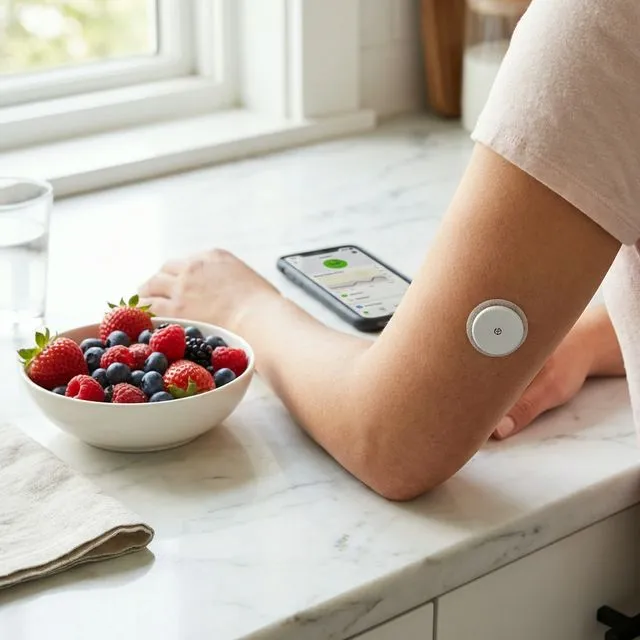
  4. CGM monitoring. A 14-day continuous glucose monitor (CGM) trial is the gold standard for finding the exact foods that crash your sugar.
  5. Supplement support. Magnesium glycinate calms the nervous system. Berberine or inositol can help in selected patients with insulin resistance.

Actionable Steps in Philly

A practical plan to break the crash cycle.
  1. Eat within 90 minutes of waking. Waiting too long can trigger a morning cortisol spike that sets up the rest of the day's crashes.
  2. No naked carbs. Never eat fruit or starch alone. Pair them with fat or protein, like an apple with almond butter or oatmeal with eggs.
  3. Audit your 3 AM wake-ups. If you wake at 3 AM with a racing heart, log it. It is often a nocturnal crash, not insomnia alone.
  4. Wear a CGM for 14 days. Brands like Stelo (over-the-counter from Dexcom) or Lingo make it easy to see your specific patterns.
  5. Get the right labs. Ask for fasting insulin, hemoglobin A1c, fasting glucose, and a HOMA-IR calculation (a formula that combines fasting insulin and glucose to estimate insulin resistance).

Key Takeaways

  • Crashes happen 1 to 4 hours after eating. They are not random.
  • Symptoms feel like panic. That is adrenaline rescuing the brain.
  • Protein and timing. The two most powerful first-line tools.
  • CGMs find triggers. Generic advice fails. Personal data wins.

Scientific References

  1. Galati SL, Rayfield EJ. "Reactive hypoglycemia." Endocrinology and Metabolism Clinics of North America. 1999.
  2. Kreisman SH, et al. "Glucose counterregulation and exercise." Diabetes. 2003.
  3. Hall H, et al. "Glucotypes reveal new patterns of glucose dysregulation." PLOS Biology. 2018.
  4. Yoshida Y, et al. "Berberine and metabolic syndrome." Phytomedicine. 2017.
  5. Barbagallo M, Dominguez LJ. "Magnesium and type 2 diabetes." World Journal of Diabetes. 2015.
Medical Disclaimer: This resource provides clinical context for educational purposes. In the world of Precision Medicine, there is no "one size fits all". The right protocol must be matched to your unique lab work, physiology, and goals. Consult Dr. Ash to determine if this approach is right for you, especially if you have chronic health conditions or are taking prescription medications.
Ashvin Vijayakumar MD (Dr. Ash) is a board-certified internal medicine physician specializing in preventive medicine and healthspan optimization at Fishtown Medicine in Philadelphia.

Ashvin Vijayakumar MD (Dr. Ash)

Fishtown Medicine | Symptoms

2418 E York St, Philadelphia, PA 19125·(267) 360-7927·hello@fishtownmedicine.com·HSA/FSA Eligible

Schedule a Consult

Frequently Asked Questions

Common Questions

Reactive hypoglycemia is a blood sugar drop that happens after meals in someone without diabetes. Diabetes is a sustained pattern of high blood sugar. Reactive hypoglycemia often appears in the early stages of insulin resistance, years before diabetes shows up on standard labs.
Yes, you can have reactive hypoglycemia without prediabetes. The most common pattern is a sharp insulin overshoot in someone whose hemoglobin A1c is still under 5.7 percent. Fasting insulin and a CGM often catch the issue before A1c moves.
Fruit is safe with blood sugar crashes if you pair it with protein or fat. The fiber in whole fruit slows absorption, but eating fruit alone can still spike glucose in sensitive patients. An apple with almond butter or berries with Greek yogurt is a steadier combination than fruit alone.
You crash on oatmeal because oats are high in carbohydrate that converts quickly to glucose. The fiber slows it a bit, but on an empty stomach, oats still spike many people. Adding eggs, Greek yogurt, or a scoop of protein powder usually flattens the curve.
Yes, stress alone can cause blood sugar crashes through cortisol-driven swings. High cortisol pushes the liver to dump glucose, which prompts an insulin response, which sets up a crash a few hours later. Stress and food work as a team in most patients.
Skipping breakfast helps some patients with metabolic flexibility, but it tends to worsen reactive hypoglycemia early on. If you crash 1 to 4 hours after meals, eat within 90 minutes of waking and prioritize protein. Once your glucose stabilizes, intermittent fasting can be revisited.
Yes, coffee on an empty stomach can cause blood sugar crashes through a cortisol-driven liver glucose dump. Adding food, even a small protein-forward bite, usually prevents the swing. Black coffee with eggs or Greek yogurt is a safer pairing for sensitive patients.
You can approximate a glucose tolerance test at home with a CGM by tracking your response to a controlled meal. A formal 5-hour oral glucose tolerance test in a lab is more sensitive for diagnosing reactive hypoglycemia. We use both tools, depending on the question we are trying to answer.

Deep-Dive Questions

Yes, perimenopause and menopause shift insulin sensitivity, which often worsens blood sugar swings. Falling estrogen reduces insulin sensitivity in muscle and increases central fat storage. We test full hormones and address sleep, which often takes the biggest hit during this transition.
GLP-1 medications can help selected patients with reactive hypoglycemia by smoothing post-meal glucose curves and slowing gastric emptying. We do not use them as a first step. Most patients respond well to nutrition, timing, sleep, and a CGM trial first. Medication enters the picture when lifestyle work is not enough.
Intermittent fasting can help once metabolic stability is achieved, but it usually worsens reactive hypoglycemia early on. The body needs to relearn how to switch between fuel sources. Once a patient is steady on protein-forward meals, we explore short fasting windows in some cases.
Berberine has reasonable evidence for lowering glucose and improving insulin sensitivity, with effects roughly similar to lower-dose metformin in some studies. Berberine is a plant alkaloid found in goldenseal and barberry. We use it in selected patients with early insulin resistance who prefer a non-prescription path.
Magnesium does not directly raise blood sugar, but it stabilizes the nervous system and supports insulin signaling. Many patients with reactive hypoglycemia run low on magnesium, especially if they sweat heavily, drink alcohol, or are on PPIs. Magnesium glycinate at 200 to 400 mg before bed is a common first dose.
Yes, pregnancy can trigger reactive hypoglycemia, especially in the first trimester before placental hormones shift insulin sensitivity. Frequent small meals with protein at each one usually help. Severe symptoms warrant evaluation for gestational diabetes despite normal screening.
Yes, alcohol is one of the biggest triggers for nocturnal hypoglycemia. The liver prioritizes processing alcohol and stops releasing glucose, which can drop your blood sugar in the middle of the night. Eating before drinking and limiting to 1 to 2 drinks is the practical guideline.
Yes, several psychiatric medications can affect glucose. SSRIs are mostly neutral, but mirtazapine and many atypical antipsychotics raise insulin resistance. Stimulants for ADHD often suppress appetite and can mimic crashes. We coordinate with the prescriber rather than ask patients to stop on their own.
A 5-hour oral glucose tolerance test is the most sensitive way to formally diagnose reactive hypoglycemia. The patient drinks a glucose load and has glucose and insulin measured over 5 hours. We order it when CGM data and history are ambiguous, or when we want to document a specific pattern.
Yes, low thyroid (hypothyroidism) can cause symptoms that overlap with hypoglycemia, including fatigue, brain fog, and shakiness. The mechanism is different. We screen with a full thyroid panel (TSH, free T3, free T4, reverse T3, antibodies) so we are not chasing the wrong target.
Smoothies are safe if they are protein-forward. Aim for at least 30 grams of protein per smoothie, mostly from whey or pea protein, plus fiber and a small amount of fat. A pure fruit smoothie is one of the most reliable ways to trigger a crash.
Chronic Lyme and other tick-borne infections can affect autonomic balance and metabolism, which sometimes shows up as blood sugar instability. We screen when the history fits (hiking the Wissahickon, time in the Poconos or South Jersey). Treatment is nuanced and often involves a Lyme-literate partner physician.
To prevent the 3 AM wake-up driven by blood sugar, eat a small protein-and-fat snack 1 to 2 hours before bed (Greek yogurt, almond butter on apple, or a hard-boiled egg). Limit alcohol, which causes mid-night crashes. A CGM overnight will confirm whether glucose is the culprit.
Yes, anxiety often improves dramatically when blood sugar stabilizes, especially the panicky type that hits between meals or at night. Many patients find that fixing the metabolic layer reduces the need for other anxiety tools. We treat both layers when both are present.
Yes, a CGM is safe for non-diabetics and is now available over the counter (Stelo, Lingo). The data is most useful when interpreted with a clinician who can connect glucose patterns to symptoms, food, sleep, and stress. We use 14-day trials in most patients with reactive hypoglycemia.

Still have a question?

He answers personally. Usually within a few hours.

Related Intelligence

Metabolic Health

Metabolic Health

Why you feel tired at 3 PM, and how to fix it.

Read Deep Dive
Longevity Strategies | Fishtown Medicine

Longevity Strategies | Fishtown Medicine

Strategies to extend your healthspan and optimize lifespan in Philadelphia.

Read Deep Dive
Erectile Dysfunction in Men: The Workup, the Treatments, the Honest Conversation

Erectile Dysfunction in Men: The Workup, the Treatments, the Honest Conversation

ED is treatable, common, and often the earliest warning sign of vascular disease. The thoughtful workup, the medications that actually work, when to escalate, and the lifestyle and psychological layers that matter.

Read Deep Dive

Talk it through with Dr. Ash.

If anything you read here raised a question, this is a free 20-minute Warm Invitation Call. Pick a time and we’ll work through it together.

HSA/FSA eligible
No initiation or cancellation fees
No copays

Loading scheduler...

Having trouble with the scheduler? Book directly on Dr. Ash’s calendar

FishtownFish wrapped around the rod of AsclepiusMedicine
Philadelphia Primary Care
2418 E York St, Philadelphia, PA 19125Home visits in Greater Philadelphia

Serving Fishtown · Art Museum · Bella Vista · Callowhill · Center City · Center City West · Chestnut Hill · East Kensington · Fairmount · Fitler Square · Graduate Hospital · Logan Square · Manayunk · Northern Liberties · Old City · Olde Richmond · Poplar · Port Richmond · Queen Village · Rittenhouse · Roxborough · Society Hill · Southwark

Explore by topic

Women’s Health
  • Perimenopause
  • Menopause 3.0
  • PCOS
  • Fertility
Men’s Health
  • TRT Therapy
  • TRT Safety
  • TRT vs Enclomiphene
  • Low Libido
Metabolic
  • Medical Weight Loss
  • Ozempic vs Metformin
  • Fasting Protocols
  • Visceral Fat
Cardiovascular
  • apoB & Heart Health
  • apoB vs LDL
  • Lp(a) Cholesterol
  • ED & Heart Risk
Longevity + Performance
  • Healthspan vs Lifespan
  • Biological Age
  • VO2 Max
  • Zone 2 Training
Supplements
  • Magnesium
  • Creatine
  • Omega-3
  • Foundational Stack

Content is for educational purposes only and does not constitute medical advice.

TermsPrivacyScope of PracticeClinical Independence