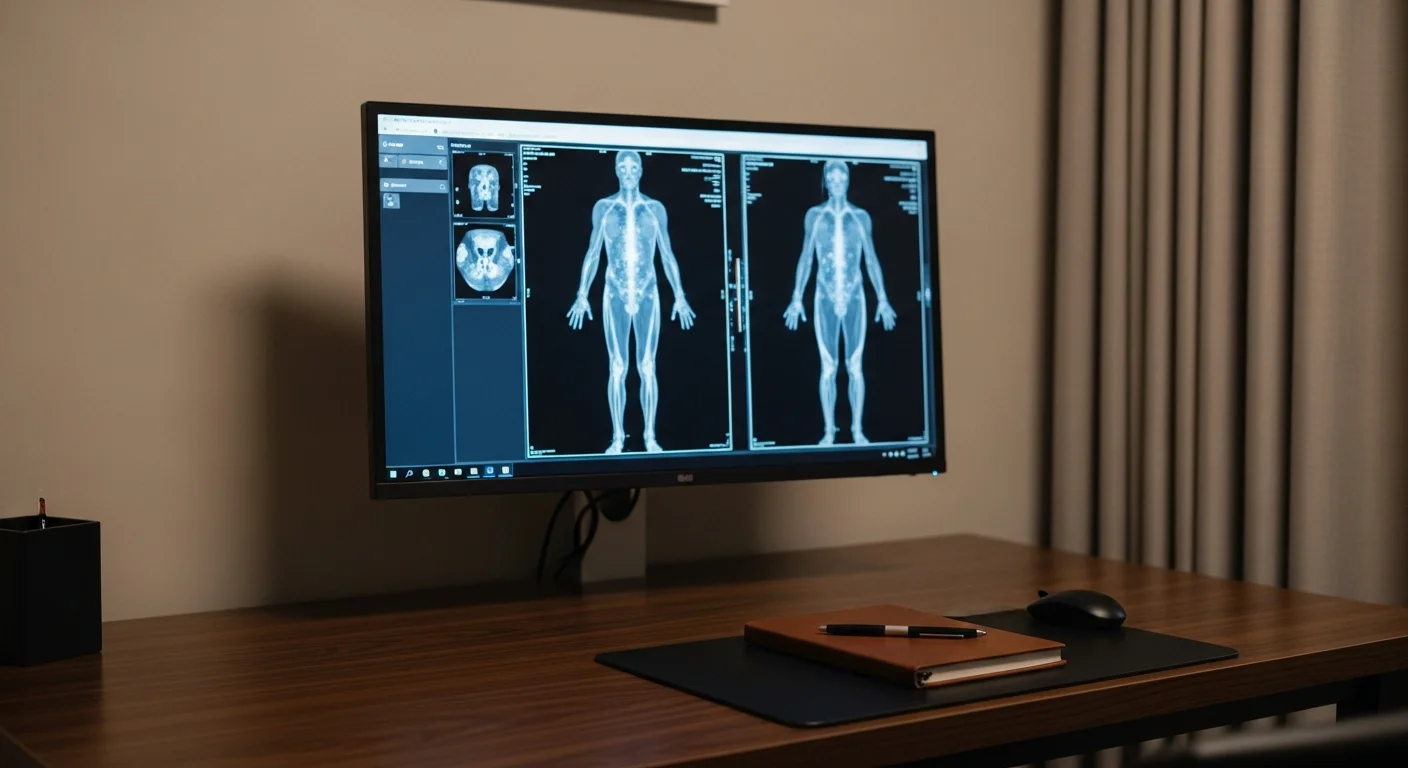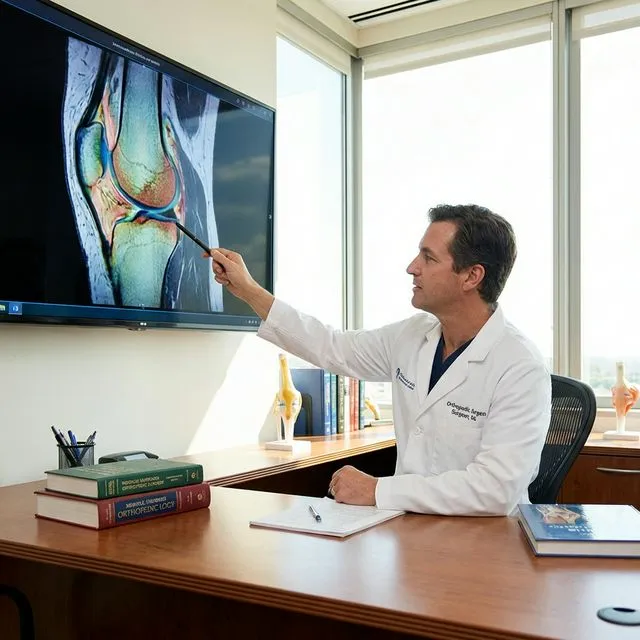

Bone and joint imaging includes X-ray for fractures and arthritis, musculoskeletal ultrasound for tendons and ligaments, and MRI for soft tissue injuries like discs and ACL tears. We start simple and only move to MRI when the answer changes the treatment plan, particularly since most back pain resolves without imaging.
Whether it is a "crack" in the ankle on the El station stairs or a dull ache in the lower back from desk work, choosing the right imaging tool is the first step to recovery. At Fishtown Medicine, we balance the speed of X-rays with the deep-tissue detail of MRIs to keep your performance and longevity on track.
Bad imaging decisions can put healthy people on the sidelines for months. Good imaging decisions answer one question and clear the path back to movement.
What is the first-line evaluation for bone and joint pain?
The first-line evaluation for bone and joint pain usually starts with the simplest tool that can answer the clinical question. We rule out major structural problems before ordering anything fancy.
- X-rays: Fast and low-radiation, X-rays catch fractures, dislocations, and severe arthritis. Easily available at any local Philadelphia imaging center.
- Musculoskeletal ultrasound: Perfect for moving tissues like shoulders and knees. We use it to look at tendons, ligaments, and fluid in real time, and we can guide injections with it too.
When do we move to advanced imaging?
We move to advanced imaging when first-line tools cannot answer the clinical question. The two main advanced options are:
- MRI: The gold standard for soft tissue. If we suspect a labral tear, herniated disc, or ACL injury, an MRI is the right call. No radiation, but the scan takes 30 to 60 minutes in a tube, so tell us early if you have struggled inside a scanner before.
- CT scan (bone-specific): Used for complex fractures where we need a 3D view of bone with high precision, particularly around the spine, pelvis, or wrist.
Why is "wait and see" the right rule for back pain?
"Wait and see" is the right rule for most back pain because early MRIs often lead to worse outcomes, not better ones. Here is why:
- Most back pain is muscular or fascial and resolves with nervous system regulation and gentle movement within 4 to 6 weeks.
- MRIs in healthy 40-year-olds frequently show "degenerative changes" that have been there for years and are not the source of the current pain.
- Patients who get early MRIs are more likely to receive injections, surgery, and disability claims, even when the imaging findings are unrelated to their symptoms.
We hold off on imaging unless there are specific red flags. The flags are listed below.
Some joint problems are lab questions wearing a joint costume, and a scan sends them the wrong way. Stiffness that arrives suddenly across both shoulders and hips in someone over 50, worst in the morning, is polymyalgia rheumatica until proven otherwise, and a sed rate answers it. A shoulder that has slowly lost range in every direction is often frozen shoulder, which tracks with blood sugar closely enough that an A1c belongs in the workup.
What are the bone and joint imaging options compared?
Bone and joint imaging options compared:
| Tool | Best For | Pros | Cons |
|---|---|---|---|
| X-Ray | Fractures, arthritis. | Lowest cost, fast. | Cannot see soft tissue. |
| Ultrasound | Tendons, rotator cuff. | Dynamic, can move the joint. | Operator-dependent. |
| MRI | Ligaments, spine, discs. | Extreme detail. | Highest cost; no metal. |
| CT Bone | Complex fractures. | 3D structural detail. | Uses radiation. |
| DEXA | Bone density. | Gold standard for osteoporosis. | Limited to bone density. |
Guidance from the clinic
Fishtown Medicine
A 90-minute conversation with Dr. Ash. A written plan you can follow.

Red Flags: When Imaging Cannot Wait
Seek immediate evaluation if your bone or joint pain includes:
- Sudden incontinence: Any loss of bowel or bladder control with back pain is a neurological emergency.
- Saddle numbness: Loss of sensation in the groin or inner thighs.
- Night pain: Intense pain that wakes you and does not change with position.
- Trauma plus deformity: A limb that looks visibly out of place or cannot bear any weight.
- Fever plus joint swelling: Suggests a possible joint infection (septic arthritis).
Key Takeaways
- X-rays find broken bones; MRIs find torn tissues.
- Most back pain resolves without imaging in 4 to 6 weeks.
- Musculoskeletal ultrasound is a high-value tool for sports injuries.
- Clinical assessment matters more than the picture.
A note on cost: any discount we negotiate on labs and imaging passes straight through to you, with no markup. Our affordable labs and imaging guide covers how the billing works.
Scientific References
- Brinjikji W, et al. "Systematic Literature Review of Imaging Features of Spinal Degeneration in Asymptomatic Populations." American Journal of Neuroradiology. 2015.
- Chou R, et al. "Imaging strategies for low-back pain: systematic review and meta-analysis." The Lancet. 2009.
- Smith J, et al. "Diagnostic ultrasound of the shoulder: a state-of-the-art review." PM&R. 2015.
- Cosman F, et al. "Clinician's Guide to Prevention and Treatment of Osteoporosis." Osteoporosis International. 2014.
Dr. Ash is a board-certified internal medicine physician specializing in preventive medicine and healthspan optimization at Fishtown Medicine in Philadelphia.
Related at Fishtown Medicine
- Knee Injuries and Sprains - the exam-first evaluation these imaging decisions belong to
- Same-Day Sick Visits in Philadelphia - how acute care works here, injuries included

Frequently Asked Questions
Common Questions
Deep-Dive Questions
Ready when you are
The chat is our AI assistant, answering from our published guides. To talk it through with Dr. Ash himself, start with the intake.