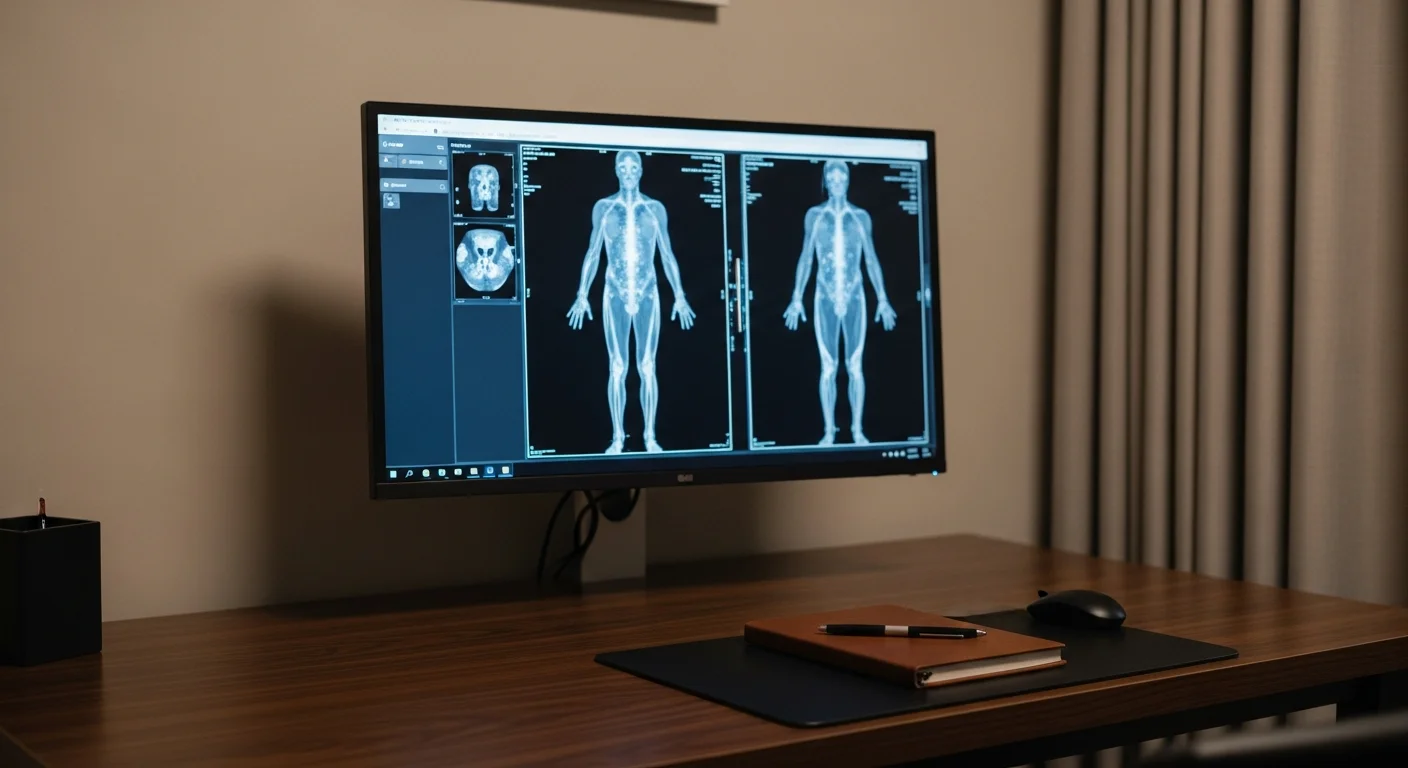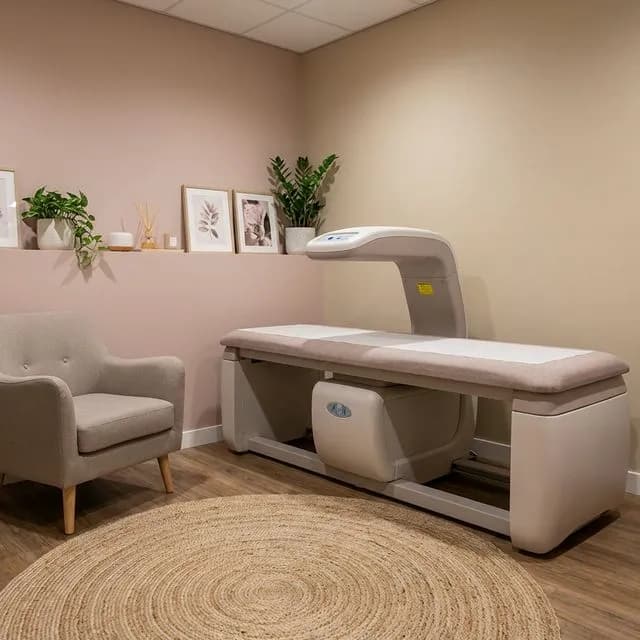

Women's preventive imaging includes mammograms (annual or biennial from 40), breast MRI for high-risk patients, DEXA scans for bone density (typically from 65 or earlier with risk factors), and pelvic ultrasound for symptoms. We personalize timing based on genetics, family history, breast density, and life stage rather than one-size-fits-all guidelines.
Preventive imaging is the cornerstone of early detection. At Fishtown Medicine, we move beyond standard guidelines to personalize your screening timeline based on your genetics, family history, and personal values. Whether it is a mammogram, a DEXA scan, or a comprehensive women's audit, we make sure you have the highest-resolution data on your health.
The standard guidelines work for the average woman. They do not work for the woman with dense breasts, a BRCA mutation, or early menopause. Personalization is the whole point.
What is the essential screening roadmap?
The essential screening roadmap is the evidence-based baseline we then personalize for you. Standard recommendations include:
- Mammograms: Annually or every other year for women ages 40 to 74. Earlier and more frequent if there is a strong family history or a known genetic mutation.
- DEXA scans: The gold standard for diagnosing osteoporosis. Typically starting at age 65, or earlier for women in early menopause, with low body weight, on chronic steroids, or with other risk factors.
- Pelvic ultrasounds: Used to investigate pelvic pain, abnormal bleeding, or to check IUD placement. Not a routine screening test.
- Cervical cancer screening: Pap smear and HPV testing on the standard guideline schedule, coordinated with your gynecologist.
Cancer screening is the part women are reminded about. The larger risk is the one nobody sends a postcard for, which is why we run the cardiovascular workup alongside it and why heart disease in women presents and gets missed differently than it does in men.
Breast health: how do we move beyond 2D?
Breast health imaging moves beyond 2D mammograms whenever the basic mammogram cannot answer the clinical question. A standard mammogram is essential, but it is not the only tool. Depending on your tissue density and risk, we may add:
- 3D mammography (tomosynthesis): Slightly higher detection rate than 2D, particularly in dense breasts. Now the standard at most modern centers.
- Breast ultrasound: Used to clarify if a lump is a fluid-filled cyst or a solid mass, and as supplemental screening in dense breasts.
- Breast MRI: The most sensitive screening tool, recommended for women with a 20% or higher lifetime risk, BRCA1/BRCA2 mutations, a history of chest radiation, or strong family history. We help facilitate the prior authorizations needed.
- Contrast-enhanced mammography (CEM): An emerging option for high-risk women who cannot tolerate MRI.
Bone health: what is the role of the DEXA scan?
The role of the DEXA scan is to measure bone mineral density (BMD), the gold standard for diagnosing osteopenia and osteoporosis. Skeletal health is a key component of longevity, particularly after menopause when bone loss accelerates.
- We look at the T-score of your hip and spine, plus your FRAX score (10-year fracture risk).
- We use this data to build your strength and resistance training plan so you maintain independent mobility throughout your life.
- For women with significant bone loss, we discuss bisphosphonates, denosumab, or anabolic agents like teriparatide, alongside vitamin D, calcium, and protein optimization.
Guidance from the clinic

Fishtown Medicine
A 90-minute conversation with Dr. Ash. A written plan you can follow.
Actionable Steps for Preventive Defense
Do not skip the essentials.
- Audit your density: If a mammogram noted "dense breasts," text Dr. Ash to ask whether ultrasound or MRI is the right next step.
- Anchor your DEXA: Get a baseline bone density scan within the first few years of menopause to track your rate of change.
- Map your family history: Bring a clear three-generation history. Cancers, heart disease, age of diagnosis, all matter.
- Report changes early: Any new lump, nipple discharge, or sudden pelvic pain needs a clinical exam rather than a delay until next years mammogram. What happens after you find a breast lump walks through the workup in order, and you can reach out immediately.
Key Takeaways
- Mammograms typically start at 40 (earlier with high risk).
- DEXA scans are essential for protecting against osteoporosis.
- Breast MRI is the high-resolution option for high-risk patients.
- Early detection is one of the most powerful tools in women's health longevity.
A note on cost: any discount we negotiate on labs and imaging passes straight through to you, with no markup. Our affordable labs and imaging guide covers how the billing works.
Scientific References
- Monticciolo DL, et al. "Breast Cancer Screening for Women at Higher-Than-Average Risk." Journal of the American College of Radiology. 2018.
- Cosman F, et al. "Clinician's Guide to Prevention and Treatment of Osteoporosis." Osteoporosis International. 2014.
- Saadatmand S, et al. "MRI versus mammography for breast cancer screening in women with familial risk (FaMRIsc)." The Lancet Oncology. 2019.
- Manchanda R, et al. "Cost-effectiveness of population-based BRCA1, BRCA2 mutation testing." JAMA Oncology. 2018.
Dr. Ash is a board-certified internal medicine physician specializing in preventive medicine and healthspan optimization at Fishtown Medicine in Philadelphia.

Frequently Asked Questions
Common Questions
Deep-Dive Questions
Ready when you are
The chat is our AI assistant, answering from our published guides. To talk it through with Dr. Ash himself, start with the intake.