
A personalized care plan at Fishtown Medicine cross-references your advanced labs, wearable data, and lived experience to build a strategic roadmap rather than a template. We use a four-stage process (data collection, pattern recognition, goal setting, refinement) so the plan fits your biology and your life.
A personalized health strategy is built for one person at a time. At Fishtown Medicine, we build each plan by combining advanced lab data, wearable trends, family history, and the goals that matter to you. The result is a roadmap that fits your biology, your stage of life, and the trade-offs you want to make.
Why does template medicine fail so often?
Most healthcare systems are designed around efficiency rather than the individual. When you visit a traditional primary care office in Philadelphia, the physician usually has 12 minutes with you. To survive that pace, the system relies on standardized templates. If you have "high cholesterol," you get the cholesterol template. If you have "fatigue," you get the basic labs template.
Template medicine ignores the specific context of your life. Your ApoB level might look "normal" for the template but be high for someone with your family history. A template cannot account for your stress load, your sleep architecture, or your goal to still be hiking in your 80s.
How does Fishtown Medicine build your personalized health strategy?
Building a personalized health strategy at Fishtown Medicine follows a four-stage process that moves from data collection to ongoing refinement.
1. Deep Data Collection
We start with a detailed data set that traditional systems often skip:
- Advanced Biomarkers: fasting insulin, ApoB, Lp(a), and inflammatory markers like hs-CRP.
- Wearable Integration: trends from your Oura, Whoop, or Apple Watch that show how your body recovers from one day to the next.
- Lived Experience: 60 to 90 minutes during your initial visit just listening to your history and goals.
2. Strategic Pattern Recognition
Once we have the data, we look for connections. Instead of treating each number on its own, we look at how the systems interact. A subtle thyroid change may show up in your Oura recovery score, which then drags on your metabolic flexibility.
3. Collaborative Goal Setting
Your personalized health strategy has to line up with what you want. We partner with you rather than dictate. We talk through the trade-offs of each option (medication, structured lifestyle change, deeper testing) so you can make an informed decision about your own health.
4. Continuous Refinement
Health keeps changing, and your strategy should change with it. We use ongoing data (follow-up labs every 3 to 6 months, CGM trends, recovery scores) to refine the plan, so we keep moving toward optimization instead of settling for "staying normal."
Guidelines from the Clinic
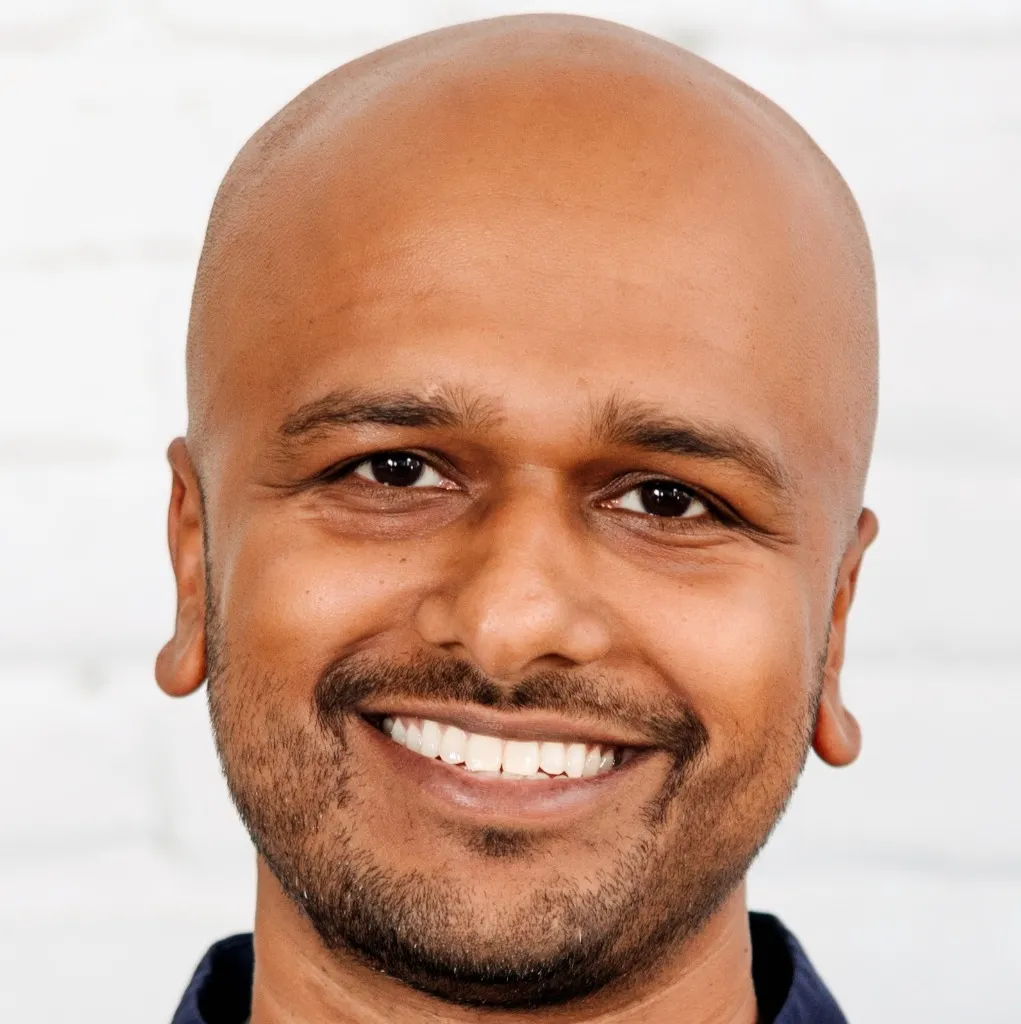
How Fishtown Medicine approaches strategy
At Fishtown Medicine, Data and Clinical Context are the two halves of a whole. We use the GER·O·SPAN as the framework for every plan: three Fundamentals we move together (Sleep, Physical Activity, Nutrition), three Modulators we read first (Genetics, Environment, Relationships), and our shared work in the middle, which reflects the work we do together to get somewhere specific: to hit the targets you set, to move the numbers that are off, and to reach the outcomes you came in for.
I have seen the system break when physicians are forced to treat patients like widgets. We chose the Direct Primary Care (DPC) model so we have the time to do this work properly. When we build your personalized health strategy, we are looking decades ahead, well beyond your next appointment.
Actionable Steps for Philly
Start taking ownership of your health strategy today.
- Gather Your Raw Data: If you have had labs done in the last 12 months, request the PDF copies. Do not settle for the "Normal" notification in your portal.
- Audit Your Recovery: Look at your wearable data for the last 30 days, and note whether your Heart Rate Variability (HRV) is trending up or down.
- Identify Your North Star: Write down one health goal for who you want to be at age 85, then ask whether your current care plan supports that version of you.
Dr. Ash is a board-certified internal medicine physician specializing in preventive medicine and healthspan optimization at Fishtown Medicine in Philadelphia. He takes a systems-thinking approach to help patients extend their healthspan rather than treat symptoms alone.

Scientific References
- Sniderman AD, et al. "Apolipoprotein B Particles and Cardiovascular Disease: A Narrative Review." JAMA Cardiology. 2019.
- Lechner K, et al. "Lifestyle factors and high-risk atherosclerosis: Pathways and mechanisms beyond traditional risk factors." European Journal of Preventive Cardiology. 2020.
- Attia P. "Outlive: The Science and Art of Longevity." Harmony Books. 2023.
- Roberts MD, et al. "Direct Primary Care: An Innovative Alternative to Conventional Health Insurance." American Family Physician. 2022.
Frequently Asked Questions
Common Questions
Deep-Dive Questions
Ready when you are
The chat is our AI assistant, answering from our published guides. To talk it through with Dr. Ash himself, start with the intake.