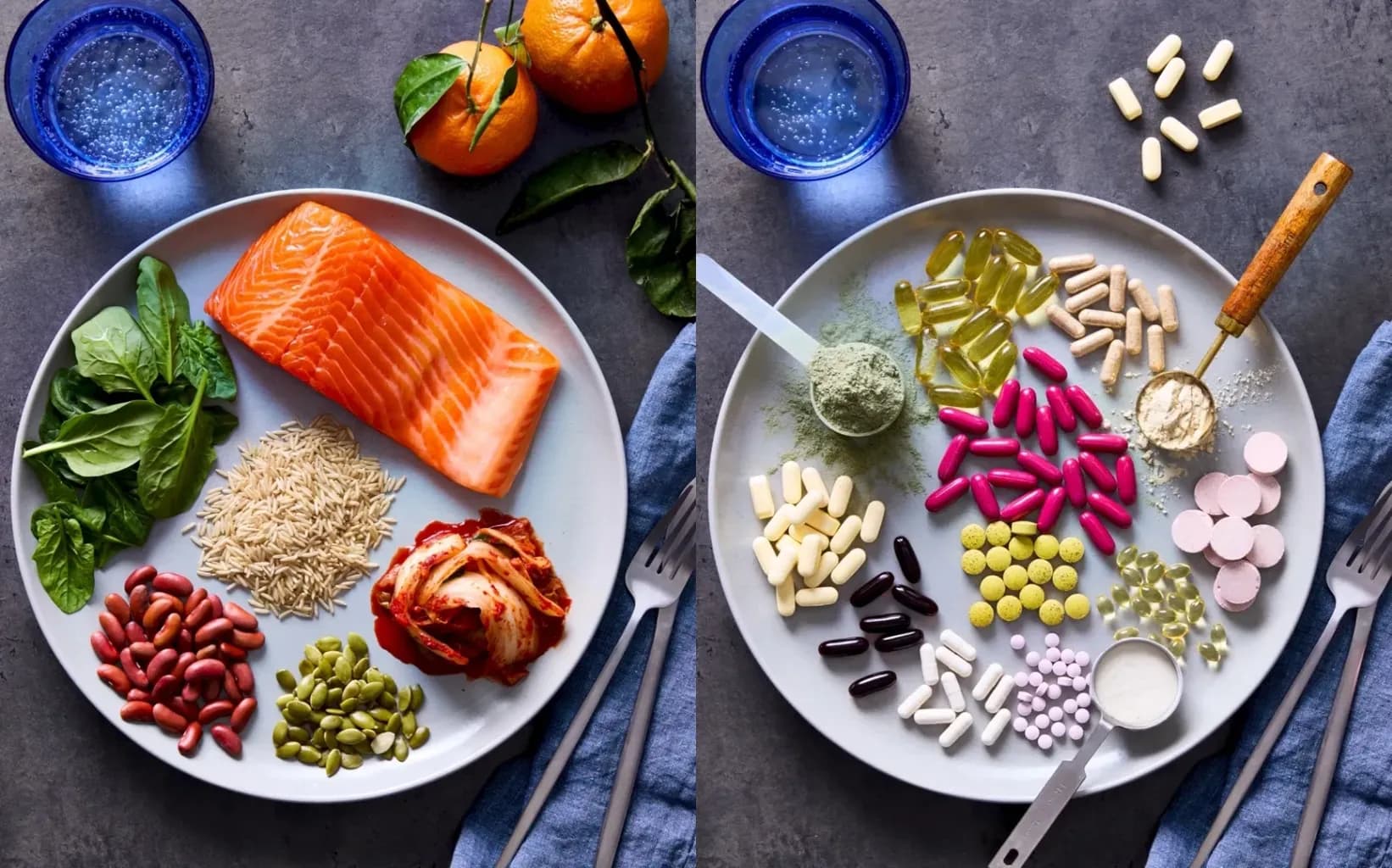

The single most effective way to prevent kidney stones is to drink enough fluid to make at least 2.5 liters of urine a day, which roughly halves the chance of a repeat stone. The most common mistake is cutting dietary calcium: for the usual calcium-oxalate stone, normal calcium from food, taken with meals, binds oxalate in the gut and lowers risk, while a low-calcium diet makes stones worse. A DASH-style diet with less salt, moderate animal protein, and plenty of fruits and vegetables lowers risk by around 40%. Because stones often travel with insulin resistance and metabolic syndrome, and uric acid stones most of all, prevention also means treating the whole metabolic picture. Recurrent or high-risk stones warrant a 24-hour urine workup and sometimes medication.
TL;DR: The biggest lever in kidney stone prevention is fluid: drink enough to make at least 2.5 liters of urine a day and you roughly halve your chance of another stone. The most common mistake is cutting calcium. For the usual calcium-oxalate stone, normal calcium from food, eaten with meals, binds oxalate in the gut and lowers risk, while a low-calcium diet makes stones worse. Beyond that, a DASH-style diet with less salt, moderate animal protein, and lots of fruits and vegetables lowers risk by around 40%. Stones also travel with insulin resistance and metabolic syndrome, so prevention often means fixing the same problems behind heart and liver disease. Recurrent or unusual stones deserve a 24-hour urine workup and sometimes medication.
If you have passed a kidney stone, you already know it is one of the more memorable kinds of pain, and the fear of a repeat is its own motivation. The good news is that stones are among the most preventable conditions in medicine, and much of the standard advice people are given is out of date. This guide lays out what the evidence supports, in the order that matters most.
What are kidney stones, and who gets them?
Kidney stones are hard deposits that form when the urine gets concentrated enough for minerals to crystallize and clump together. They come in a few types. The large majority, roughly three-quarters to 80%, are calcium stones, mostly calcium oxalate. Uric acid stones make up about 5 to 10% and are closely tied to metabolic problems, as you will see. Struvite stones form from certain urinary infections, and cystine stones are a rare inherited type that shows up young and recurs hard.
Stones have become more common. A national survey found that about 1 in 11 American adults has had a kidney stone, up sharply from a generation ago, and the rise tracks the parallel rise in obesity and diabetes.1 They also come back: without prevention, about half of people who form one stone form another within 5 to 10 years. That recurrence rate is what a good prevention plan is built to lower.
Are kidney stones a sign of a metabolic problem?
For many people, yes, and this is the part most stone advice misses. Kidney stones cluster with obesity, insulin resistance, type 2 diabetes, high blood pressure, and gout, the same web of dysfunction that drives heart and liver disease. In three large cohorts, higher body weight and weight gain independently raised the risk of forming a stone, in part because a larger body excretes more calcium, oxalate, and uric acid into the urine.8
The link is tightest for uric acid stones, and the mechanism is worth understanding. Insulin normally helps the kidney make ammonia, which buffers acid and keeps the urine from getting too acidic. When the body becomes insulin resistant, that buffering falters, the urine turns more acidic, and uric acid drops out of solution and forms stones.7 The takeaway is striking: a uric acid stone can be the first visible sign of the same insulin resistance that raises your triglycerides and fats your liver. That is why we read a stone as a metabolic clue rather than an isolated plumbing event.
How do you prevent kidney stones?
The single highest-yield step, proven in a randomized trial, is drinking more fluid. When researchers assigned first-time stone formers to either high water intake or usual habits and followed them for 5 years, the high-fluid group cut recurrences roughly in half, about 12% versus 27%, and went longer before any repeat.2 The target is a urine output of at least 2.5 liters a day, which for most people means drinking around 2.5 to 3 liters, more in summer heat or with hard exercise. Water is the workhorse, and this one habit outperforms every pill.
After fluid, the pattern of your diet matters more than any single food. A DASH-style diet, the same one used for blood pressure, with abundant fruits and vegetables, low-fat dairy, whole grains, less salt, and less red meat, was linked to about 40 to 45% lower stone risk across three large cohorts.6 It works because it delivers the whole evidence-based bundle at once: more calcium, potassium, and citrate, and less sodium and animal-protein acid load.
Should you avoid calcium if you get kidney stones?
This is the biggest myth in stone prevention, and getting it wrong makes stones worse. The intuition is that since most stones contain calcium, you should eat less of it. The opposite is true for the usual calcium-oxalate stone. Calcium eaten with a meal binds oxalate in the gut, so less oxalate gets absorbed and ends up in the urine, and urinary oxalate is a stronger driver of stones than urinary calcium.
The evidence here is strong. In a study of over 45,000 men, those with the highest dietary calcium intake had a lower risk of stones rather than a higher one.3 A later study in women found the same protective effect from food calcium.4 And in a landmark randomized trial, men with recurrent calcium stones who ate a normal-calcium, low-salt, low-animal-protein diet had about half the recurrences of men put on a traditional low-calcium diet; the low-calcium group saw their urinary oxalate rise.5 The aim is around 1,000 to 1,200 milligrams of calcium a day from food, spread across meals.
One distinction matters. The risk signal falls on isolated high-dose calcium pills taken on an empty stomach, while calcium from food, or a supplement taken with a meal, is protective or neutral.4 So if you take a calcium supplement for bone health, take it with food rather than between meals.
What about oxalate, salt, protein, and vitamin C?
A few other levers round out the diet:
- Oxalate: target, do not eliminate. A strict low-oxalate diet is usually unnecessary and can backfire, since people who slash oxalate often cut protective calcium too. Much of the oxalate in urine is made by the body rather than eaten. The better move is to go easy on the true high-oxalate outliers, spinach, rhubarb, beets, almonds and other nuts, and wheat bran, and to eat a calcium source alongside them so the two bind in the gut.
- Sodium: keep it moderate. A high salt intake pulls more calcium into the urine, so aim under about 2,300 milligrams of sodium a day.
- Animal protein: moderate, do not overdo. Large amounts of meat raise the acid and uric acid load and lower urinary citrate, a natural stone inhibitor. Protein itself is fine; it is the excess that pushes stones.
- Vitamin C: skip the megadoses. High-dose vitamin C converts to oxalate in the body. In a study of Swedish men, supplement doses around 1,000 milligrams a day were tied to roughly double the stone risk, while ordinary food vitamin C and multivitamins were not.9
Get Real Answers
Tired of being told your labs are 'normal'? Dr. Ash digs deeper.
One common belief needs correcting: cranberry is a tool for urinary tract infections rather than stones. The evidence in stones is mixed, and for some calcium-oxalate formers cranberry may raise urinary oxalate, so it is not a reliable stone-prevention drink.
When do you need a workup or medication?
Fluid and diet handle most stone prevention, but some situations call for more. If you have recurrent stones, a single stone plus higher-risk features (metabolic syndrome, diabetes, gout, a family history, a solitary kidney, or bariatric surgery), or a uric acid or cystine stone, the right next step is a metabolic workup. That means a 24-hour urine collection measuring calcium, oxalate, citrate, uric acid, sodium, volume, and acidity, plus analysis of any stone you can catch, since composition drives everything.10
When diet and fluid are not enough, or the workup points to a specific problem, targeted medicines help. A thiazide diuretic lowers the calcium spilled into urine, potassium citrate raises citrate and urine pH (useful for low-citrate stones and for uric acid stones, where alkalinizing the urine can even dissolve the stone), and allopurinol helps when uric acid is high. In a randomized trial, potassium citrate cut new stones dramatically in people with low urinary citrate.11 These are decisions to make with a clinician, guided by your urine chemistry.
How Fishtown Medicine approaches kidney stones in Philadelphia
We treat stone prevention as both a urinary and a metabolic project. When you bring us a stone or a history of them, we start with the two highest-yield levers, fluid and a DASH-style diet with normal food calcium, and we make the plan fit your life rather than handing you a joyless list. If your history warrants it, we order the 24-hour urine workup and read it alongside the rest of your labs, because a stone rarely travels alone.
That metabolic lens is where we add the most. A uric acid stone above all tells us to look hard at insulin resistance, weight, and urine acidity, the same targets behind your heart and liver health, and fixing them prevents stones while lowering broader risk. When a stone needs a urologist for removal or a complex workup, we coordinate with highly qualified specialists who are in network for you. Whether you are in Fishtown or Cherry Hill, and whether it is the peak of a Philadelphia August, the aim is a plan that keeps you stone-free and healthier overall.
Guidance from the Clinic

Key Takeaways
- Fluid is the biggest lever. Making at least 2.5 liters of urine a day roughly halves the chance of a repeat stone.
- Do not cut calcium. For calcium-oxalate stones, normal food calcium with meals binds oxalate and lowers risk; a low-calcium diet makes stones worse.
- The pattern beats the single fix. A DASH-style diet with less salt, moderate animal protein, and abundant produce lowers stone risk by around 40%.
- Go easy on the outliers, not everything. Target high-oxalate foods like spinach and nuts (paired with calcium), keep salt moderate, and skip vitamin C megadoses.
- Stones are often metabolic. They travel with insulin resistance and obesity, and a uric acid stone can be an early sign of metabolic syndrome.
- Recurrent or unusual stones need a workup. A 24-hour urine test and stone analysis guide targeted diet and medication; capture any stone you pass.
Related at Fishtown Medicine
- High Uric Acid: More Than Just Gout - the metabolic marker behind uric acid stones
- Metabolic Health and Insulin Resistance - the root process that drives many stones
- Cystatin C and Kidney Function for Longevity - a sharper read on the kidneys behind the stones
- The Advanced Tests Your Doctor Isn't Ordering - where a metabolic stone workup fits a fuller panel
- Calcium: A Clinical Guide - how to get calcium right for bones without feeding stones
- After the ER: The Follow-Up You Were Told to Get - what should happen in the weeks after a stone sends you to the emergency department
Scientific References
- Scales CD Jr, Smith AC, Hanley JM, Saigal CS. "Prevalence of kidney stones in the United States." European Urology. 2012;62(1):160-165.
- Borghi L, Meschi T, Amato F, Briganti A, Novarini A, Giannini A. "Urinary volume, water and recurrences in idiopathic calcium nephrolithiasis: a 5-year randomized prospective study." Journal of Urology. 1996;155(3):839-843.
- Curhan GC, Willett WC, Rimm EB, Stampfer MJ. "A prospective study of dietary calcium and other nutrients and the risk of symptomatic kidney stones." New England Journal of Medicine. 1993;328(12):833-838.
- Curhan GC, Willett WC, Speizer FE, Spiegelman D, Stampfer MJ. "Comparison of dietary calcium with supplemental calcium and other nutrients as factors affecting the risk for kidney stones in women." Annals of Internal Medicine. 1997;126(7):497-504.
- Borghi L, Schianchi T, Meschi T, et al. "Comparison of two diets for the prevention of recurrent stones in idiopathic hypercalciuria." New England Journal of Medicine. 2002;346(2):77-84.
- Taylor EN, Fung TT, Curhan GC. "DASH-style diet associates with reduced risk for kidney stones." Journal of the American Society of Nephrology. 2009;20(10):2253-2259.
- Abate N, Chandalia M, Cabo-Chan AV Jr, Moe OW, Sakhaee K. "The metabolic syndrome and uric acid nephrolithiasis: novel features of renal manifestation of insulin resistance." Kidney International. 2004;65(2):386-392.
- Taylor EN, Stampfer MJ, Curhan GC. "Obesity, weight gain, and the risk of kidney stones." JAMA. 2005;293(4):455-462.
- Thomas LDK, Elinder CG, Tiselius HG, Wolk A, Åkesson A. "Ascorbic acid supplements and kidney stone incidence among men: a prospective study." JAMA Internal Medicine. 2013;173(5):386-388.
- Pearle MS, Goldfarb DS, Assimos DG, et al. "Medical management of kidney stones: AUA guideline." Journal of Urology. 2014;192(2):316-324.
- Barcelo P, Wuhl O, Servitge E, Rousaud A, Pak CYC. "Randomized double-blind study of potassium citrate in idiopathic hypocitraturic calcium nephrolithiasis." Journal of Urology. 1993;150(6):1761-1764.

Frequently Asked Questions
Common Questions
Deep-Dive Questions
Ready when you are
The chat is our AI assistant, answering from our published guides. To talk it through with Dr. Ash himself, start with the intake.