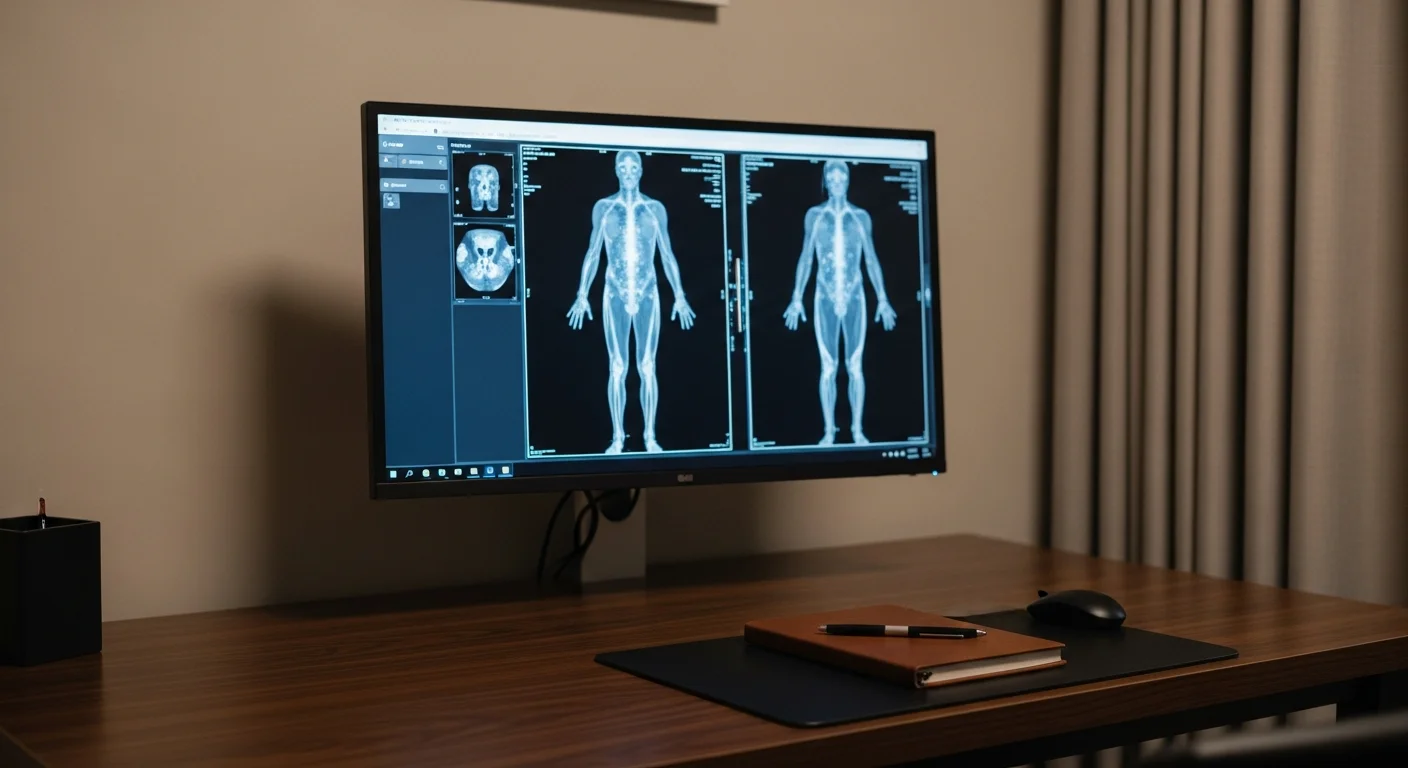
The flu shot cannot give you the flu because it contains an inactive (dead) virus. If you feel sick a few days after the shot, the most likely cause is an unrelated cold or respiratory virus you picked up during the 14-day window before the vaccine reaches full strength.
"I never get sick, Dr. Ash. But I got the flu shot, and two days later I was down for a week. I am not anti-vaccine, but I am telling you, the shot made me sick."
In my practice at Fishtown Medicine, I hear this story all the time. A driven professional running the winter rush in Center City, a parent juggling two kids in Fishtown, a service-industry worker who got a CVS shot before a busy weekend. Feeling awful right after the shot is common, and I take it seriously. In the standard medical system, those concerns often get a shrug or a flat "that is impossible." We listen first, and then we walk through the data so you understand what happened.
The short version: the flu shot cannot give you the flu, because the virus in the shot is dead. But the timing of when you get the shot and when your body builds full immunity opens a 14-day window where you can catch any of the dozens of other respiratory viruses circulating through Philly. That overlap is almost always what people are feeling.
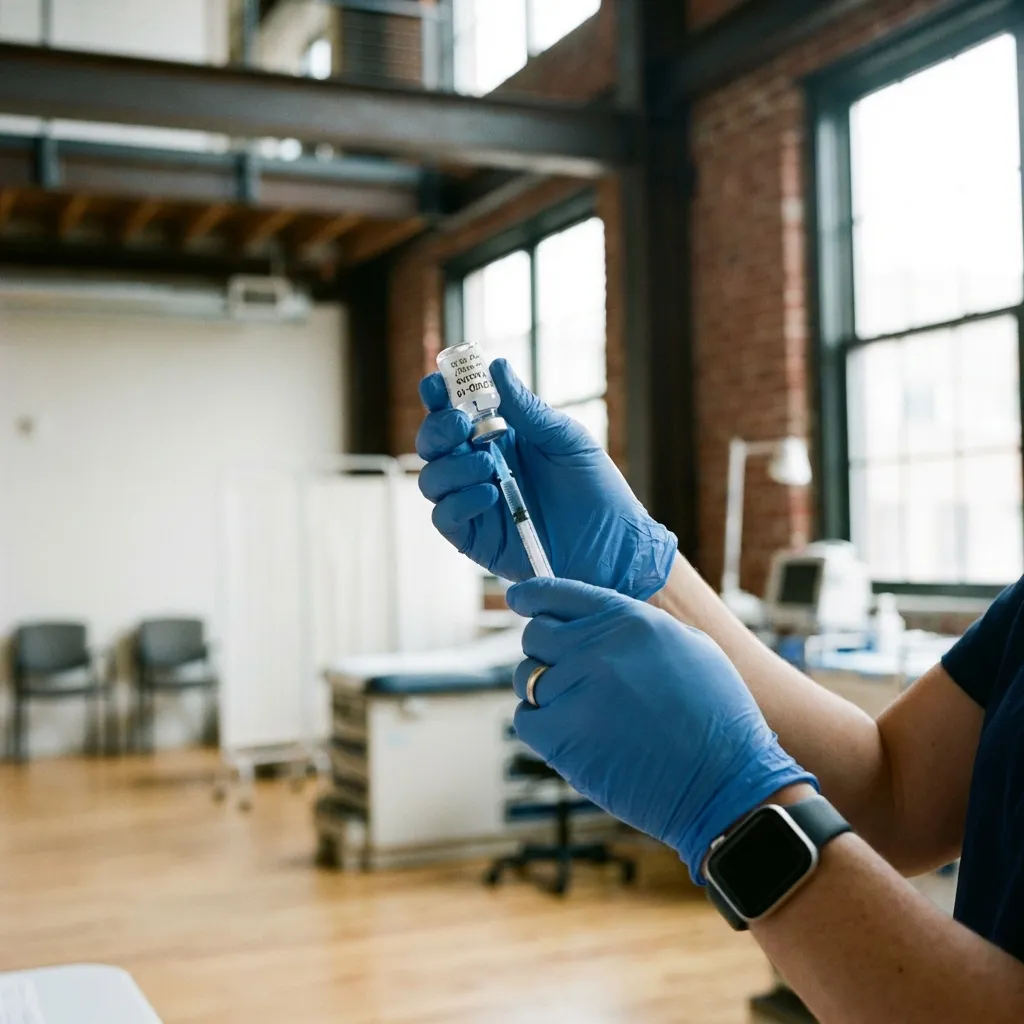
Why does the flu shot take 2 weeks to work?
It takes about 14 days for your body to build full antibody protection after a flu shot. Some partial protection starts around day 4, but you are mostly unprotected during the first 1 to 2 weeks. That is the window when most "the shot made me sick" stories happen.
A vaccine works like a training session. The shot shows your immune system a piece of the flu virus so your body can practice making antibodies, and that practice takes time.
The 14-day "lead time"
If you are exposed to flu (or any other respiratory virus) 3 days after your shot, you are essentially unvaccinated. Your body got the warning, but it has not yet built the millions of B-cells and T-cells it needs to neutralize a virus on contact. This is why we suggest getting your shot in early fall, before the local Philly viral spread peaks in December and January.
The 4-day partial response
Some early protection starts to come online around day 4, but it is far from full strength. We track patients' wearable data (Oura, Apple Watch, Whoop) through this window and often see a small dip in heart rate variability (HRV) for a day or two. That dip comes from your immune system doing its training rather than from an illness.
Why do I feel sick a few days after my flu shot?
Most "post-shot illness" is a different virus you caught during the 14-day window before your flu shot reached full strength. Recency bias makes your brain blame the shot because it was the most recent thing that happened.
Humans are wired to spot patterns. If event B (getting sick) follows event A (a shot), the brain insists on a cause. We saw this everywhere with COVID vaccines too. People got their shot, then any headache, sniffle, or fatigue in the next 2 weeks got blamed on the jab.
The "most recent healthcare thing"
The flu shot stands out because it is often the only intentional health step someone has taken in months. So we walk through the timeline carefully, asking whether there was a high fever and deep, bone-level body aches, or more of a head cold with congestion and a scratchy throat. Once we separate the event (the shot) from the cause (a different virus), the picture clears up fast.
Did I catch a cold or the flu?
The flu shot is specific. It only protects against the flu (influenza) strains chosen for that season. It does not protect against the dozens of other winter viruses, including rhinovirus (the common cold), adenovirus, RSV, and norovirus.
There is an old clinical joke: "I wish there was a cold vaccine." There is not. When we give a flu shot at Fishtown, we are clear about what it does and does not do: it will not stop the common cold, a stomach bug, or COVID, and we have other tools for those.
The "tell" for flu vs a cold
The flu and COVID usually come with a high fever (over 101 degrees) and deep, bone-level body aches. A common cold (rhinovirus, the culprit in roughly 9 out of 10 "I got sick from the shot" stories) is annoying but stays local: a stuffy nose, sore throat, mild cough, a low or absent fever, and only minor body aches. If you have the cold pattern, the flu vaccine did not "fail"; you simply caught a virus the shot was not built to stop.
Why is the Philly winter such a perfect viral storm?
Cold, dry air helps respiratory viruses stay airborne longer, and winter forces people indoors into poorly ventilated spaces. Both effects spike during the same months people are getting their flu shot, which is why timing makes the shot look guilty.
In a dense city like Philadelphia, the winter effect is amplified. As humidity drops, the droplets you exhale evaporate faster, leaving smaller aerosol particles that hang in the air for hours.
Indoor clustering and viral stability
Whether you are on the SEPTA ride home, stuck in line at a Fishtown bar, or at a holiday gathering in a row home with poor airflow, your exposure goes up sharply. Most people get their shot in October or November, the same window when every other respiratory virus is also peaking. Statistically, some people will catch a cold the same day they get vaccinated. That is bad luck, not bad medicine.
Why does winter weaken my immune system?
Your immune system runs weaker in winter because you get less sunlight (which lowers vitamin D), eat differently, sleep less, and move less. That weaker baseline makes you more likely to catch a virus you would have shrugged off in summer.
Get Real Answers
Tired of being told your labs are 'normal'? Dr. Ash digs deeper.
At Fishtown Medicine, we look at the whole person. Genetics, behaviors, and environment all shape how you handle the seasonal change. If your vitamin D level has dropped because you have barely seen the sun since October, your innate immune system, your first line of defense, is starting the fight at a disadvantage.
Optimizing your "host defense"
Beyond ordering the shot, we work on your baseline and watch for early signs that your body is struggling with the seasonal change. That is why we emphasize metabolic health and precision nutrition as the foundation of our preventive plan. The vaccine is targeted training, and your daily habits are the base conditioning.
How does Medicine 3.0 do flu prevention differently?
| Step | Standard of Care (Medicine 2.0) | Fishtown Medicine (Medicine 3.0) |
|---|---|---|
| When to vaccinate | "Whenever you remember." | Early fall, before community spread peaks. |
| Patient validation | "The shot can't make you sick." | Validate the experience first, then explain the data. |
| Diagnostics during illness | Usually none for mild symptoms. | Multiplex testing (flu, COVID, RSV, strep) to find which virus it is. |
| Recovery support | "Drink fluids and rest." | Targeted plan: zinc, vitamin D, sleep optimization. |
| Baseline care | Ignore vitamin D and nutrition. | Optimize biomarkers to strengthen baseline immunity. |
Self-check: was it the flu, the shot, or something else?
Run yourself through these 4 questions.
- Did you have a fever over 101 degrees? A yes points toward flu, COVID, or another systemic infection, and a no points toward the common cold.
- Were your muscles aching to the bone? Deep aches point toward a systemic virus, and their absence points toward a cold.
- Did symptoms start within 12 to 24 hours of the shot? That timing fits a brief inflammatory response as your immune system practices, and it usually clears in 24 to 48 hours.
- Are you mostly stuffy and congested with no fever? That pattern points to one of the other viruses like rhinovirus, adenovirus, or RSV.
Functional vs traditional toolkit
| Goal | Functional / Lifestyle | Traditional / Clinical |
|---|---|---|
| Prevention | Vitamin D3 (optimized) plus zinc | Annual flu vaccine, COVID booster |
| Symptom relief | Quercetin, elderberry, steamy showers | Tamiflu (oseltamivir), Xofluza |
| Inflammation | Sunlight plus sleep | NSAIDs (ibuprofen, naproxen) |
| Resilience | Zone 2 training, nasal breathing | Saline rinse |
Guidance from the clinic
Here is the picture: you did feel sick, but the cause is almost certainly not the shot.
It is unfortunate that there is no cold vaccine. We spend a lot of energy on flu and COVID because those are the ones that can break the body long-term. But the common cold is the one that wrecks your week. We sit through the whole story, validate that the timing was frustrating, and then explain the nuance: for many people, a drop in sunlight, a change in nutrition, indoor clustering, and a brand-new virus exposure all happen the same week as the shot. That is the perfect storm.
The counter-intuitive advice: do not wait until everyone in your office is coughing to get vaccinated. By then, your immune system is training at the same time it is fighting the virus, so get it done early.
Actionable steps for Philadelphians
- Vaccinate early. Aim for September or early October, before Halloween, so you are at full strength by Thanksgiving.
- Check your vitamin D. A simple 25-OH vitamin D blood test in October tells us if you need a winter dose.
- Mind the SEPTA risk. A surgical or N95 mask on the El during peak season is a low-cost insurance policy.
- Sleep is the cheapest immune booster. 7 to 9 hours per night during October to March pays back hard.
Want a smarter prevention plan?
Book your Warm Invitation Call
Scientific References
- Centers for Disease Control and Prevention. "Vaccine Effectiveness: How Well Do Flu Vaccines Work?"
- Lowen AC, et al. Influenza Virus Transmission Is Dependent on Relative Humidity and Temperature. PLoS Pathog. 2007;3(10):e151.
- Nichol KL, et al. The Effectiveness of Vaccination against Influenza in Healthy, Working Adults. N Engl J Med. 1995;333(14):889-893.
- Monto AS. Epidemiology of Viral Respiratory Infections. Am J Med. 2002;112 Suppl 6A:4S-12S.
- Edwards DA, et al. Inhaling to mitigate exhaled bioaerosols. Proc Natl Acad Sci USA. 2004;101(50):17383-17388.
If you live in Philly and you are tired of reacting to every winter surge, lets look at your data together and build a real prevention plan.
Related at Fishtown Medicine
- Respiratory Congestion - the same-day workup for sinus and respiratory symptoms
- Cold Sores - HSV outbreaks, triggers, and suppressive options
- Swollen Lymph Nodes - when to watch and when to work it up
- Tattoo & Piercing Infection - the same-day care path for skin infections
- Cuts at Home - when to suture, when to glue, when to come in
- Lightheadedness & Dizziness - the orthostatic, cardiac, and neurologic causes worth distinguishing
- High Blood Pressure at Home - the at-home BP workup that tells us more than office readings
- Nausea - the clinical workup for persistent or unexplained nausea
- Bloating & Digestive Discomfort - the structured GI workup for bloating that won't quit
- COVID-19: The Razor Blade Throat - what is circulating, for when the timing does not fit a vaccine reaction

Fishtown Medicine | Symptoms
Frequently Asked Questions
Common Questions
Deep-Dive Questions
Ready when you are
The chat is our AI assistant, answering from our published guides. To talk it through with Dr. Ash himself, start with the intake.