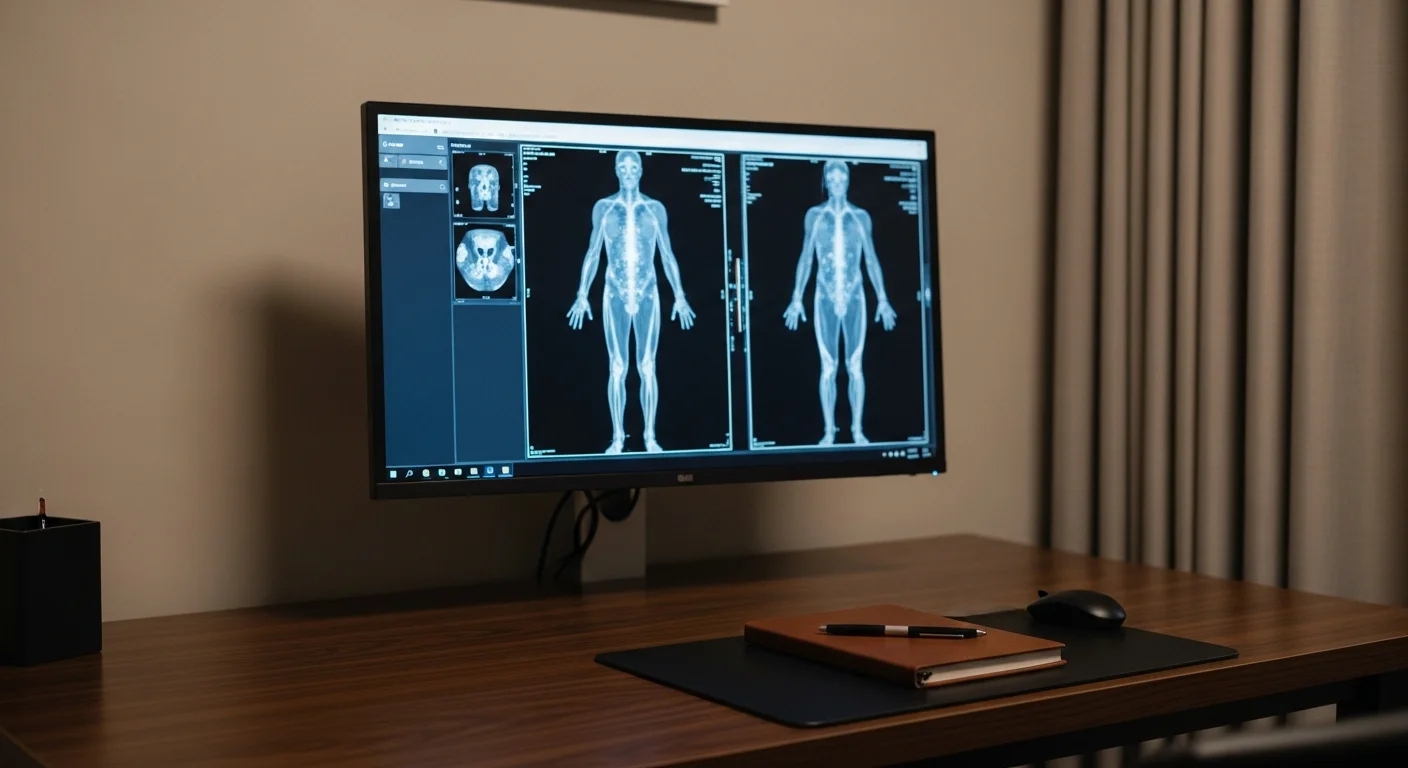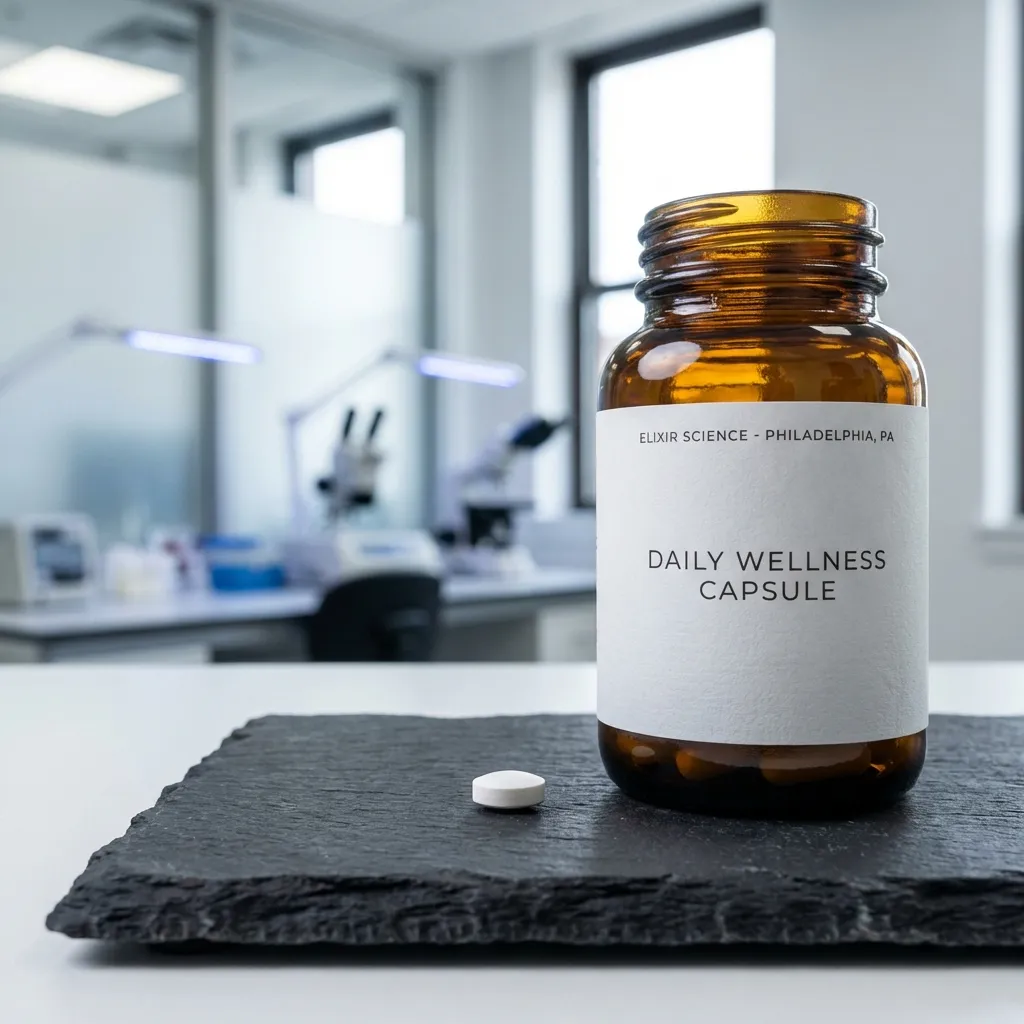
Rapamycin is an FDA-approved immune-suppressing medication used to prevent transplant rejection. In mice it extends lifespan, which has fueled a wave of off-label use for longevity. In humans, the evidence is thinner, the side effects are real (mouth sores, higher cholesterol, blunted muscle growth, and infections), and we use it cautiously, if at all.
The Most Overhyped Molecule in Longevity Medicine?
Rapamycin is the darling of the longevity community. Influencers call it a miracle molecule. In the clinic, the picture is far messier. Side effects are common, long-term human safety is unproven, and many patients quit within months.
In longevity medicine, rapamycin sucks up most of the oxygen. It has strong data in mice and passionate advocates online. When you prescribe it to people with jobs, families, and immune systems, the picture gets complicated.
At Fishtown Medicine, we are very cautious with rapamycin. We do not view it as a no-brainer supplement. We view it as a serious immunosuppressant with a narrow therapeutic window and a high dropout rate. The longevity conversation we do have with patients is wider than any single molecule, and it is what a healthspan-focused practice is built around.
Why Mouse Data Does Not Always Translate to Humans
The Interventions Testing Program (ITP) showed that rapamycin extends life in mice by about 28%. That finding holds up. The translation to humans gets harder for a few reasons.
- Sterile environment. Lab mice are kept in pathogen-free housing. They do not ride SEPTA. They do not have kids in daycare. Suppressing their immune system does not get them sick because they are not exposed to anything.
- Different biology. Mice mostly die of cancer (lymphoma). Rapamycin suppresses cancer well. Humans mostly die of heart disease and neurodegeneration. The mechanism of death is different.
The signal. Most interventions that work in mice fail in humans. We are not big mice.
Why Do Patients Stop Taking Rapamycin?
In our clinical experience, a significant share of patients who start rapamycin stop within 6 months. Not because it "does not work," but because the side effects are felt and the benefits are invisible.
When you take a statin, your cholesterol drops. You see the number change. When you take rapamycin, you feel nothing, or worse, you feel sick.
The "Big Three" Reasons People Stop
- Mouth sores (aphthous ulcers). This is the most common side effect. Painful, recurring sores that make eating hard. They are a sign of mucosal immune suppression.
- Worsening cholesterol. Rapamycin often raises LDL cholesterol and triglycerides. You take a drug to live longer and end up needing another drug to control your heart disease risk.
- Lingering infections. "Dr. Ash, I have had a cold for six weeks." We hear this often. Rapamycin blunts the immune response. Minor infections drag on. Bacterial infections can become more serious.
What Are the Risks of Inhibiting mTOR Long-Term?
Rapamycin inhibits mTOR, a major cellular growth switch. That sounds simple. The trade-offs are not.
- The good. It can slow cancer cell growth and increase autophagy (the process by which cells clear out damaged proteins).
- The bad. It also slows muscle growth and wound healing. Sarcopenia (the loss of muscle with age) is one of the strongest predictors of frailty and death after 60. Suppressing muscle growth in older adults is a serious concern.
Grip strength and the other measures in a performance physical belong in the conversation before anyone starts.
It is possible that long-term mTOR suppression could lower visible aging at the cellular level while accelerating frailty in the body. You might have younger cells in a weaker frame.
Guidance from the Clinic
Why we are skeptical. We have seen the peak hype cycle before (resveratrol, metformin, NAD+). Rapamycin is currently at the top of that curve. In 5 years we expect the excitement to settle into a narrow, careful use case.
> "But Dr. Ash, I read that pulse dosing is safe."
My answer: safer than daily dosing, maybe. Safe in the absolute sense, no. Even with weekly dosing, we see side effects. Biology rarely offers a free lunch. If you turn down the immune dial, you open the door to other problems.
Our Strategy: Proceed With Caution
If you are determined to try rapamycin, we will support you, but we will not cheerlead.
- Exclusion criteria. If you have low muscle mass, a history of chronic infections, or are trying to build strength, rapamycin is a hard no.
- Safety monitoring. We require monthly labs for the first 3 months to watch lipids, glucose, and infection markers.
- The exit ramp. We set a low threshold for stopping. A mouth sore means pause. A confirmed infection means stop.
- Cycling. We use significant washout periods (months off the drug) to let your body recover its anabolic (growth) capacity.
Do not let the noise drown out the signal. Exercise is still the most evidence-backed longevity intervention we have.
Fishtown Medicine
A 90-minute conversation with Dr. Ash. A written plan you can follow.
Scientific References
- Dillman AM, et al. Rapamycin: minimal benefits, maximum risks? GeroScience. 2023.
- Bischof E, et al. Clinical challenges of rapamycin in longevity medicine. Lancet Healthy Longev. 2021.
- Harrison DE, et al. Rapamycin fed late in life extends lifespan in genetically heterogeneous mice. Nature. 2009.
- Mannick JB, et al. TORC1 inhibition enhances immune function and reduces infections in the elderly. Sci Transl Med. 2018.
- Kraig E, et al. A randomized control trial to establish the feasibility and safety of rapamycin treatment in an older human cohort. Exp Gerontol. 2018.
Frequently Asked Questions
Common Questions
Deep-Dive Questions
Ready when you are
The chat is our AI assistant, answering from our published guides. To talk it through with Dr. Ash himself, start with the intake.