
FishtownFish wrapped around the rod of AsclepiusMedicine
Philadelphia Primary Care
How It Works
What People Say
Patient reviews across 6 platforms
Articles
Symptoms
What your body is telling you
Treatments
Protocols, prescriptions, therapies
Longevity
Medicine 3.0 strategies
Heart Health & Risk
Protect your heart & vessels
Metabolism
Insulin, blood sugar, weight
Hormones
TRT, thyroid, menopause, andropause
Performance
VO2 max, muscle, sleep, gut
Playbooks
Step-by-step frameworks
About
Meet Dr. Ash
Your Physician
GERO·SPAN
Our Clinical Framework
FAQ
Common Questions
Book a Free Call
The "Greens Powder" Dilemma: Why Whole-Food Mimics Often Fail Your Labs
Fishtown Medicine•6 min read
4.96 (124)

The "Greens Powder" Dilemma: Why Whole-Food Mimics Often Fail Your Labs

Ashvin Vijayakumar MD

Medically Reviewed

Ashvin Vijayakumar MD•Updated May 23, 2026
On This Page
  • Why don't greens powders move your lab results?
  • How does processing affect what actually absorbs?
  • What about heavy metals and supply chain risk?
  • What does Fishtown Medicine recommend instead of greens powders?
  • Actionable Steps in Philly
  • Key Takeaways
  • Common Questions
  • Why do I feel better when I drink my greens powder?
  • Are there any good greens powders out there?
  • Should I stop taking my greens powder?
  • Do greens powders count as a serving of vegetables?
  • Are greens powders worth the money?
  • Do greens powders help with bloating or digestion?
  • Can I take a greens powder while pregnant?
  • Do greens powders interact with any medications?
  • Deep Questions
  • Are greens powders safe for people with kidney disease?
  • Can greens powders raise heavy metal levels in the body?
  • Do greens powders cause kidney stones?
  • Are greens powders safe for people on blood thinners?
  • Can greens powders replace a multivitamin?
  • Are greens powders helpful for athletes?
  • Do organic greens powders mean lower heavy metal levels?
  • Are greens powders helpful in perimenopause or menopause?
  • Can greens powders help my skin?
  • Are greens powders sweetened with anything I should worry about?
  • Do greens powders affect blood sugar?
  • Are local Philly farmer's market greens better than a powder?
  • How do I know if my greens powder is third-party tested?
  • Can children use greens powders?
  • Scientific References

Get a preventive doctor that knows you.

Consult Dr. Ash
TL;DR · 30-second take

Most greens powders look impressive on the label but rarely move your blood work. They squeeze 50 to 75 ingredients into one scoop, so each ingredient is dosed too low to do anything in the body. Targeted single-ingredient supplements, dosed to match real studies, almost always outperform a generic greens scoop.

The "Greens Powder" Dilemma: Why Whole-Food Mimics Often Fail Your Labs

TL;DR: Many greens powders are great marketing and weak medicine. By cramming dozens of ingredients into one scoop, the maker gives up the dose needed to actually move biology. If you want results on real labs, the data points to precision, not a kitchen-sink blend.
It is one of the most popular ideas in modern wellness: a nutritional safety net in a glass. The pitch is that one scoop fills the gaps in your diet with a long list of superfoods. In our practice in Philadelphia, we meet a lot of driven patients, from brewery owners in Fishtown to executives in Rittenhouse, who are proactive and swear by these powders. We respect the intent. But when we look at their real data, the inflammatory markers, the micronutrient panel, the liver enzymes, the labs rarely match the promise on the label. Let's figure this out together.

Dr. Ash
Guidance from the Clinic
"In our experience, when a product tries to do everything, it usually ends up doing very little well. We prefer to see patients focus on therapeutic dosing, getting the right amount of the specific nutrients their physiology actually needs."

Why don't greens powders move your lab results?

Greens powders often fail to move lab results because the dose of each ingredient is far too small. The supplement industry calls this "label dressing." A formula adds a tiny amount of a high-value ingredient (like Ashwagandha or CoQ10, an antioxidant nutrient) just so the brand can list it on the front panel. When a "proprietary blend" lists 75 ingredients in a 12-gram scoop, the math does not work. Most ingredients are present in trace amounts, well below any dose tested in real studies.
  • Clinical reality: To get the anti-inflammatory benefit of Curcumin, studies usually use about 500 mg of a well-absorbed form. To target stress with Ashwagandha, the trial dose is around 600 mg. A greens powder may give you a fraction of that. It is often not enough to trigger any real change in the body.

How does processing affect what actually absorbs?

Processing affects what actually absorbs by breaking down delicate compounds and creating absorption traffic jams. Your body is designed to pull nutrients out of whole foods, where fiber, water, and structure all work together. When dozens of vegetables are dehydrated, ground into fine powder, and stored for months on a shelf, sensitive enzymes and phytonutrients (plant compounds with health effects) lose potency. There is also competitive inhibition, which is a fancy way of saying nutrients fight for the same doors into your gut. Iron and calcium block each other. Zinc and copper compete. When you toss 50 ingredients into one scoop, you may create exactly that traffic jam.

What about heavy metals and supply chain risk?

Heavy metals and supply chain risk are real concerns with greens powders. The more ingredients in a blend, the more global the supply chain. Many of the plants in greens powders are "hyper-accumulators." That means they pull metals like lead, arsenic, and cadmium out of the soil and concentrate them.

Fishtown Medicine

A 90-minute conversation with Dr. Ash. A written plan you can actually follow.

Book a Free 20-Min Call
  • Heavy metal exposure: Without strict third-party testing on every batch, daily use can build up real exposure over time.
  • Purity gaps: Long ingredient lists can also hide undisclosed fillers, anti-caking agents, or sweeteners that change how the product behaves in your body.

What does Fishtown Medicine recommend instead of greens powders?

Instead of greens powders, Fishtown Medicine recommends single-ingredient precision. We pull away from the kitchen-sink approach. You deserve care that sees the full picture, not a generic scoop. If your labs show a Vitamin D deficiency, we use Vitamin D3. If the goal is to lower inflammation, we look at high-purity, third-party tested Omega-3 or curcumin extracts. We pick single ingredients so we can control three things:
  1. Safety: We know exactly what your liver and kidneys are processing.
  2. Dose: We hit the dose used in real clinical studies.
  3. Purity: It is much easier to verify one ingredient than seventy-five.

Actionable Steps in Philly

Audit your scoop in five minutes.
  1. Read the label end to end. If the ingredient list says "proprietary blend" with 30+ items, you cannot tell how much of anything you are getting.
  2. Look for a third-party seal. NSF Certified for Sport, USP Verified, or ConsumerLab. If none of these appear, do not assume the product is heavy-metal tested.
  3. Compare doses to studies. Pick the three "headline" ingredients on the label. Search for the clinical dose used in studies. If your scoop has less, those ingredients are mostly decorative.
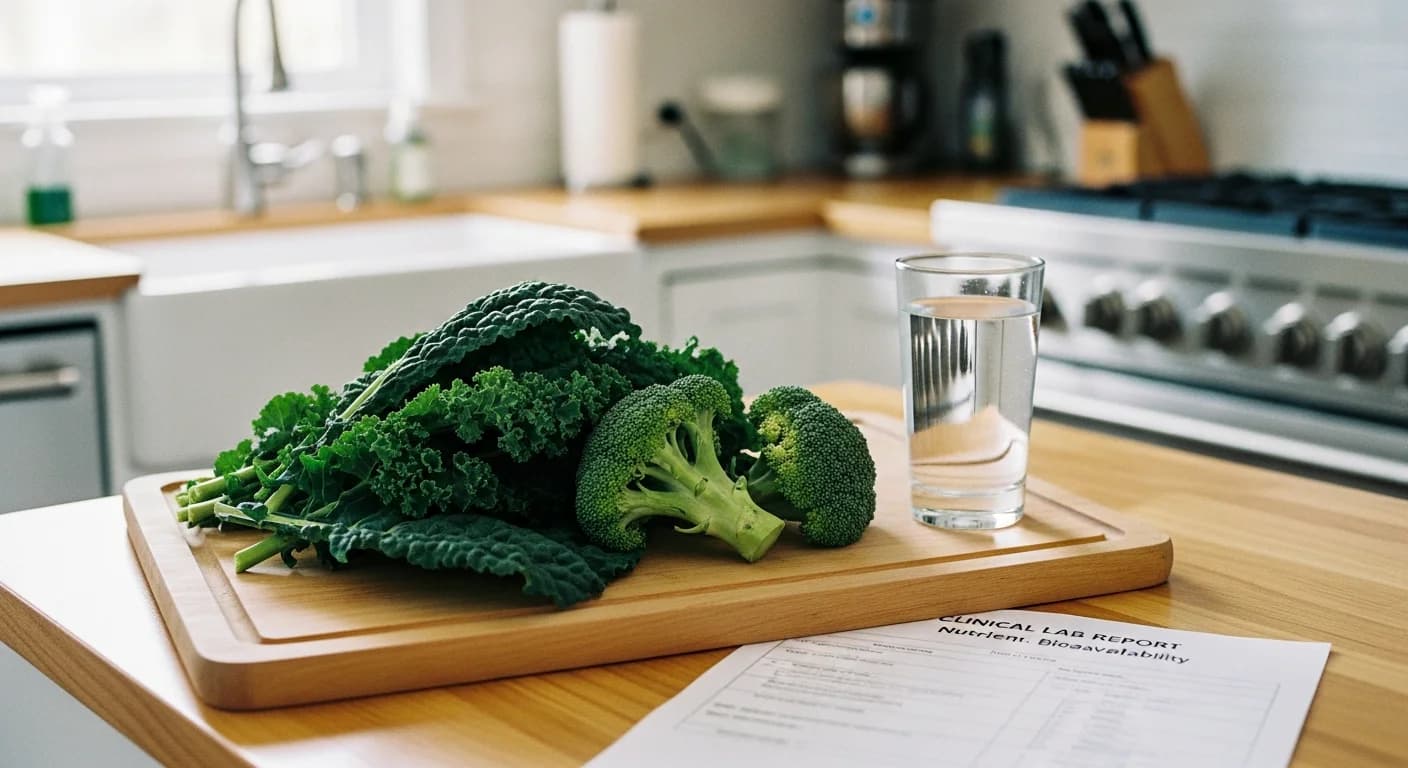
  4. Eat a real plate of greens. A bag of spinach from Reading Terminal Market beats most powders for fiber, folate, and Vitamin K. Stir-fry it, blend it into a smoothie, or wilt it into eggs.
  5. Get a baseline panel. A simple panel (Vitamin D, Ferritin, Magnesium RBC, Vitamin B12, Homocysteine) tells you what your body actually needs. Then we target it.

Key Takeaways

  • Whole foods come first. Powders cannot match the fiber and cellular structure of real vegetables.
  • Blends are broad. Proprietary blends are built for mass appeal, not for your physiology.
  • Simplicity lowers risk. Fewer ingredients means better quality control, fewer interactions, and easier traceability.

Scientific References

  1. Lutsey, P. L., et al. (2020). "Prevalence and Trends of Vitamin D Deficiency in the US Population." The American Journal of Clinical Nutrition.
  2. Chandrasekhar, K., et al. (2012). "A prospective, randomized double-blind, placebo-controlled study of safety and efficacy of a high-concentration full-spectrum extract of ashwagandha root in reducing stress and anxiety in adults." Indian Journal of Psychological Medicine.
  3. Hewlings, S. J., & Kalman, D. S. (2017). "Curcumin: A Review of Its Effects on Human Health." Foods.
  4. Genuis, S. J., et al. (2012). "Toxic Element Contamination of Natural Health Products and Supplements." ISRN Public Health.

Medical Disclaimer: This resource provides Clinical context for educational purposes. In the world of Precision Medicine, there is no "one size fits all", the right supplement protocol must be matched to your unique lab work, physiology, and performance goals. Consult Dr. Ash to determine if this approach is right for you, especially if you have chronic health conditions or are taking prescription medications.

Frequently Asked Questions

Common Questions

You may feel better from your greens powder for reasons that are not the powder itself. You are likely drinking 12 to 16 ounces of water with it, starting the day with a health-conscious ritual, and skipping a sugary breakfast drink. All of those help. The greens themselves may be doing very little of the work.
A few brands do focus on transparency, fewer ingredients, and full third-party testing. AG1, Athletic Greens, Thorne, and a small handful of others publish heavy-metal results. Even so, we usually see better lab outcomes when we identify your specific needs and target them with single-ingredient extracts.
If you enjoy the taste, it helps you build a steady morning ritual, and the brand is third-party tested for purity, it is fine to keep using it. Just do not lean on it to fix a real deficiency. For that, you need a targeted supplement and follow-up labs.
No, greens powders do not really count as a serving of vegetables. The fiber content is much lower, and the chewing, water content, and bulk that make vegetables filling are gone. Use a powder as a backup, not as a swap for actual produce.
For most patients, greens powders are not worth the money. The cost per scoop is high, the dose of each ingredient is low, and the same goal can be hit more cheaply with a few targeted supplements plus a couple of cups of real greens per day.
Some patients feel less bloated on greens powders, often because of added prebiotic fibers, digestive enzymes, or simple hydration. Others feel more bloated because of the same prebiotic fibers, especially if they have IBS or SIBO (small intestinal bacterial overgrowth). It depends on your gut.
Many greens powders are not safe in pregnancy. They often contain ashwagandha, vitex, and other herbs not studied for pregnancy. Heavy metal exposure also matters more during pregnancy. Stick to a USP-verified prenatal and confirm any greens powder with your OB before continuing.
Yes, some ingredients in greens powders interact with medications. Vitamin K from kale and spinach blends can blunt blood thinners like warfarin. Spirulina and chlorella can affect immune-suppressing drugs. Always show the full ingredient list to your physician and pharmacist.

Deep-Dive Questions

Greens powders are often not safe for people with kidney disease. They can be high in potassium, oxalates (which can form kidney stones), and unmeasured doses of botanicals. If your eGFR (a kidney function score) is below 60, every ingredient in your blend needs to be reviewed individually.
Yes, daily use of poorly tested greens powders can raise heavy metal levels in the body. Independent labs have repeatedly found lead, cadmium, and arsenic in popular products. This matters most for pregnant patients, young children, and anyone with a history of high heavy metal exposure.
Some greens powders may raise the risk of kidney stones because spinach, beet greens, and rhubarb are high in oxalates. If you have a history of calcium oxalate stones, daily greens powders may not be a good fit. Single-ingredient supplements paired with hydration are usually safer.
Greens powders are often not safe for people on blood thinners like warfarin without close monitoring. Many of the green leafy ingredients are high in Vitamin K, which can change how the medication works. Talk to your physician and pharmacist before adding or stopping any greens product.
No, greens powders should not replace a multivitamin in most cases. The doses of vitamins and minerals in a greens scoop are usually much lower than in a tested multivitamin. If your goal is full coverage, a USP-verified multi or a targeted single-ingredient stack is more reliable.
Greens powders are usually not the most useful supplement for athletes. Creatine, whey or plant protein, electrolytes, and omega-3s tend to drive more performance changes. A greens powder can be a small adjunct if it is third-party tested and you actually drink it consistently.
Organic greens powders do not automatically have lower heavy metal levels. Heavy metals come from soil, not pesticides. The certification that matters is third-party heavy-metal testing on each batch, with a published Certificate of Analysis (CoA, the lab report on a specific lot).
Greens powders are not specifically helpful in perimenopause or menopause. The bigger movers in that life stage tend to be Vitamin D3, magnesium, omega-3s, creatine, and protein intake. A targeted plan beats a generic scoop, especially when paired with a DEXA scan and bloodwork.
Some patients see skin changes on greens powders, but the effect is usually from extra hydration, less sugar at breakfast, and small boosts in Vitamin C and polyphenols (plant antioxidants). Targeted nutrients (omega-3s, zinc, Vitamin D3) and good sleep tend to do more for skin than the powder itself.
Yes, many greens powders are sweetened with stevia, monk fruit, or sugar alcohols like erythritol. These are fine for most people, but some patients get GI upset, and recent data has raised questions about high erythritol intake and cardiovascular markers. Read the label closely.
Greens powders by themselves usually have minimal effect on blood sugar. Some "metabolic" blends add berberine, cinnamon, or chromium, which can lower blood sugar. If you are diabetic or pre-diabetic, every blood-sugar-active ingredient needs review with your physician.
Yes, fresh greens from a Philadelphia farmer's market (Headhouse, Clark Park, Reading Terminal) are almost always better than a powder. They keep their fiber, water, and full nutrient matrix, and they cost less per serving. Powder can be a backup on busy travel weeks.
You know a greens powder is third-party tested if it carries an NSF, USP, or ConsumerLab seal, with a verifiable lot number. The brand should be willing to email a Certificate of Analysis on request. If the website hides this information, treat the testing as unverified.
Most greens powders are not designed for children. The doses of botanicals are not studied in kids, and the heavy metal load matters more in smaller bodies. Whole fruits and vegetables, plus a pediatric multivitamin if needed, are a safer route. Always check with your pediatrician.

---
- The Nuance of Supplement Blends - How to Audit Your Supplement Stack - Metabolic Health 101

---

Still have a question?

He answers personally. Usually within a few hours.

Related Intelligence

Stop Guessing: Why Your Supplements Must Be Personalized to Your Data

Stop Guessing: Why Your Supplements Must Be Personalized to Your Data

Taking 20 pills because a podcast told you to? Dr. Ash explains why individual labs and metabolic markers are the ONLY way to justify a supplement treatment plan.

Read Deep Dive
The Safety Seal Audit: NSF, cGMP, and How to Spot Professional-Grade Supplements

The Safety Seal Audit: NSF, cGMP, and How to Spot Professional-Grade Supplements

The supplement industry is unregulated. Dr. Ash explains how to read labels, verify NSF and cGMP testing, and pick safe, professional-grade supplements.

Read Deep Dive
CGM for Non-Diabetics Philadelphia | Metabolic Logic Guide

CGM for Non-Diabetics Philadelphia | Metabolic Logic Guide

Go beyond HbA1c. Continuous Glucose Monitors (CGM) reveal your unique metabolic response to food. Learn how we use data to fix metabolism.

Read Deep Dive

Talk it through with Dr. Ash.

If anything you read here raised a question, this is a free 20-minute Warm Invitation Call. Pick a time and we’ll work through it together.

HSA/FSA eligible
No initiation or cancellation fees
No copays

Loading scheduler...

Having trouble with the scheduler? Book directly on Dr. Ash’s calendar

FishtownFish wrapped around the rod of AsclepiusMedicine
Philadelphia Primary Care
2418 E York St, Philadelphia, PA 19125Home visits in Greater Philadelphia

Serving Fishtown · Art Museum · Bella Vista · Callowhill · Center City · Center City West · Chestnut Hill · East Kensington · Fairmount · Fitler Square · Graduate Hospital · Logan Square · Manayunk · Northern Liberties · Old City · Olde Richmond · Poplar · Port Richmond · Queen Village · Rittenhouse · Roxborough · Society Hill · Southwark

Explore by topic

Women’s Health
  • Perimenopause
  • Menopause 3.0
  • PCOS
  • Fertility
Men’s Health
  • TRT Therapy
  • TRT Safety
  • TRT vs Enclomiphene
  • Low Libido
Metabolic
  • Medical Weight Loss
  • Ozempic vs Metformin
  • Fasting Protocols
  • Visceral Fat
Cardiovascular
  • apoB & Heart Health
  • apoB vs LDL
  • Lp(a) Cholesterol
  • ED & Heart Risk
Longevity + Performance
  • Healthspan vs Lifespan
  • Biological Age
  • VO2 Max
  • Zone 2 Training
Supplements
  • Magnesium
  • Creatine
  • Omega-3
  • Foundational Stack

Content is for educational purposes only and does not constitute medical advice.

TermsPrivacyScope of PracticeClinical Independence