
FishtownFish wrapped around the rod of AsclepiusMedicine
Philadelphia Primary Care
How It Works
What People Say
Patient reviews across 6 platforms
Pricing & Membership
Transparent membership pricing
Articles
Symptoms
What your body is telling you
Treatments
Protocols, prescriptions, therapies
Longevity
Medicine 3.0 strategies
Heart Health & Risk
Protect your heart & vessels
Metabolism
Insulin, blood sugar, weight
Hormones
TRT, thyroid, menopause, andropause
Performance
VO2 max, muscle, sleep, gut
Playbooks
Step-by-step frameworks
Dispensary
Dr. Ash's professional-grade supplement picks
About
Meet Dr. Ash
Your Physician
GER·O·SPAN
Our Clinical Framework
FAQ
Common Questions
Book a Free Call
The 'Oatmeal Test': Why You Need a CGM Even If You Aren't Diabetic
Fishtown Medicine•8 min read
4.96 (124)

The 'Oatmeal Test': Why You Need a CGM Even If You Aren't Diabetic

Ashvin Vijayakumar MD

Medically Reviewed

Ashvin Vijayakumar MD•Updated June 1, 2026
On This Page
  • The Breakfast Betrayal
  • Why Is HbA1c Not Enough?
  • What Is the "Oatmeal Test"?
  • How Do You Flatten the Glucose Curve?
  • Guidance from the Clinic
  • Actionable Steps in Philly
  • Common Questions
  • Is a CGM covered by insurance for non-diabetics?
  • Does a CGM hurt to wear?
  • What is the "Dawn Phenomenon"?
  • Can I just use a finger stick instead of a CGM?
  • How long should I wear a CGM if I am not diabetic?
  • What is a "normal" glucose range on a CGM for a healthy adult?
  • Will a CGM make me obsessive about food?
  • Can stress raise my glucose without eating anything?
  • Deep Questions
  • How accurate is a CGM compared to a finger stick or lab draw?
  • Can a CGM detect early insulin resistance before it shows on standard labs?
  • Does exercise cause a glucose spike, and is that bad?
  • How do CGMs read glucose during sleep, and what should I see overnight?
  • Can CGM data help with weight loss for non-diabetics?
  • How does a CGM compare to a fasting insulin test?
  • Should I cover my CGM during sleep, exercise, or showering?
  • What foods most commonly cause unexpected spikes in non-diabetics?
  • Does drinking alcohol affect glucose readings?
  • Can I get a CGM in Philadelphia without seeing my regular doctor first?
  • How do I interpret "time in range" on my CGM?
  • Can wearing a CGM affect my insulin sensitivity over time?
  • Are over-the-counter CGMs (Stelo, Lingo) as good as prescription Dexcom or Libre sensors?
  • How does CGM data fit into a longevity-focused care plan?
  • Can I share my CGM data with my doctor at Fishtown Medicine?
  • Scientific References

Get a preventive doctor that knows you.

Consult Dr. Ash
TL;DR · 30-second take

A continuous glucose monitor (CGM) is a small skin sensor that tracks your blood sugar in real time. Even if you are not diabetic, a 2-week trial can show which foods spike your glucose, which lifestyle changes flatten your curve, and where hidden metabolic stress lives. The data is often more useful than a standard HbA1c test.

The "Oatmeal Test": Why You Need a CGM Even If You Aren't Diabetic

The Breakfast Betrayal

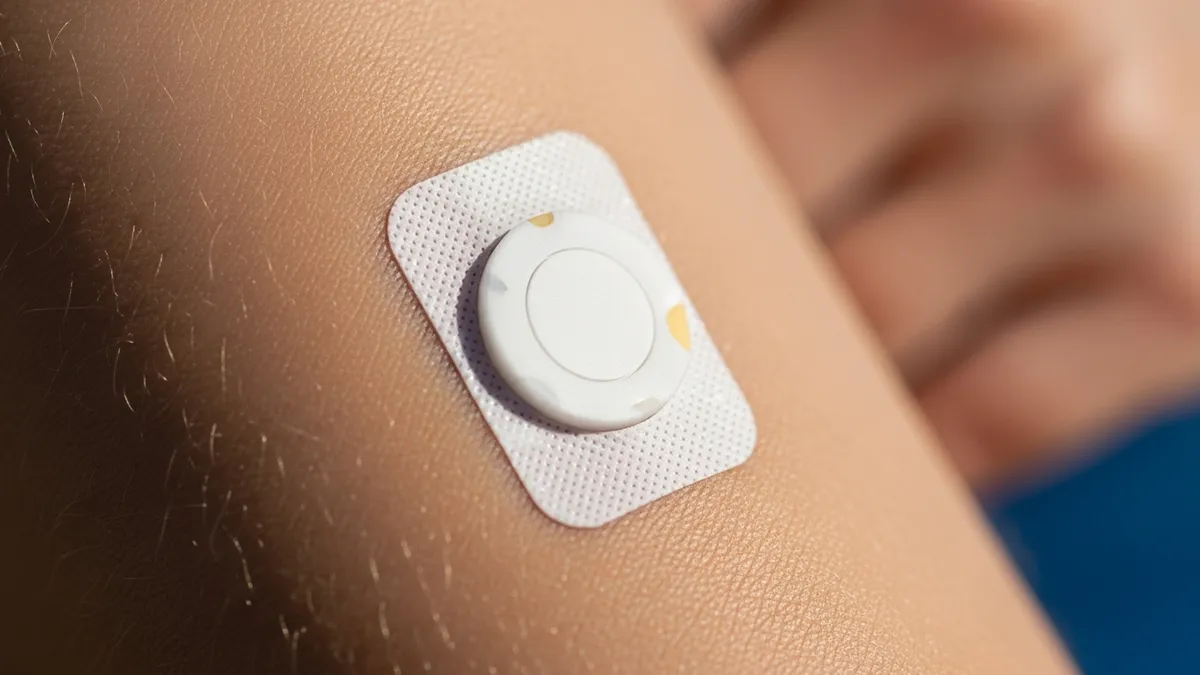
Standard blood tests like HbA1c (a 3-month average of your blood sugar) can hide the daily glucose spikes that drive inflammation and weight gain. We use Continuous Glucose Monitors (CGMs, small skin sensors that read your blood sugar every few minutes) to reveal how your body really responds to food. The data often shows that "healthy" staples like oatmeal cause big sugar swings. You probably feel like you eat sensibly. Most mornings, that might mean a bowl of steel-cut oats with fruit. Your last doctor may have told you your HbA1c is 5.6%, which is technically "normal." So when a 2 PM energy slump hits, it is easy to write it off as a normal part of getting older. The clinical data often tells a different story. At Fishtown Medicine, when we place a continuous glucose monitor on a patient for two weeks, we see the real-time effect of food on their body. That "healthy" breakfast can spike blood sugar to 180 mg/dL, a level you would expect from a diabetic eating refined sugar. The crash that follows two hours later is often the real reason for the hunger and fatigue that come at midday. This pattern of big ups and downs is called glycemic variability. It is one of the invisible drivers of vascular damage and stubborn weight retention. In our practice, we work from a simple rule: you cannot improve what you do not measure.

Why Is HbA1c Not Enough?

HbA1c is only an average, and an average can hide dangerous swings. Two patients with the same A1c can have very different metabolic stories. The patient whose blood sugar swings between 50 and 150 mg/dL is wearing down their blood vessels far more than the steady patient. To picture this, imagine two weather reports.
  1. City A holds a steady 70°F all day.
  2. City B swings from 120°F at noon to 20°F at midnight.
Both cities have an "average" temperature of 70°F, but life in City B is brutal. Your physiology works the same way. HbA1c is just the average temperature. It tells us nothing about the volatility. Glycemic variability is the storm that damages blood vessels. Every spike (hyperglycemia, or high blood sugar) drives oxidative stress and glycation (when sugar molecules stick to your proteins and damage them). Every crash (hypoglycemia, or low blood sugar) triggers a stress hormone surge and intense food cravings. We are not chasing a good average. We are chasing metabolic stability.
Fish wrapped around the rod of Asclepius

Let's get healthier

Get Dr. Ash's health checklist.

Bi-weekly clinical insights on the markers that matter most - what to track, what to ask your doctor, and what 'normal' actually means. Trusted by 1,248+ Philadelphians.

Evidence-informed clinical signal from our practice

What Is the "Oatmeal Test"?

Carbohydrate tolerance varies wildly from person to person. A CGM lets us test specific foods like oatmeal, rice, or grapes, and see whether your body handles them as fuel or as a stress hit. In our practice, we encourage every patient to run small experiments on themselves. The simplest baseline experiment is what we call the Oatmeal Test.
  1. You eat a standard bowl of oatmeal.
  2. We watch the data flow into your CGM app over the next 3 hours.
Here is what we typically see:

Fishtown Medicine

A 90-minute conversation with Dr. Ash. A written plan you can actually follow.

Book a Free 20-Min Call
  • Patient A (insulin sensitive). Glucose rises gently to around 120 mg/dL and returns to baseline within 90 minutes. For this person, oatmeal is fuel.
  • Patient B (insulin resistant). Glucose surges to 190 mg/dL and stays elevated for two hours. For this person's metabolism, oatmeal is stressful and counterproductive.
This is rarely about "good food" versus "bad food." It is about your biology. We have seen vegetarians spike on brown rice and protein-focused eaters react poorly to whey protein. Precision medicine asks us to measure rather than assume.

How Do You Flatten the Glucose Curve?

Managing glucose is not just about insulin. We use functional strategies (food order, vinegar, walking after meals) alongside medications when needed to restore metabolic flexibility.
FocusFunctional Strategy (Optimization)Traditional Strategy (Disease Management)
Spike bluntingThe "veggie starter": eat fiber and vegetables before carbs to slow how fast food leaves your stomach. This can lower your spike by 30 to 40%.Sulfonylureas (such as glipizide), drugs that push the pancreas to make more insulin (sometimes causing low blood sugar).
Mechanistic aidVinegar (acetic acid): 1 tablespoon of apple cider vinegar before a meal improves insulin sensitivity and lowers the post-meal spike.Metformin, the first-line drug that lowers liver glucose output and improves insulin sensitivity. We use this preventively in non-diabetics often.
Glucose disposalThe "post-meal walk": 10 minutes of walking after eating moves glucose into muscle without much insulin.Exogenous insulin: an injection that forces glucose into cells, the standard of care for type 1 diabetes and advanced type 2.
SensitivityBerberine, a plant compound that mimics metformin's mechanism (AMPK activation, an energy-sensing pathway in your cells).GLP-1 receptor agonists (such as Ozempic and Mounjaro), strong drugs that slow digestion and normalize the glucose response.

Guidance from the Clinic

Dr. Ash
"A CGM is not a forever device. It is tuition for a 2-week course on your own body. Once you learn which foods spike you and how movement flattens the curve, you graduate with knowledge that protects you for life."
I often hear patients ask if this means they have to wear a sensor forever. The answer is usually no. I prefer to think of a CGM as tuition. You might wear it for one month, using two 14-day sensors, and during that time you become a student of your own metabolism.
  • You might learn that sushi rice spikes you harder than ice cream.
  • You may discover that a 10-minute walk after dinner cuts your post-meal spike in half.
  • You will see how a stressful workday raises your baseline glucose, even when you are fasting.
Once you internalize these lessons, you can take the sensor off. You will have graduated with the agency to navigate your environment with clear data, not guesswork.

Actionable Steps in Philly

Get a CGM, even if you are not diabetic. Use it to audit your "healthy" staples, find your hidden triggers, and gamify your post-meal movement.
  1. Request a CGM. We prescribe the Dexcom Stelo or Abbott Lingo to non-diabetic patients for metabolic analysis. Both are now available over the counter.
  2. Run the tests. Test your staples one by one. Whether it is oatmeal, your favorite hoagie roll, or your go-to smoothie, we want the actual data.
  3. Gamify the flat line. Aim to keep your glucose between 70 and 100 mg/dL for most of the day. Watch which lifestyle changes make that stability possible for you.
At Fishtown Medicine, we read the data with you, finding the small spikes that may be driving long-term issues.
Let's figure this out together. Book Your Warm Invitation Call Here

Scientific References

  1. Hall H, et al. Glucotypes reveal new patterns of glucose dysregulation. PLOS Biology. 2018;16(7):e2005143. Classifying individuals into "glucotypes" using CGM data, revealing that "normal" people often have diabetic-level spikes.
  2. Berry SE, et al. Human postprandial responses to foods and potential for precision nutrition. Nature Medicine. 2020;26:964-973. The PREDICT study showing massive individual variability in glucose response to identical meals.
  3. Ceriello A. Postprandial hyperglycemia and diabetes complications: is it time to treat? Diabetes. 2005;54(1):1-7. Establishing that post-meal spikes are a stronger predictor of cardiovascular death than fasting glucose.
  4. Blaak EE, et al. Impact of postprandial glycemia on health and prevention of disease. Obes Rev. 2012;13(10):923-984. Reviewing the mechanisms by which glucose variability drives chronic disease.
Medical Disclaimer: This resource provides clinical context for educational purposes. In the world of precision medicine, there is no "one size fits all." The right supplement treatment plan must be matched to your unique lab work, physiology, and performance goals. Consult Dr. Ash to determine if this approach is right for you, especially if you have chronic health conditions or are taking prescription medications.

Frequently Asked Questions

Common Questions

A continuous glucose monitor is usually not covered by insurance for non-diabetics. The new over-the-counter Stelo and Lingo options now make access much easier without insurance. The cash price runs around $50 to $100 per month, which is a high-value investment for the depth of insight you receive.
A CGM does not hurt to wear. The device uses a tiny filament thinner than a hair, applied with a quick spring-loaded applicator on the back of your arm. Most patients feel a brief pinch on insertion and then forget the sensor is there. Showering, sleeping, and exercising with the sensor are all fine.
The dawn phenomenon is a normal rise in blood sugar in the early morning hours, typically between 4 AM and 7 AM, driven by a natural cortisol surge that helps wake you up. It is often visible on a CGM. If your morning glucose tracks too high (over 110 mg/dL), it may suggest underlying insulin resistance and is worth a closer look.
A finger stick gives you a single snapshot, while a CGM gives you a continuous movie. You can easily miss a spike with finger sticks because the peak usually happens 45 to 60 minutes after a meal, not 2 hours later. Continuous data lets you see the full curve and how each food affects you.
For non-diabetics, we usually recommend wearing a CGM for 2 to 4 weeks, using one or two 14-day sensors. That window is long enough to test your most common foods and habits without making it a permanent device. After the trial, most patients have the data they need to make better choices on their own.
For a healthy non-diabetic adult, a CGM typically reads between 70 and 100 mg/dL when fasting and stays under 140 mg/dL after meals. Most readings should sit in the 70 to 110 mg/dL range across the day. Stable, low variability is the goal, not just a low number once.
A CGM can become a stress trigger if you are prone to disordered eating. We screen for this carefully before prescribing. For most patients, a CGM brings clarity and reduces anxiety, because the data replaces guessing. If the device starts to drive obsessive behavior, take it off and call us.
Yes, stress can raise your blood glucose without any food at all. Stress hormones, especially cortisol and adrenaline, push the liver to release stored sugar into the bloodstream. A CGM often shows clear glucose bumps during a tense work meeting or a hard workout. This is one of the most useful insights a CGM provides.

Deep-Dive Questions

A CGM is generally accurate within 10 to 15% of a finger stick or lab venous blood draw, which is good enough for trend data. CGMs measure glucose in the fluid between cells (interstitial fluid), not in blood directly, so there is a 5 to 15 minute lag between a real change in blood sugar and what the CGM reads. For making lifestyle decisions, the trends matter more than any single number.
Yes, a CGM can often detect early insulin resistance before standard labs catch it. HbA1c and fasting glucose can stay normal for years while post-meal spikes climb. A CGM shows those spikes directly, alongside delayed returns to baseline, which are early markers of insulin resistance. We pair CGM data with a fasting insulin test for a more complete picture.
Yes, intense exercise often causes a temporary glucose spike, and that is usually a good thing. Hard exercise triggers stress hormones that release stored glucose from the liver to fuel your muscles. After the workout, glucose typically falls and your insulin sensitivity improves for hours. A workout-driven spike is not the same as a sugary-meal spike.
A CGM reads glucose every few minutes through the night, giving you an unbroken sleep curve. A healthy overnight pattern is a slow, gentle drift between 70 and 100 mg/dL with a small rise toward morning (the dawn phenomenon). Wide swings, drops below 60 mg/dL, or sustained levels over 110 mg/dL during sleep all warrant a closer look.
Yes, CGM data can support weight loss for non-diabetics, mainly by reducing the spike-and-crash pattern that drives cravings. When you flatten your glucose curve, you tend to feel less hungry between meals and reach for fewer snacks. CGMs do not cause weight loss on their own, but they sharpen the food choices that do.
A CGM and a fasting insulin test give you different views of metabolic health. A fasting insulin test shows how hard your pancreas is working to keep glucose normal in the morning. A CGM shows how your blood sugar actually moves through the day in response to food and stress. Used together, the two tests give a much fuller picture than either alone.
You do not need to cover your CGM during sleep, exercise, or normal showering. The sensor is waterproof for short submersion and resistant to sweat. Many patients add an overlay patch (such as Skin Grip or PatchPals) for extra security during long workouts, swimming, or vigorous sports. The overlay also helps the sensor last the full 14 or 15 days.
The foods that most commonly cause unexpected spikes in non-diabetics include white rice (especially sushi rice), oatmeal, whole-grain bread, dates and dried fruit, smoothies with juice or honey, and rice-based snacks. Many of these are marketed as healthy, which is exactly why we test them. Your individual response can differ, which is the point of using a CGM.
Yes, alcohol affects glucose readings, often in counterintuitive ways. Sweet cocktails and beer (think a Yards Brawler or a Yuengling) can spike glucose first. Distilled spirits like vodka or gin without mixers tend to lower glucose, sometimes hours later, because alcohol blocks the liver from releasing stored sugar. The combined pattern can lead to overnight lows.
Yes, you can buy a CGM in Philadelphia without a prescription. The Dexcom Stelo and Abbott Lingo are both available over the counter at major Philly pharmacies and online. We still recommend pairing the data with a clinician who can read the trends and connect them to your full health picture, especially if you have a family history of diabetes.
"Time in range" is the percentage of the day your glucose stays within a target window. For non-diabetics, the ideal range is usually 70 to 110 mg/dL, with a goal of more than 90% time in range. Time below 70 mg/dL should be very low, ideally under 1%. Most CGM apps calculate time in range automatically.
Wearing a CGM does not directly affect your insulin sensitivity. The behavior changes that follow CGM use, however, often improve insulin sensitivity within weeks. Patients tend to walk after meals, reorder their plate (vegetables first), and cut back on the foods that spike them hardest. Those habits, not the device itself, are what move the needle.
The over-the-counter Stelo and Lingo sensors use the same core hardware as the prescription Dexcom and Libre lines. The differences are in the app features, the data resolution, and how the readings are framed. For non-diabetic metabolic analysis, the over-the-counter options are excellent. For diabetes management, the prescription versions still offer better alarms and integrations.
CGM data fits into a longevity-focused plan as one of several biomarker streams, alongside ApoB (a blood marker for heart disease risk), VO2 max (a measure of cardiovascular fitness), DEXA scans for body composition, and sleep tracking. Glucose stability is one of the strongest levers for healthspan because it touches inflammation, weight, brain health, and vascular aging. We layer the CGM on top of those tests, not in place of them.
Yes, CGM data is easy to share with your doctor at Fishtown Medicine. Most CGM apps (Stelo, Lingo, Dexcom Clarity, LibreView) generate exportable reports as PDFs or shareable links. You can send these directly through our patient portal. We then review the patterns alongside your other labs and lifestyle data.

Still have a question?

He answers personally. Usually within a few hours.

Related Intelligence

Metformin for Longevity Philadelphia | Clinical Guide & Risks

Metformin for Longevity Philadelphia | Clinical Guide & Risks

Is metformin a magic pill for aging? See why we do not prescribe it to every patient, especially athletes, and how we manage the risks.

Read Deep Dive
NAD+ vs. AG1 Philadelphia | Clinical Supplement Review

NAD+ vs. AG1 Philadelphia | Clinical Supplement Review

We dissect NAD+ boosters and greens powders to see what actually works for longevity. A clinical review from Dr. Ash.

Read Deep Dive
Red Light Therapy Philadelphia | Photobiomodulation Guide

Red Light Therapy Philadelphia | Photobiomodulation Guide

Learn how red light therapy (photobiomodulation) works at the mitochondrial level to boost energy, reduce inflammation, and accelerate recovery. Philadelphia...

Read Deep Dive

Talk it through with Dr. Ash.

If anything you read here raised a question, this is a free 20-minute Warm Invitation Call. Pick a time and we’ll work through it together.

HSA/FSA eligible
No initiation or cancellation fees
No copays

Loading scheduler...

Having trouble with the scheduler? Book directly on Dr. Ash’s calendar

FishtownFish wrapped around the rod of AsclepiusMedicine
Philadelphia Primary Care
2418 E York St, Philadelphia, PA 19125Home visits in Greater PhiladelphiaPricing & membership

Serving Fishtown · Art Museum · Bella Vista · Callowhill · Center City · Center City West · Chestnut Hill · East Kensington · Fairmount · Fitler Square · Graduate Hospital · Logan Square · Manayunk · Northern Liberties · Old City · Olde Richmond · Poplar · Port Richmond · Queen Village · Rittenhouse · Roxborough · Society Hill · Southwark

Explore by topic

Women’s Health
  • Perimenopause
  • Menopause 3.0
  • PCOS
  • Fertility
Men’s Health
  • TRT Therapy
  • TRT Safety
  • TRT vs Enclomiphene
  • Low Libido
Metabolic
  • Medical Weight Loss
  • Ozempic vs Metformin
  • Fasting Protocols
  • Visceral Fat
Cardiovascular
  • apoB & Heart Health
  • apoB vs LDL
  • Lp(a) Cholesterol
  • ED & Heart Risk
Longevity + Performance
  • Healthspan vs Lifespan
  • Biological Age
  • VO2 Max
  • Zone 2 Training
Supplements
  • Magnesium
  • Creatine
  • Omega-3
  • Foundational Stack
  • Shop the Dispensary
Care in Philadelphia +
Direct Primary Care in Philadelphia, PAConcierge Medicine in Philadelphia, PAConcierge vs DPC in Philadelphia, PALongevity Medicine in Philadelphia, PAPreventive Care in Philadelphia, PAExecutive Physical in Philadelphia, PAAnnual Physical in Philadelphia, PAHealthspan Optimization in Philadelphia, PAFunctional Medicine in Philadelphia, PASame-Day Sick Visits in Philadelphia, PATestosterone Replacement Therapy in Philadelphia, PAPerimenopause Care in Philadelphia, PAMenopause Care in Philadelphia, PAThyroid Treatment in Philadelphia, PAPCOS Care in Philadelphia, PAGLP-1 Weight Loss in Philadelphia, PAMetabolic Health in Philadelphia, PAHormone Optimization in Philadelphia, PAAdvanced Lipid Testing in Philadelphia, PAVO2 Max Testing in Philadelphia, PADEXA Scan in Philadelphia, PACGM in Philadelphia, PALong COVID Care in Philadelphia, PAChronic Fatigue Treatment in Philadelphia, PAPOTS Treatment in Philadelphia, PAMCAS Treatment in Philadelphia, PALyme Disease Care in Philadelphia, PABrain Fog Treatment in Philadelphia, PASleep Disorders Treatment in Philadelphia, PAStrep Throat Treatment in Philadelphia, PAUTI Treatment in Philadelphia, PASinus Infection Treatment in Philadelphia, PASTI Testing in Philadelphia, PATravel Medicine in Philadelphia, PAPre-Op Clearance in Philadelphia, PASports Club Medicine in Philadelphia, PA

Content is for educational purposes only and does not constitute medical advice.

TermsPrivacyScope of PracticeClinical Independence