
Most people who buy an ergonomic keyboard self-diagnose carpal tunnel syndrome even when their pain comes from the ulnar nerve, forearm extensor tendons, or right shoulder reach. True carpal tunnel syndrome (median nerve compression) causes numbness in the thumb, index, and middle fingers. It worsens when pop-up keyboard legs tilt the wrist upward (+15 to +20 degrees raises carpal canal pressure from 13-24 mmHg above the 30 mmHg nerve blood-flow cutoff, Gelberman 1981; Rempel 2008). Ring and pinky tingling comes from the ulnar nerve at the wrist or elbow. Outer forearm and elbow ache comes from palm-down pronation, which improves with 5 to 20 degrees of keyboard tenting and a vertical mouse. Right shoulder blade burn comes from reaching past a right-side number pad. Fishtown Medicine pairs workstation unloading and neutral night splinting (Page Cochrane 2012) with blood tests for blood sugar (HbA1c and fasting insulin), thyroid function (TSH and Free T4), vitamin B12, and perimenopause or amyloid drivers when symptoms hit both hands.
TL;DR: Buying a $200 keyboard will not stop hand or arm pain if the hardware fixes the wrong nerve or tendon.
- Map which fingers hurt before you shop: Thumb, index, and middle finger tingling that wakes you at 3 AM is the median nerve (carpal tunnel). Ring and pinky tingling is the ulnar nerve at the wrist or elbow. Outer elbow and forearm burn is pronation tendon overload. Right shoulder blade ache is number-pad mouse reach.
- Fold the pop-up keyboard legs flat and float your wrists: Flipping up the rear feet on a keyboard tilts your wrists upward. That angle pushes carpal tunnel pressure past 30 mmHg, where blood flow to the median nerve drops. Keep your keyboard flat (0 degrees) or tilted slightly away (-5 to -15 degrees). Rest your palms only between bursts of typing, and wear a neutral wrist splint at night for 4 to 6 weeks.
- Use split tenting (5 to 20 degrees) and drop the right number pad: Tenting the center of the keyboard (Logitech Wave Keys, Kinesis mWave, Kinesis Freestyle Edge RGB+, or ZSA ErgoDox EZ) un-twists your forearm bones. Removing the right-side number pad brings your mouse 4 to 6 inches closer to your body.
- Check your blood work when both hands tingle: Two-sided carpal tunnel or trigger finger is often the first sign of prediabetes, an underactive thyroid, perimenopause estrogen loss, low vitamin B12, or (in adults over 50) early amyloid protein deposits.
Last month, a 38-year-old product designer in Fishtown brought two keyboards in her tote bag to show me why her right ring and pinky fingers kept going numb by 3 PM. She had spent $350 on a split mechanical keyboard and a plush gel wrist rest for what she thought was carpal tunnel syndrome. Yet for six hours a day, she pressed her right elbow against a high chair armrest and planted the outer heel of her palm on the gel pad. Her median nerve was fine; she was pinching her ulnar nerve at both the elbow (cubital tunnel) and the outer wrist (Guyon's canal). Lowering her armrests so her elbows hung open past 90 degrees, floating her palms off the gel pad, and checking her thyroid and vitamin B12 cleared the tingling in three weeks.
Which nerve or tendon is causing your desk pain?
Your finger and arm pattern tells you which structure hurts: the thumb, index, and middle fingers belong to the median nerve (carpal tunnel); the ring and pinky fingers belong to the ulnar nerve; the outer forearm belongs to the wrist extensor tendons; and right shoulder blade burn comes from mouse reach.
Consumer tech reviews rate keyboards as if every sore hand has the same problem. In clinic, four distinct injuries show up from typing and mouse work. Each one needs its own mechanical fix.
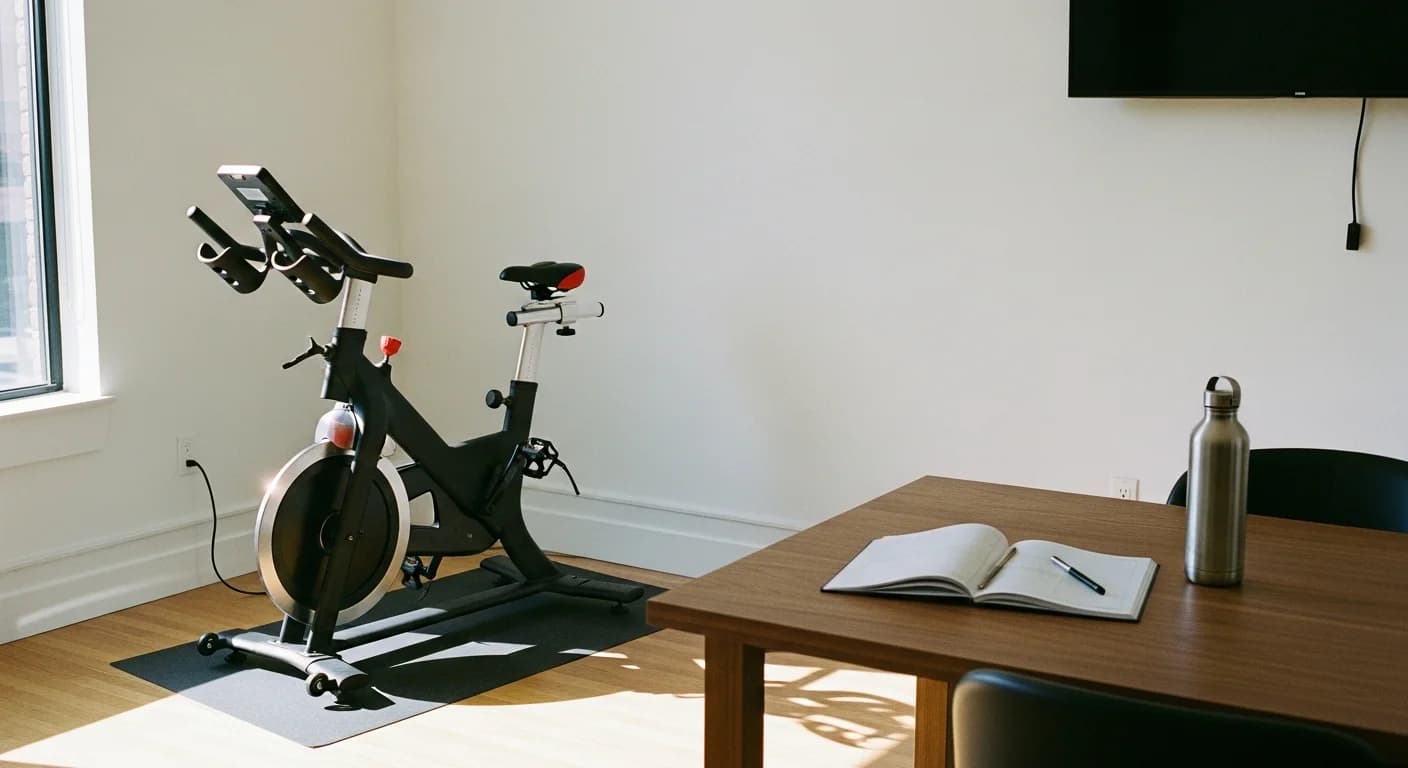
 Figure: Intracarpal canal pressure rises from 13-24 mmHg at neutral wrist posture past the 30 mmHg nerve ischemia threshold when keyboard riser legs or wrist extension are used (Gelberman 1981; Rempel 2008). Matching the keyboard geometry to the median nerve, ulnar nerve, forearm pronators, or shoulder abductors unloads the injured pathway.
Use this anatomical check before changing your gear:
| Where You Feel It | Anatomical Structure Under Load | What Desk Habit Triggers It | Hardware & Medical Fix |
|---|---|---|---|
| Thumb, index, middle, and thumb-side half of the ring finger (often wakes you up at 2 to 4 AM needing to shake your hand out) | Median nerve inside the carpal tunnel at the base of the palm | Pop-up keyboard legs (+15° wrist extension), pressing the underside of the wrist into a soft gel pad, and sleeping with wrists curled | Fold keyboard legs flat (0° or -5° to -15° negative tilt), rest the heel of the palm only during pauses, and wear a neutral 0° to 5° night wrist splint (Cochrane review, Page 2012). |
| Ring and pinky fingers (plus the outer edge of the hand or inner elbow ache) | Ulnar nerve at Guyon's canal (outer wrist) or the cubital tunnel (inner elbow) | Bending wrists outward (ulnar deviation) to line fingers up with straight key rows, pressing the outer heel of the hand on a hard desk edge, or resting elbows on high armrests | Use an angled or split keyboard (Logitech Wave Keys, Kinesis mWave, or Kinesis Freestyle Edge) so wrists stay straight, lower armrests, and keep elbows open past 90 to 100 degrees. |
| Outer elbow and top of the forearm (aching when lifting a coffee mug or typing) | Forearm extensor tendons (ECRB tendon in tennis elbow) and crossed forearm bones (radius over ulna) | Pronation (twisting palms flat down toward the desk for hours) plus holding fingers cocked upward over tall keys | Add 5° to 20° of keyboard tenting (raising the middle of the board), switch to a 57° vertical mouse or thumb trackball, and build tendon capacity with slow dumbbell wrist lifts 3 days a week. |
| Right shoulder blade, upper trap, and side of the neck | Supraspinatus, infraspinatus, and levator scapulae muscles ("mouse shoulder") | Moving your right hand 4 to 6 inches past a built-in right number pad to use your mouse (Hedge 1999; Cook & Kothiyal 1998) | Switch to a tenkeyless (TKL) compact keyboard, a split keyboard without a number pad, or a separate number pad placed on the left side. |
Why do pop-up keyboard legs and plush wrist rests make carpal tunnel worse?
Flipping up the rear feet on a keyboard bends your wrists upward (+15 to +20 degrees) and drives pressure inside the carpal tunnel above 30 mmHg, where blood flow to the median nerve drops and numbness begins (Gelberman et al., JBJS 1981; Rempel et al., 2008).
The carpal tunnel is a narrow, rigid passage on the palm side of your wrist. Nine flexor tendons and the median nerve share that space under a tough ligament roof. When your wrist stays straight at 0 degrees, fluid pressure inside the canal measures 13 to 24 mmHg in healthy and early-stage wrists. Once canal pressure crosses 30 mmHg, tiny blood vessels feeding the median nerve pinch shut. That drop in blood flow starves the nerve of oxygen and triggers pins and needles (Gelberman 1981).
Two features on standard office keyboards push your wrist past that 30 mmHg line:
- The flip-out feet on the back of the keyboard: Old typewriters needed stepped rows so metal arms would not jam. On a computer keyboard, flipping up the rear feet creates an upward slope. That slope forces you to bend your wrists backward (extension) by 15 to 30 degrees to hit the top keys. Extending the wrist to that angle drives carpal tunnel pressure into the 32 to 45 mmHg danger zone (Simoneau et al., 1999; Hedge et al., 1999). Fold those rear legs flat (0 degrees) or tilt the back edge downward (-5 to -15 degrees, called negative tilt) to keep canal pressure low.
- Pressing your wrists into a soft gel wrist rest while typing: A wrist rest should be called a palm heel rest. When you plant the soft underside of your wrist into a plush cushion and stretch your fingers forward, you press straight up against the carpal ligament. At the same time, you lock the wrist in extension, which drives canal pressure to 60 to 90 mmHg. If your keyboard has a support pad (like the firm memory-foam pad on the Logitech Wave Keys or Kinesis boards), rest the bony heel of your palm there only during pauses. Float your wrists lightly like a pianist while your fingers move.
How do split keyboards, tenting, and key switches protect your forearms and shoulders?
Splitting and angling a keyboard outward removes outward wrist bend (ulnar deviation), tenting the inner edges upward by 5 to 20 degrees un-crosses your forearm bones, and dropping the right-side number pad cuts shoulder strain (Rempel et al., 2007; Cook & Kothiyal, 1998).
Placing both hands on a straight, traditional keyboard taxes three joints at once:
- Your wrists bend outward toward your pinky (ulnar deviation): Your shoulders are wider than your keyboard's home row, so your forearms approach a flat board at an inward angle. To line your fingertips up with straight rows of keys, you have to bend both wrists outward by 15 to 25 degrees. In a 5-month randomized workplace trial of 184 computer users by David Rempel and colleagues, switching to a fixed split, tented ergonomic keyboard lowered upper-body pain scores compared with a flat board.
- Your forearms stay twisted palm-down (pronation): Hold your arms out in front of you with your thumbs pointing up like a handshake. Your two forearm bones (the radius and ulna) run side by side, and your outer elbow feels relaxed. Now turn your palms flat toward the desk. The radius crosses over the ulna, twisting the muscles and tendons attached to your outer elbow. Raising the center of the keyboard by 5 to 20 degrees (tenting) and using a vertical mouse or thumb trackball lets your forearms rotate back toward neutral (Schmid et al., 2015).
- Your right shoulder rotates outward past a number pad ("mouse shoulder"): A full-size keyboard puts a 4-to-5-inch block of number keys on the right side. For right-handed mouse users, that number pad forces the right arm to reach out to the side thousands of times a day. Muscle-sensor tests by Cook and Kothiyal (1998) found that removing the right number pad brings the mouse closer to your midline and lowers strain in the deltoid and upper trapezius muscles.
- Key height and spring stiffness matter if your finger joints ache: Enthusiasts love tall mechanical keys with heavy springs. Yet tall key travel and spring forces above 60 grams increase finger flexor and extensor tendon work (Rempel et al., 1999; Radwin & Jeng, 1997). If you have finger tendon soreness or hand arthritis, pick low-profile scissor switches or light mechanical switches (40 to 50 grams of force) so your fingers glide without lifting high.
The three main ergonomic keyboard tiers match up to specific body types and symptoms as follows:
| Keyboard Tier & Examples | Slope, Split & Tenting Geometry | Best Clinical Fit | Trade-Offs to Know |
|---|---|---|---|
| Tier 1: Curved Single-Piece Wave (e.g., Logitech Wave Keys) | 0° flat slope, gentle center swell (mild tenting), outward-angled key rows, firm integrated palm rest. | Mild wrist fatigue or ulnar deviation in typists who want zero learning curve and do not want to relearn touch-typing. | Keeps a compact right-side number pad (still widens mouse reach slightly) and keys sit closer together for larger hands. |
| Tier 2: Fixed Split & Sculpted Tent (e.g., Kinesis mWave, Incase / Microsoft Sculpt style) | 0° or negative-tilt riser, fixed center split, pronounced middle tenting dome, no built-in right number pad. | Carpal tunnel, forearm pronation ache, and right shoulder blade pain in people who want a one-piece setup that stays in place. | Takes 3 to 7 days of typing practice if you cross hands over the center B, Y, or 6 keys. |
| Tier 3: Fully Split 2-Piece Adjustable (e.g., Kinesis Freestyle Edge RGB+, ZSA ErgoDox EZ, ZSA Voyager) | Two separate halves spaced up to 20 inches apart, 5° to 20° tenting, optional -5° to -15° negative tilt, zero number pad. | Broad shoulders, chest tightness, stubborn ulnar or median nerve symptoms, or tennis elbow needing true shoulder-width hand spacing. | Higher cost ($200 to $350+) and a 1-to-2-week learning curve on column layouts like the ErgoDox EZ. |
When is carpal tunnel or wrist pain a metabolic, hormonal, or heart signal?
When carpal tunnel syndrome hits both wrists, travels alongside a trigger finger or frozen shoulder, or starts without a change in desk work, it is often an early warning sign of insulin resistance, hypothyroidism, perimenopause estrogen loss, vitamin B12 deficiency, or transthyretin cardiac amyloidosis.
Inside a 12-minute urgent care or orthopedic visit, hand numbness gets treated as a local plumbing problem. Yet the carpal tunnel is a fixed bony ring packed with nine tendon sheaths. Any whole-body condition that thickens collagen or swells those nine tendon sheaths crowds the median nerve from the inside out:
Fishtown Medicine
A 90-minute conversation with Dr. Ash. A written plan you can follow.
- Prediabetes, diabetes, and insulin resistance (Frozen Shoulder and Blood Sugar): Extra sugar in the blood binds to collagen fibers (glycation) and cross-links them. That process stiffens the carpal ligament and thickens the tendon sheaths. In a meta-analysis of 36 studies by Pourmemari and Shiri, diabetes and prediabetes nearly doubled the odds of carpal tunnel syndrome (OR 1.5 to 2.2). Many patients have a normal fasting glucose while their HbA1c or fasting insulin is already climbing.
- Underactive thyroid (hypothyroidism): Low thyroid hormone causes water-binding sugar proteins to collect inside connective tissue, puffing up the lining around the wrist tendons. Pooled data across 18 studies (Shiri 2014) show hypothyroidism raises carpal tunnel odds more than 2-fold (OR 2.15) in unadjusted analyses and 1.4-fold after accounting for body weight.
- Perimenopause, menopause, and estrogen drop (Musculoskeletal Syndrome of Menopause): Estrogen receptors line tendon sheaths and joint capsules. When estradiol falls in a woman's 40s and 50s (or during aromatase inhibitor therapy for breast cancer), tendon sheath swelling rises. In the Women's Health Initiative randomized trials (Al-Rousan et al., PLoS One 2018), hormone therapy reduced new carpal tunnel rates by 20% to 22%.
- Vitamin B12 deficiency and nerve vulnerability (Small Fiber Neuropathy): Low vitamin B12 (including levels in the grey zone between 200 and 450 pg/mL) or excess vitamin B6 from energy supplements makes peripheral nerves irritable in both hands and feet.
- Bilateral carpal tunnel in adults over 50 (the 5-to-10-year cardiac amyloid early warning): In men over 50 and women over 60 who develop carpal tunnel in both hands, misfolded transthyretin protein (ATTR amyloid) can build up in the wrist ligament 5 to 10 years before it stiffens the heart muscle (Milandri et al., Eur J Heart Fail 2020). In a Cleveland Clinic study by Brett Sperry and colleagues (JACC 2018), biopsying a tiny piece of wrist tissue during carpal tunnel release surgery found hidden amyloid deposits in 10.2% of patients (10 out of 98). Catching that deposit early lets us protect the heart years before heart failure starts.
Guidance from the Clinic

What works before surgery (and where are the limits of ergonomics)?
Neutral wrist splinting at night nearly quadruples 4-week symptom resolution compared with no treatment (Page et al., Cochrane 2012), and a local steroid shot relieves mild-to-moderate carpal tunnel at 1 month, whereas surgical release beats splinting when nerve damage is severe (Jarvik et al., Lancet 2009).
Knowing what a keyboard swap and non-surgical care can and cannot do saves you months of frustration:
- Ergonomic keyboards lower strain, yet they cannot cure severe nerve compression on their own: Rempel's 5-month randomized trial (Rempel 2007) proved split tented keyboards lower hand and arm pain in computer workers. However, a Cochrane review of ergonomic equipment (O'Connor et al., 2012) noted that workstation changes alone have small trial samples once frank carpal tunnel syndrome takes hold. Why? Because most people with carpal tunnel compress their nerve worst in bed at night. Sleeping with wrists curled to 90 degrees pushes canal pressure over 90 to 100 mmHg for hours.
- Pair daytime desk changes with a neutral (0° to 5°) night wrist splint: In the Cochrane review of 19 trials (Page et al., 2012), wearing a neutral wrist splint at night made patients 3.7 times more likely to improve at 4 weeks compared with no treatment (RR 3.86). Leave the rigid splint off while typing during the day so your elbow and shoulder do not fight the brace.
- Tendon and median nerve gliding exercises: Gentle, pain-free nerve gliding movements help move fluid out of the nerve when paired with night splinting (Ballestero-Pérez et al., 2017).
- Skip unproven regenerative cash injections: As we cover in our guides to stem cells and exosomes and emerging science therapies, cash-pay exosome or stem-cell wrist shots lack randomized trial proof for carpal tunnel. When a mild-to-moderate carpal tunnel needs an injection bridge, an ultrasound-guided steroid shot inside the canal relieves 1-to-3-month symptoms (Chesterton Lancet 2018).
- Know when surgical release wins: In randomized trials by Jarvik and colleagues (Lancet 2009, n = 116) and Gerritsen et al. (JAMA 2002, n = 176), carpal tunnel release surgery produced higher 12-month success rates than splinting alone (90% vs. 75% in Gerritsen 2002) for confirmed moderate-to-severe carpal tunnel syndrome. If you wait until the thumb muscle wastes away, even surgery may not bring back full pinch strength.
When should you see a doctor instead of buying a new keyboard?
Book a medical exam right away if your hand numbness stays constant all day, if you start dropping coffee mugs or struggling with buttons, if the muscle pad at the base of your thumb looks flatter, or if turning your neck shoots tingling down your arm.
Check for these five warning signs that mean your nerve needs a clinical exam (and often a nerve conduction study or neck check) instead of a desk upgrade:
- Constant numbness that no longer clears when you shake your hand out (points to continuous median or ulnar nerve pinching).
- Weakness pinching keys, opening jars, or buttoning shirts (shows motor fibers inside the nerve are losing signal).
- Flattening or denting of the fleshy muscle pad at the base of your thumb (thenar atrophy) or between your thumb and index finger (muscle wasting from ulnar nerve loss).
- Neck pain or arm tingling triggered by tilting your head back or looking over your shoulder (points to a pinched nerve root in the neck, such as
C6,C7, orC8cervical radiculopathy, or a "double crush" where the nerve is pinched at both the neck and the wrist, much like lower spine compression in back pain and sciatica). - Two-sided hand numbness in an adult over 50, particularly alongside spinal stenosis, a prior biceps tendon tear, or shortness of breath on stairs (calls for transthyretin amyloidosis screening alongside diabetes and thyroid labs).
How does Fishtown Medicine approach hand, wrist, and desk pain?
At Fishtown Medicine, hand tingling, forearm burn, and right shoulder ache get evaluated across both your physical biomechanics and your whole-body metabolic health in a single 60-to-90-minute visit. Instead of a 10-minute rush that hands you a generic brace or sends you straight to surgery without asking why, Dr. Ash maps the sensory pattern across your fingers. He tests median and ulnar nerve tension alongside your neck (C5 to T1 reflexes and strength), and he reviews photos of your home-office environment and physical activity load.
When symptoms point to systemic crowding of the carpal tunnel or tendon sheaths, we order the blood panel that rushed visits skip: HbA1c, fasting insulin, TSH, Free T4, thyroid antibodies, vitamin B12, methylmalonic acid, hs-CRP, and uric acid, plus hormone testing when perimenopause fits. When a nerve conduction study (EMG), diagnostic ultrasound, or hand specialist consult is needed in Philadelphia, we issue the signed order on the spot and coordinate directly.
If you are in the Philadelphia area and want a clear answer on why your hands, wrists, or shoulders hurt at your desk, tell Dr. Ash what is going on at Fishtown Medicine.
Key Takeaways
- Match the Hardware to the Nerve or Tendon: Thumb, index, and middle finger numbness is the median nerve (carpal tunnel); ring and pinky tingling is the ulnar nerve; outer forearm ache is pronation extensor overload; and right shoulder blade ache is number-pad mouse reach.
- Keep Wrists Below the 30 mmHg Pressure Cutoff (Gelberman 1981; Rempel 2008; Page 2012): Fold rear keyboard legs flat (0° slope) or use negative tilt (-5° to -15°), float your wrists while typing, and wear a neutral 0° to 5° night wrist splint (which raises 4-week recovery 3.7-fold).
- Use Tenting (5° to 20°) and Drop the Right Number Pad (Rempel 2007; Cook & Kothiyal 1998): Curved or split tented keyboards (Logitech Wave Keys, Kinesis mWave, Kinesis Freestyle Edge RGB+, ZSA ErgoDox EZ) reduce forearm pronation and ulnar deviation, while tenkeyless layouts stop right-shoulder abduction reach.
- Check Systemic Labs When Symptoms Hit Both Hands (Pourmemari 2016; Shiri 2014; Sperry 2018): Two-sided carpal tunnel warrants checking HbA1c, fasting insulin, TSH, Free T4, and vitamin B12, and considering perimenopause or (past age 50) early transthyretin amyloidosis.
Related at Fishtown Medicine
- Frozen Shoulder: What It Says About Your Blood Sugar - why collagen glycation links adhesive capsulitis, carpal tunnel, and trigger finger
- Why Tendon Pain Lingers After 35: Achilles, Elbow, and Shoulder Playbook - why cortisone shots relapse in tennis elbow and how 12 weeks of loading heals tendons
- The Musculoskeletal Syndrome of Menopause - how falling estrogen drives joint stiffness, tendon pain, and carpal tunnel
- Small Fiber Neuropathy: When Nerve Pain Has Normal Basic Tests - metabolic, B12, and autoimmune drivers of burning or tingling hands and feet
- Back Pain and Sciatica in Philadelphia - mechanical vs. chemical spine pain and when nerve root compression needs imaging
- Hand or Arm Numbness at Your Desk: Is It Your Wrist or Your Neck? - the Wainner 4-test cluster, double crush syndrome, and when to order EMG vs. cervical MRI
- Why Your Home Office Hurts Your Neck, Back, and Eyes - monitor height (including progressive lenses), lumbar disc angles, the 20-8-2 standing desk rhythm, and bias lighting
- The Clinical Toolkit: Why We Send You to Wirecutter - vetted air, water, sleep, and home-office gear that solves physiological problems
Scientific References
- Intracarpal Canal Pressure & Wrist Posture Biomechanics: Gelberman RH, Hergenroeder PT, Hargens AR, Lundborg GN, Akeson WH. "The carpal tunnel syndrome. A study of carpal canal pressures." J Bone Joint Surg Am. 1981;63(3):380-383; Rempel DM, Keir PJ, Bach JM. "Effect of wrist posture on carpal tunnel pressure while typing." J Orthop Res. 2008;26(9):1269-1273; Simoneau GG, Marklin RW, Monroe JF. Hum Factors. 1999;41(3):413-424; and Hedge A, Morimoto S, McCrobie D. "Effects of keyboard tray geometry on upper body posture and comfort." Ergonomics. 1999;42(10):1333-1349.
- Split & Tented Keyboards, Mouse Reach, and Key Switch Force: Rempel D, Barr A, Brafman D, Young E. "The effect of six keyboard designs on wrist and forearm postures." Appl Ergon. 2007;38(3):293-298; Rempel D, Krause N, Goldberg R, et al. (5-Month Split Keyboard RCT). J Occup Environ Med. 2006;48(3):304-310; Cook CJ, Kothiyal K. "Influence of mouse position on muscular activity in the neck, shoulder and arm in computer users." Appl Ergon. 1998;29(6):439-443; Schmid AB, et al. Appl Ergon. 2015;47:151-156; Rempel D, et al. (Key Switch Force). Ergonomics. 1999;42(9):1143-1151; and Radwin RG, Jeng OJ. Hum Factors. 1997;39(1):130-140.
- Night Splinting, Corticosteroid Injection & Surgical Release Trials: Page MJ, Massy-Westropp N, O'Connor D, Pitt V. "Splinting for carpal tunnel syndrome." Cochrane Database Syst Rev. 2012;(7):CD010003; O'Connor D, Page MJ, Marshall SC, Massy-Westropp N. (Ergonomic Positioning and Equipment). Cochrane Database Syst Rev. 2012;(1):CD009600; Jarvik JG, Comstock BA, Kliot M, et al. "Surgery versus non-surgical therapy for carpal tunnel syndrome: a randomised parallel-group trial." Lancet. 2009;374(9695):1074-1081; Gerritsen AA, de Vet HC, Scholten RJ, et al. JAMA. 2002;288(10):1245-1251; and Chesterton LS, Blagojevic-Bucknall M, Burton C, et al. (INSTINCTS Trial). Lancet. 2018;392(10156):1423-1433.
- Systemic Drivers (Diabetes, Hypothyroidism, Menopause & Transthyretin Amyloidosis): Pourmemari MH, Shiri R. "Diabetes as a risk factor for carpal tunnel syndrome: a systematic review and meta-analysis." Diabet Med. 2016;33(1):10-16; Shiri R. "Hypothyroidism and carpal tunnel syndrome: a meta-analysis." Muscle Nerve. 2014;50(6):879-883; Al-Rousan T, Sparks JA, Pettinger M, et al. "Menopausal hormone therapy and the incidence of carpal tunnel syndrome in postmenopausal women: Findings from the Women's Health Initiative." PLoS One. 2018;13(8):e0201899; Sperry BW, Reyes BA, Ikram A, et al. "Tenosynovial and Cardiac Amyloidosis in Patients Undergoing Carpal Tunnel Release." J Am Coll Cardiol. 2018;72(17):2040-2050; and Milandri A, Farioli A, Gagliardi C, et al. Eur J Heart Fail. 2020;22(3):507-515.

Frequently Asked Questions
Common Questions
Deep-Dive Questions
Ready when you are
The chat is our AI assistant, answering from our published guides. To talk it through with Dr. Ash himself, start with the intake.