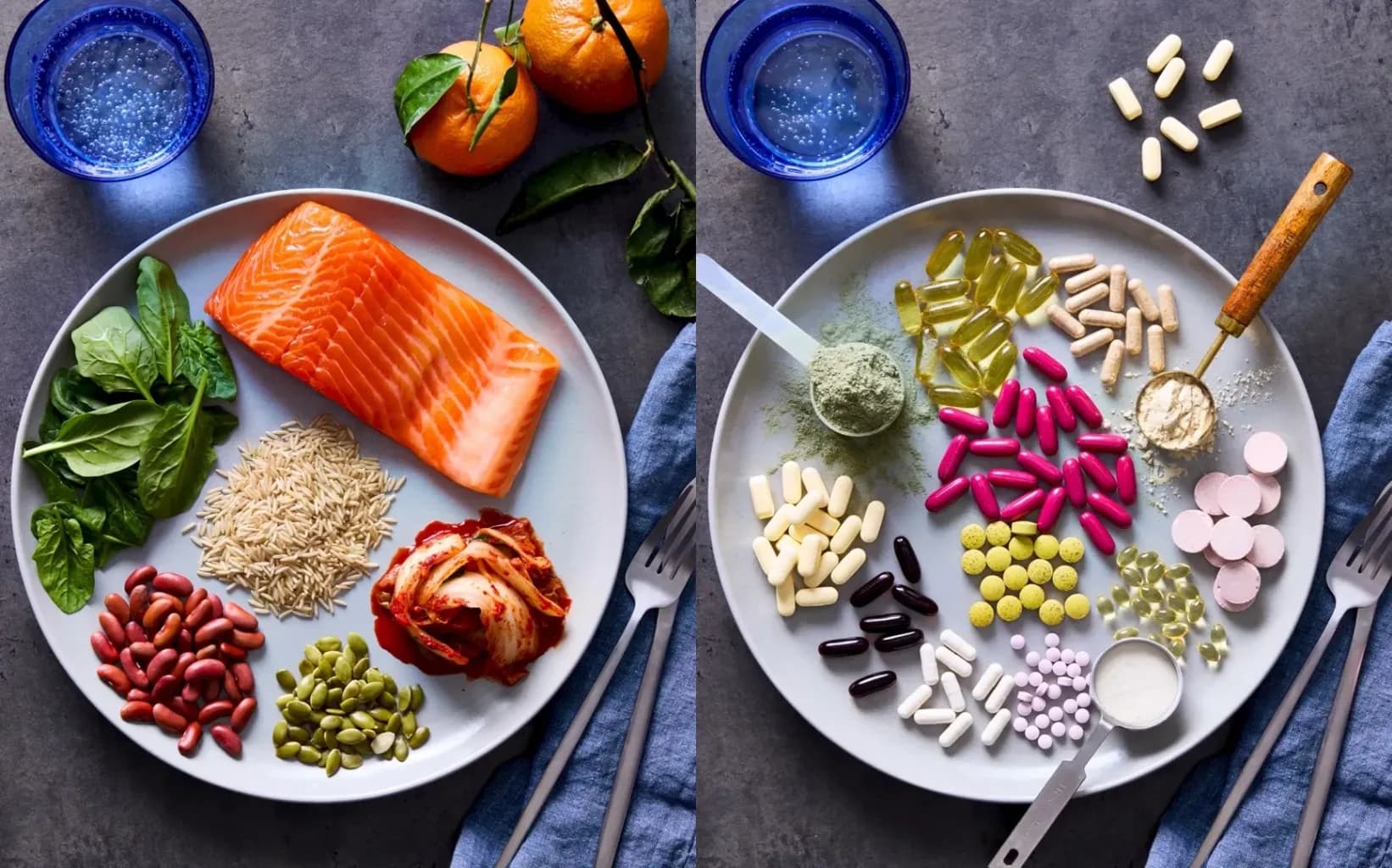

Yes, Fishtown Medicine builds preconception plans, for both partners, and the ideal runway is about 90 days because that is roughly how long an egg takes to mature and a sperm takes to be built. The plan has 5 parts: labs first (thyroid with a TSH goal under 2.5, fasting insulin, ferritin, vitamin D, B12, and methylation status); the nutrients most prenatals miss, led by choline at 450 to 550 mg a day; CoQ10 as ubiquinol for egg and sperm quality, most relevant over 35; strength training 2 to 3 days a week plus zone 2 cardiovascular conditioning, because pregnancy is a months-long metabolic and cardiovascular event worth training for; and the stop list, from alcohol to hot tubs to medications that quietly work against fertility. Dr. Ash partners with your OB or midwife rather than replacing them.
TL;DR: The egg that ovulates this month started maturing about 90 days ago, and the sperm that meets it took about the same time to build. That means the healthiest possible conception is planned a season in advance, by both partners. The plan is not complicated: run the right labs, close the nutrient gaps most prenatals miss (choline above all), add CoQ10 when age or labs argue for it, build strength and cardiovascular conditioning while training is still easy to start, and clear the stop list. This is the runway we build at Fishtown Medicine, in partnership with your OB or midwife.
Most preconception advice begins and ends with "take a prenatal and stop drinking." Both are correct, and they are maybe a fifth of what the evidence supports. The couples who feel best through pregnancy, and recover fastest after it, tend to be the ones who treated the months before conception as preparation rather than waiting.
The biology sets the schedule. A follicle spends roughly 90 days maturing before it releases an egg, and spermatogenesis runs about 72 to 90 days from start to finished sperm. The choices either partner makes today are written into the cells that will meet 3 months from now. That is not pressure; it is opportunity, because it means almost everything below has time to work.
What labs should we run before trying?
Labs come first because they tell us which parts of the plan matter for you, and the panel goes past "you're healthy, good luck." The core set we run at Fishtown Medicine:
- Thyroid, read tightly. The lab's reference range for TSH runs to about 4.0, but for conception we want it under 2.5, with free T4 and TPO antibodies checked, because a struggling thyroid raises miscarriage risk and drags energy through pregnancy. Our fertility optimization guide covers why the standard range is too loose here.
- Insulin and glucose. Fasting insulin 3 to 6, plus A1C. Quiet insulin resistance degrades egg quality, complicates implantation, and sets up gestational diabetes later. This is also where training earns its place, which is coming below.
- Ferritin above 75. Pregnancy consumes iron aggressively. Starting low means spending 9 months behind.
- Vitamin D at 70 to 78 ng/mL, checked rather than guessed, because Philadelphia winters almost guarantee a gap.
- B12, homocysteine, and methylation status, which decide whether methylated folate beats standard folic acid for you.
- For the partner: a semen analysis when anything in the history suggests it, and the same metabolic labs, because sperm are built by the same body systems.
Which nutrients do most prenatal plans miss?
The prenatal aisle is where good intentions go to get diluted, and the full teardown lives in our prenatal supplement guide. The short version for the preconception window:
- Choline is the headline gap. It is essential for fetal brain and spinal cord development, the target is about 450 to 550 mg a day between food and supplement, and many popular prenatals contain little or none. Eggs are the food answer (a yolk carries about 150 mg), and a supplement covers the rest. Starting before conception matters because the neural tube forms in the first weeks, often before a positive test.
- Folate, in the right form. 400 to 800 mcg daily starting at least a month before trying. If your methylation labs argue for it, methylated folate (5-MTHF) instead of synthetic folic acid.
- Iodine and omega-3 DHA, both common gaps in an American diet and both cheap to fix.
- Iron, dosed to your ferritin, not to a label.
A prenatal with an NSF or USP seal, a meaningful choline dose, and methylated B vitamins covers most of this. The point of the labs is to personalize the rest instead of stacking pills on faith.
Should we take CoQ10?
CoQ10 is the supplement with the best case in the preconception window, and it still deserves careful framing. Eggs and sperm are among the most energy-hungry cells in the body, each one running on mitochondria that age with the rest of us. Trials suggest CoQ10 can improve sperm count, motility, and morphology, and may protect egg quality from oxidative stress, with the signal strongest for people over 35. That is "suggest," not "prove," and we say so plainly.
When it fits, we use the ubiquinol form at 200 to 600 mg daily, split with meals that contain fat, for both partners, ideally through the full 90-day runway. The CoQ10 clinical guide covers forms, dosing, and who should skip it.
Why does strength training belong in a preconception plan?
Because muscle is the largest insulin-sensitive tissue you own, and insulin sensitivity is fertility infrastructure. Every pound of trained muscle gives glucose somewhere to go, which steadies blood sugar, calms the hormonal environment eggs mature in, and measurably lowers the risk of gestational diabetes later. Strength also carries the mechanical load of pregnancy: a trained back, core, and hips handle the third trimester and the recovery after delivery in a way an untrained body has to improvise.
The preconception window is also simply the right time to start. Obstetric guidance supports continuing established exercise through a healthy pregnancy, and it is far easier to continue a practice than to begin one mid-pregnancy. The prescription is unheroic: 2 to 3 days a week of compound movements (squat or leg press, hinge, press, row), weights that feel like effort by the last few repetitions, progressed gradually. If you have never lifted, a few sessions with a good coach now pays off for the next 2 years.
This applies to both partners. The metabolic health that builds a good egg builds good sperm on the same timeline.
Why does cardiovascular conditioning matter before pregnancy?
Fishtown Medicine
A 90-minute conversation with Dr. Ash. A written plan you can follow.
Pregnancy is a months-long cardiovascular event, and it helps to train for it like one. Blood volume expands by roughly 40 to 50%, cardiac output climbs, and by the third trimester the heart is doing more work at rest than it did before conception on a brisk walk. A body with an aerobic base handles that ramp with room to spare; a deconditioned one feels it as breathlessness, fatigue, and a harder labor and recovery.
The base is built the boring way: mostly zone 2, meaning 150 minutes or more a week of work at a pace where you can still speak in sentences - brisk walking with hills, easy cycling, swimming, the Schuylkill River Trail counts. Add stairs or short pickups once the base exists. None of this requires a gym membership or a race bib, and every week of it before conception is capacity you will spend gladly later.
What belongs on the stop list?
The subtractions matter as much as the additions, and 90 days is enough time for most of them to pay off:
- Alcohol, for both partners. It measurably degrades sperm parameters and egg quality, and there is no established safe dose once you may be pregnant.
- Smoking and vaping, the single strongest lifestyle lever for fertility in either partner.
- Heat on the testes: hot tubs, saunas, and laptops parked on laps suppress sperm production for the full 90-day cycle that follows.
- A medication review, done properly. Finasteride, testosterone therapy (which suppresses sperm production, sometimes profoundly - our male fertility guide covers preserving fertility on TRT), retinoids, and several common prescriptions deserve a planned exit or a swap, not a panicked one after a positive test.
- Ultra-processed load, traded for the protein, eggs, fish, legumes, and produce that carry the nutrients above in their food form.
How does Fishtown Medicine run the preconception plan?
As one plan for 2 people with one physician reading all of it. The labs go in on day one for both partners, the results get read together with no timer, and the plan that comes out covers the nutrients, the training, the stop list, and the timeline, personalized to what the numbers found. When something needs a specialist, a reproductive endocrinologist, a urologist for a semen-analysis finding, we reach out on your behalf and fold the answer back into the plan.
And the boundary is worth stating plainly: we are the architects of the soil, not your OB. Pap smears, pelvic exams, and pregnancy care itself belong with your OB or midwife, and we coordinate with them rather than replacing them. If you are already working with a midwifery practice, our page for Magpie Midwifery families describes how that partnership runs in practice. What we own is the metabolic, hormonal, and conditioning groundwork that makes their job, and your pregnancy, easier.
Key Takeaways
- The runway is 90 days, for both partners. Eggs and sperm maturing today carry today's habits into conception a season from now.
- Labs first: TSH under 2.5 with antibodies, fasting insulin 3 to 6, ferritin above 75, vitamin D 70 to 78, B12 and methylation status, and a semen analysis when history calls for it.
- Choline is the gap most prenatals miss: 450 to 550 mg a day, started before conception. CoQ10 (ubiquinol, 200 to 600 mg) earns its place for many, most clearly over 35.
- Train for it: strength 2 to 3 days a week builds the insulin sensitivity fertility runs on, and zone 2 cardio builds the base a 40 to 50% blood-volume expansion will draw against.
- Subtract deliberately: alcohol, smoking, testicular heat, and a planned medication review beat a panicked one after a positive test.
Scientific References
- Gaskins AJ, Chavarro JE. "Diet and Fertility: A Review." American Journal of Obstetrics and Gynecology. 2018;218(4):379-389.
- Caudill MA, Strupp BJ, Muscalu L, Nevins JEH, Canfield RL. "Maternal Choline Supplementation During the Third Trimester of Pregnancy Improves Infant Information Processing Speed: A Randomized, Double-Blind, Controlled Feeding Study." FASEB Journal. 2018;32(4):2172-2180.
- Wallace TC, Blusztajn JK, Caudill MA, et al. "Choline: The Underconsumed and Underappreciated Essential Nutrient." Nutrition Today. 2018;53(6):240-253.
- Ben-Meir A, Burstein E, Borrego-Alvarez A, et al. "Coenzyme Q10 Restores Oocyte Mitochondrial Function and Fertility During Reproductive Aging." Aging Cell. 2015;14(5):887-895.
- Salas-Huetos A, Bulló M, Salas-Salvadó J. "Dietary Patterns, Foods and Nutrients in Male Fertility Parameters and Fecundability: A Systematic Review of Observational Studies." Human Reproduction Update. 2017;23(4):371-389.
- American College of Obstetricians and Gynecologists. "Physical Activity and Exercise During Pregnancy and the Postpartum Period: Committee Opinion No. 804." Obstetrics & Gynecology. 2020;135(4):e178-e188.
Related at Fishtown Medicine
- Fertility Optimization & Pre-Conception Health - the lab-by-lab workup this plan is built on
- The Prenatal Supplement Trap - how to vet a prenatal, and the choline gap in detail
- CoQ10 Clinical Guide - forms, dosing, and who benefits
- Male Fertility on TRT - preserving fertility when testosterone therapy is part of the picture
- Postpartum Care in Philadelphia - the other end of this runway, planned the same way

Frequently Asked Questions
Common Questions
Deep-Dive Questions
Ready when you are
The chat is our AI assistant, answering from our published guides. To talk it through with Dr. Ash himself, start with the intake.