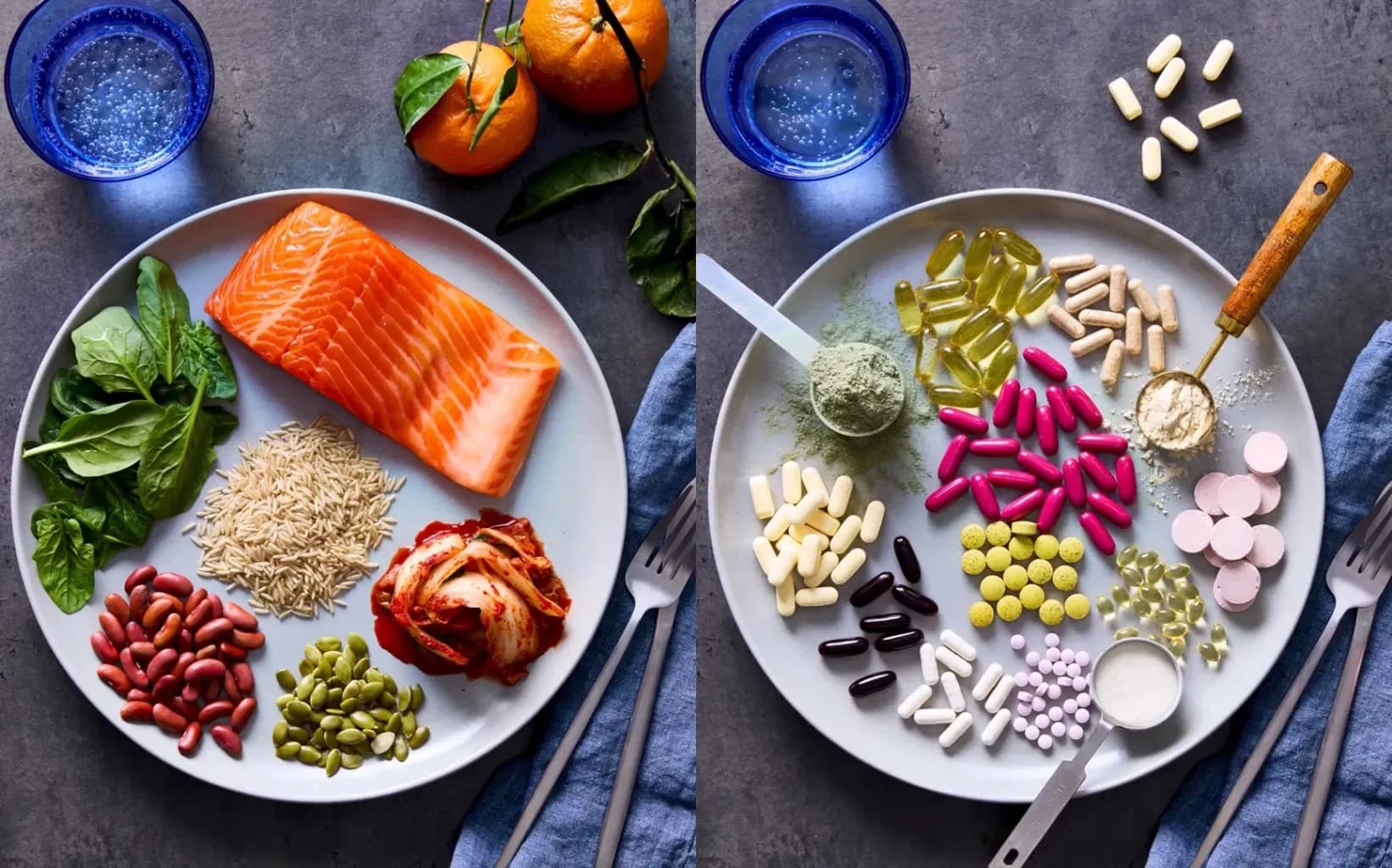
Most commercial supplements fail to change objective biology, yet many people feel a noticeable lift during the first few weeks of taking them. Across 186 clinical trials, roughly 50% to 59% of the perceived symptom boost comes from the placebo expectation response - endogenous dopamine, endorphins, and pain-modulating signals released by your own brain when social media and packaging prime you to expect relief. Because expectation effects typically fade by Month 3 to Month 6 while 57% to 74% of tested marketplace bottles fail label accuracy, the smartest clinical move is to match every supplement to an objective blood marker (like ferritin, 25-OH Vitamin D, or homocysteine) and retest at 90 days.
TL;DR: Many people start a new supplement, feel a clear boost in energy or focus for 3 weeks, and then wonder why the magic fades by month 3. You are not imagining that early boost. Across 186 clinical trials, 50% to 59% of the relief people feel from commercial supplements comes from the expectation response. When social media videos prime you to expect relief, your own brain releases dopamine and natural pain relievers. Meanwhile, lab audits show that 17 out of 30 (57%) immune supplements bought on Amazon had false labels (Crawford et al., JAMA Network Open 2022). Another 74% of retail CBD products missed their stated dose (Spindle et al., 2022). Worse, 776 FDA-warned supplements hid prescription drugs inside the bottle (Tucker et al., JAMA Network Open 2018). At Fishtown Medicine, we tie every supplement to a blood marker, require
USPorNSFbatch seals, and retest your blood at 90 days.
Why Do So Many People Feel Better in Week 3 on a Supplement That Does Nothing in Month 6?
People feel a lift during the first few weeks because expectation tells the brain to release its own dopamine and natural endorphins. That brain-driven boost peaks around Week 3 and fades by Month 6.
Patients often tell me a new "focus blend" or "adrenal powder" helped them feel sharper for 3 weeks before wearing off. I never tell them it was all in their head. If you felt a boost, that feeling came from physical brain chemistry. Your own brain made the chemicals, and the pill took the credit.
In our practice, we use targeted supplements every day when a blood test shows a deficiency and the bottle is batch-tested. The other 85% of bottles on the shelf feel convincing at first and then drain your bank account. To see why, it helps to look at how the brain turns expectation into physical energy.
 Figure: Across 186 clinical trials, expectation and social contagion drive 50% to 59% of the early symptom boost people feel after starting a supplement, peaking around Week 3 before decaying back to baseline by Month 6. By contrast, correcting a true biochemical deficiency - such as iron bisglycinate for ferritin below 30 ng/mL or Vitamin D3 for 25-OH-D below 20 ng/mL - produces a steady, durable rise in both tissue stores and clinical symptoms.
How Does Your Brain Create a Physical Boost From an Inert Capsule?
Your brain creates a physical boost through the placebo expectation pathway. It releases natural opioids, dopamine, and pain-calming signals that change fatigue, mood, and focus.
When you swallow a pill expecting more energy or deeper sleep, your brain's reward centers go to work. They release the same brain chemicals targeted by prescription drugs. You are not pretending to feel better. Your nervous system has changed its own chemistry in response to taking action.
The size of that internal boost surprises even doctors:
- Across 186 randomized clinical trials testing supplements for pain, fatigue, and mood, 50% of the total improvement happened in the sugar-pill group. Taking a capsule and expecting relief did half the work.
- Even with active stimulants like caffeine, trials show that up to 59% of the alertness boost comes from expecting caffeine to work. The caffeine molecule itself drives less than half of what you feel.
If expectation drives more than half the kick of caffeine, think about what happens with a $60 bottle of "brain fog herbs." Those blends hold tiny dust doses of 5 roots, while your brain does the heavy lifting.
Why Does Social Media Supercharge the Expectation Loop?
Social media supercharges the placebo response through social priming. Watching dozens of first-person video reviews trains your brain's reward circuits to expect relief before you even open the bottle.
Brain-imaging research on social placebo effects explains how this works. When you watch another person describe relief from pain, anxiety, or exhaustion, your brain lights up the same reward pathways. When your feed shows 10 videos in a row of people praising a green powder, your brain builds a strong expectation before the box reaches your door.
That sets off a costly 3-step loop:
- Social Priming: Ten short videos convince your nervous system that a specific bottle creates morning energy.
- The Week 1 to 3 Honeymoon: You swallow the pill, your brain releases dopamine, and you feel brighter for 2 to 3 weeks.
- The 6-Month Fade: The pill never fixed a root medical issue like low ferritin, sleep apnea, or insulin resistance. Between Month 2 and Month 6, your brain's novelty response wears off. You feel tired again, blame a busy week at work, and buy the next bottle in your feed.
| Clinical Dimension | Expectation / Placebo Response | True Biochemical Deficiency Repletion |
|---|---|---|
| Onset of Perceived Relief | Immediate (Day 2 to Week 3 honeymoon peak) | Gradual (4 to 12 weeks as cellular and tissue stores rebuild) |
| Durability at Month 6 | Fades back to baseline as neural novelty habituates | Sustained as long as target blood level holds |
| Objective Lab Change at 90 Days | None (Ferritin, 25-OH-D, Homocysteine, hs-CRP unchanged) | Measurable, dose-dependent rise into optimal target range |
| Product Format | Multi-ingredient proprietary blends, greens powders, $200/mo custom packs | Single-ingredient, USP/NSF-verified compound at human trial dose |
What Did Independent Lab Audits Find Inside Commercial Supplement Bottles?
Independent lab audits show that more than half of tested retail supplements fail basic label accuracy. They either miss their listed ingredients or contain hidden drugs and heavy metals.
Even when you pick an ingredient backed by human trials, the bottle is often mislabeled unless it carries an independent batch seal:
- 57% of Amazon Immune Supplements Mislabeled: Researchers led by Dr. Cindy Crawford tested 30 immune supplements bought on Amazon (Crawford et al., JAMA Network Open 2022). 17 of the 30 bottles (57%) had false labels. Thirteen missed listed ingredients, and 9 held extra unlisted compounds.
- 74% of Retail CBD Products Mislabeled: A lab audit of 202 nonprescription CBD products (Spindle et al., JAMA Network Open 2022) found that 74% held the wrong amount of CBD. Eighteen percent had too little, 55% had too much, and dozens held heavy metals like lead.
- 776+ FDA Warnings for Hidden Drugs: California public health researchers analyzed FDA warning records (Tucker et al., JAMA Network Open 2018). They found 776 dietary supplements (and over 1,000 through 2021) spiked with hidden prescription drugs. Those included banned stimulants in weight-loss pills and steroids in muscle builders.
Where Do Targeted Supplements Earn Their Keep in Preventive Medicine?
Targeted supplements work when 3 things line up. You need a proven deficiency on bloodwork, a clear way to retest the number, and a single-ingredient, batch-tested bottle at a human trial dose.
In our practice, the supplements that move both blood markers and how you feel are simple:
- Vitamin D3 (paired with K2): Standard labs call 30 ng/mL "normal," which is the floor to prevent bone softening. We dose
25-OH Vitamin Dto a target of 40 to 60 ng/mL and recheck at 90 days. - Magnesium Glycinate: Used at 300 to 400 mg at night when diet intake is low, sleep is broken, or medications drain your body's stores.
- EPA/DHA Omega-3s: The typical American red blood cell Omega-3 Index is near 4% (high heart risk). We use an
IFOS-certified fish oil to reach a protective target of 8% to 12%. - Targeted B Vitamins: Standard lab sheets allow homocysteine up to 15 umol/L, even though vessel injury starts above 9. We use methylated B vitamins when homocysteine (
> 8 to 9 umol/L) or methylmalonic acid (MMA) shows a B12 or methylation gap. - Folic Acid / 5-MTHF & Choline: Used for women planning pregnancy or currently pregnant.
- Iron Bisglycinate: Standard labs mark ferritin as "normal" down to 15 ng/mL, a level where hair shedding and fatigue are common. We treat when ferritin falls below our 50 to 75 ng/mL target.
- Creatine Monohydrate (5 g/day): Backed by hundreds of human trials for muscle energy, strength, and mental sharpness after short sleep.
How Do We Audit a Bag of Supplements in the Exam Room?
When a patient brings 12 bottles to a visit at Fishtown Medicine, we never judge them for trying to feel better. We line the bottles up and run 5 simple buyer rules:
- Look for a third-party seal (
USP,NSF,ConsumerLab, orIFOS): Without independent batch testing, you are trusting a marketing sticker. - Skip proprietary blends and monthly custom packs: Multi-ingredient packs hide tiny dust doses and force minerals to fight each other in your gut (see why online "customized" supplement programs fail).
- Walk away from vague "boost" and "support" claims: A proven medical compound can name the blood marker it changes.
- Skip social-media-only brands: If a product lives mainly in influencer reels without a batch Certificate of Analysis (
CoA), leave it on the shelf. - Tie every bottle to a 90-day lab check: If you take Vitamin D3, your
25-OH-Dshould climb. If you take methylated B vitamins, yourhomocysteineandMMAshould drop. If you take iron, yourferritinshould rise. When a bottle fails to move your lab number or symptom at 90 days, we stop it and save your money.
4 Steps You Can Take Today
- If you take more than 2 bottles -> put them on the kitchen counter tonight and take a photo: Bring the photos to your next doctor visit for a clear dose and drug-interaction check.
- If a bottle lacks a named
USP,NSF, orIFOSseal -> set it aside today: Unless your doctor has checked a batch Certificate of Analysis, cut unverified blends before buying another refill. - If you cannot name the blood marker a bottle treats -> check baseline labs before buying more: Ask your doctor to check
25-OH Vitamin D,Ferritin,Vitamin B12,MMA,Homocysteine, andOmega-3 Index. That shows which pills are doing measurable work. - If supplement ads fill your social feed -> mute 3 wellness accounts for 30 days: Stepping out of the daily social media loop is the fastest way to stop buying fixes for problems you do not have.
Want to Go Deeper?
Explore the companion guides in our Digital Health Literacy and Clinical Supplement series:
- Why $200/Month "Customized" Supplement Programs Fail - intestinal transport competition and financial toxicity
- The Placebo Effect, Social Media, and Why Supplements Feel Like They Work - the neurobiology of expectation
- Quality and Contamination: What's Inside Your Supplement - FDA tainted-supplement data and batch auditing
- Peptides: What's Approved, What's Gray Market, and What's Dangerous - separating FDA-approved GLP-1s from gray-market research vials
- How We Choose Supplements: Need, Safety, Dose, Then Cost - our 4-gate clinical filter and $0-markup pass-through model
- The Supplement Strategy: A Clinical Decision Framework - how we set 90-day exit dates
- The New York Times Is Right (And Wrong) About Supplements - why blanket skepticism and blanket hype both miss the mark
Scientific References
- Crawford C, Avula B, Lindsey AT, et al. "Analysis of Select Dietary Supplement Products Marketed to Support or Boost the Immune System." JAMA Network Open. 2022;5(8):e2226040. PubMed
- Tucker J, Fischer T, Upjohn L, Mazzera D, Kumar M. "Unapproved Pharmaceutical Ingredients Included in Dietary Supplements Associated With US Food and Drug Administration Warnings." JAMA Network Open. 2018;1(6):e183337. PubMed
- Spindle TR, Sholler DJ, Cone EJ, et al. "Cannabinoid Content and Label Accuracy of Hemp-Derived Topical, Sublingual, and Edible Products Available Online and at Retail Locations." JAMA Network Open. 2022;5(7):e2223019. PubMed
- O'Connor EA, Evans CV, Ivlev I, et al. "Vitamin and Mineral Supplements for the Primary Prevention of Cardiovascular Disease and Cancer: Updated Evidence Report and Systematic Review for the US Preventive Services Task Force." JAMA. 2022;327(23):2334-2347. PubMed
Medical Disclaimer
This page is for educational purposes and is not medical advice for any individual patient. Consult your personal physician before starting, stopping, or changing supplements if you take prescription medications, have a chronic medical condition, or are pregnant or nursing.
Ready when you are
The chat is our AI assistant, answering from our published guides. To talk it through with Dr. Ash himself, start with the intake.