
The 4 Horsemen are the 4 diseases that end most lives: heart disease and stroke, cancer, dementia, and the metabolic problems that feed the other 3. Peter Attia popularized the name in his book Outlive. All 4 start 20 to 40 years before anyone gets a diagnosis, which means the useful question is not whether you have one yet. It is what your body is already doing about them. The tests that answer that are ApoB and Lp(a) for your arteries, screening matched to your family history for cancer, sleep and blood sugar and hearing for your brain, and fasting insulin for metabolism. Start in your 30s, or sooner if a parent or sibling was diagnosed young.
Most people arrive at this idea from one of 2 places. Either a parent or a sibling was diagnosed with something at an age that felt far too young, or a routine visit produced a number slightly outside the range and nobody explained what it meant. Both are reasonable reasons to want a clearer picture, and both deserve a better answer than waiting to see what happens.
Four diseases account for the large majority of deaths that are not accidents: atherosclerotic disease, cancer, neurodegeneration, and metabolic dysfunction. What they have in common matters more than what separates them. Each one builds for decades in silence, each one is measurable long before it is diagnosable, and each one responds far better to a change made early than to a heroic effort made late.
Where does the Four Horsemen idea come from?
The framing belongs to Dr. Peter Attia, who popularized the term in his 2023 book Outlive: The Science and Art of Longevity, alongside the related idea he calls Medicine 3.0. Credit where it is owed: naming these 4 as a set is what turned a scattered pile of screening advice into something a person can hold in their head and act on. The underlying science is not his and was never claimed to be, since preventive cardiology, metabolic medicine, and dementia-risk research each have their own long literatures. What the framing added was a way of seeing them together.
We use it here for the same reason, and we have written more about the broader model in our guide to Medicine 3.0. Where our version differs is in the follow-through, because a framework is only worth as much as the testing and the plan that come after it.
What are the Four Horsemen?
| Horseman | What it becomes | Roughly when it starts building |
|---|---|---|
| Atherosclerotic disease | Heart attack, stroke, vascular dementia | Teens and 20s |
| Cancer | Tumors and blood cancers | Varies, often 10 to 20 years pre-diagnosis |
| Neurodegeneration | Alzheimer's, Parkinson's, other dementias | 20 to 30 years before memory changes |
| Metabolic dysfunction | Insulin resistance, type 2 diabetes, fatty liver | Often the earliest of the 4 |
The 4th one is different in kind from the other 3, and that difference is the most useful thing on this page. Metabolic dysfunction behaves less like a 4th disease standing beside the others and more like the soil they grow in, which is why it gets attention first in almost every plan we build.
Horseman 1: Atherosclerotic disease
This is the one with the most cumulative arithmetic behind it. Plaque builds in proportion to how many atherogenic particles pass through your artery wall and for how many years, which means a moderately elevated number at 30 does more lifetime damage than a high number caught at 60.
The number that matters most is ApoB. Every particle that can lodge in an artery wall carries a single ApoB protein, so ApoB counts the particles rather than estimating the cholesterol riding inside them. That distinction is not academic. A person with small dense particles can have a reassuring LDL and a concerning ApoB at the same time, which is how a patient gets told their cholesterol is fine for a decade before their first event.
What we aim for depends on risk, and the tiering is the point rather than a detail:
- 60 to 80 mg/dL for most adults doing general prevention.
- 60 mg/dL and under when lipoprotein(a) is elevated, meaning 70 nmol/L or above, when there is an early family history of cardiac or coronary vascular disease, meaning a relative affected under the age of 55, or when imaging has already found plaque, including soft plaque on a CT angiogram.
Lipoprotein(a) deserves its own paragraph because it is the most under-ordered test in this whole framework. It is inherited, it is stable across your life, roughly 1 in 5 people carry an elevated level, and a single test settles the question permanently. It also moves you into the stricter ApoB tier before any imaging happens, which matters because the blood test is inexpensive and the scan is not. If you have never had it drawn, that is the one to ask about. Our full guide is Lp(a) and inherited cardiovascular risk.
When the blood work leaves the picture ambiguous, advanced heart imaging shows the plaque itself rather than the risk of having it.
Horseman 2: Cancer
Cancer is the horseman where the answer includes the most uncertainty, and pretending otherwise does nobody any favors. Prevention does less work here than it does for the other 3, and early detection does more. Survival for most cancers depends heavily on the stage at which they are found, which puts the leverage on catching things sooner rather than on any particular lifestyle promise.
The foundation is standard screening for colorectal, breast, cervical, and lung cancer, done on time rather than eventually. Which test we offer first is worth asking about rather than assuming, because for colorectal and cervical screening the option we lead with is often less invasive than the one people are bracing for, and our full approach is laid out in cancer screening. Skipping the foundation in favor of something newer and more expensive is a common and costly mistake.
On top of that foundation, and only on top of it, sit the additional options: multi-cancer early detection blood tests and whole-body imaging, both covered in our guide to early cancer detection. Both have false positives that lead to follow-up testing, and both can miss things. They add the most for people whose family history puts them at higher risk and whose standard screening is already current.
The part that changes decisions most often is the family history itself. Which relative, which cancer, and at what age, mapped properly, is what determines whether your screening should start earlier than the general guidelines say.
Horseman 3: Neurodegeneration
Alzheimer's disease begins changing the brain roughly 20 to 30 years before anyone notices a memory problem, which is a hard fact and also a hopeful one. It means the window for doing something useful is open during the decades when most people assume there is nothing to do.
Risk here has several inputs. APOE genotype sets a baseline you cannot change, and knowing it changes how aggressively everything else gets managed. Around that baseline sit the factors that respond to effort, and the Lancet Commission on dementia prevention has done the work of quantifying them: hearing loss in midlife, high blood pressure, physical inactivity, diabetes, social isolation, depression, smoking, excess alcohol, air pollution, and head injury together account for a substantial share of cases.
Two of those deserve calling out because they get overlooked. Hearing loss in midlife is one of the largest single modifiable contributors, and hearing aids are a dementia intervention that almost nobody frames as one. And sleep is not passive time, since the glymphatic clearance that removes metabolic waste from the brain runs primarily during deep sleep. Years of short or fragmented sleep are years of reduced clearance, which is part of why untreated sleep apnea shows up so often in this conversation.
More detail lives in our guide to brain health markers.
Horseman 4: Metabolic dysfunction
This is the one that decides how fast the other 3 move.
Insulin resistance develops years before blood sugar rises enough to be called prediabetes, and a decade or more before a diabetes diagnosis. During that whole silent stretch, a standard fasting glucose and HbA1c can look reassuring while the underlying problem is already established, because the pancreas compensates by producing more insulin and the glucose stays normal on the strength of that extra effort. Fasting insulin is what makes the compensation visible, and it is rarely ordered.
Why it accelerates everything else is mechanistic rather than vague. Insulin resistance drives the liver to produce more atherogenic particles, which feeds Horseman 1. It raises circulating insulin and IGF-1 signaling, which are growth signals, and that touches Horseman 2. It impairs how the brain uses glucose and worsens vascular health, which feeds Horseman 3. Fixing it is the intervention with the widest reach, and it is also the one most responsive to changes in food, movement, and sleep.
Our starting point on this is understanding insulin resistance, and the practical side is in metabolic health.
What about the horseman that is not on the list?
For anyone under about 45, none of the 4 is the most likely cause of death. Accidents are, and that includes overdose, falls, and car crashes. A longevity plan that tracks 4 chronic diseases while ignoring the thing statistically most likely to kill a 35-year-old is not a complete plan, which is why we wrote accidental death prevention as the missing 5th piece.
It is also the least fashionable part of preventive medicine, and it is worth more attention than it gets.
How is this different from an annual physical?
The difference is not that one is thorough and the other is not. It is what the numbers are compared against.
A standard visit compares your results to a reference range, which is built from the distribution of results in a general population. Falling inside that range means you resemble other people your age, and since many of those people are developing these 4 conditions, resembling them is a low bar. A prevention-focused reading compares your results against where risk is low, and treats a drifting trend across 3 years as information rather than waiting for a single result to cross a threshold.
The second difference is timing. Standard care acts at the point a diagnosis becomes defensible. The whole argument of this framework is that acting 10 or 20 years earlier is easier, cheaper, and more effective, which is the case we make in healthspan vs lifespan.
How do we go after them? GER·O·SPAN
Naming the 4 Horsemen tells you what is coming. It does not tell you what to do on a Tuesday, and that gap is where most longevity content stops.
GER·O·SPAN is the framework we use for the second half. It sorts the work into 3 conditions we read and 3 levers we move, with our shared work as the fulcrum between them:
- Genetics, Environment, and Relationships are the modulators, meaning the things you did not pick that change how much everything else matters. APOE genotype and an inherited Lp(a) live here, and so does air quality and whether anyone at home is in this with you.
- ·O· is our shared work in the middle, where the testing meets your story and we decide what gets done first.
- Sleep, Physical Activity, and Nutrition are the fundamentals, the levers that move with what you do this week.
The reason the 2 frameworks fit together is that every Horseman runs through the same small set of levers. Sleep touches all 4. Physical activity moves cardiovascular risk, insulin sensitivity, brain health, and the muscle that decides how the last decade goes. Genetics decides how hard you have to push on the rest. So the Horsemen tell us what we are defending against, and GER·O·SPAN tells us which lever to pull first and which one is worth leaving alone this month.
Guidelines from the Clinic
How does Fishtown Medicine work through the Four Horsemen?
Every new patient evaluation maps all 4, because the answer for a 34-year-old in Fishtown with a father who had a heart attack at 52 looks nothing like the answer for a 58-year-old in Rittenhouse whose mother has Alzheimer's. Both plans start with the same map and end somewhere different.
- A prevention lens on the labs. We read your results against where risk is low, not against the population you happen to resemble, and we watch the direction of travel across visits.
- A family history audit. Which relative, which condition, and at what age, since that is what decides which horseman gets attention first and when your screening should start.
- The tests most people have never been offered. ApoB, Lp(a), fasting insulin, and hs-CRP are covered in advanced tests your doctor isn't ordering.
- A written plan. Personalized care plans you can follow between visits, rather than instructions you half-remember from a rushed conversation.
Actionable Steps for Long-Term Health
- Ask for ApoB and Lp(a) together. ApoB tells you how much atherogenic particle load you are carrying now. Lp(a) is inherited, needs drawing only once, and can move your ApoB target from under 80 to under 60 on its own.
- Write down your family history properly. Relative, condition, and age at diagnosis. This one page changes more screening decisions than any single lab result.
- Add fasting insulin to your next panel. It shows metabolic trouble years before glucose or HbA1c move.
- Get your hearing checked in midlife. It is one of the larger modifiable contributors to dementia risk and one of the least likely to be raised.
- Treat sleep as clinical. If you snore, wake unrefreshed, or someone has watched you stop breathing, a sleep apnea evaluation touches all 4 Horsemen at once.
Key Takeaways
- The 4 Horsemen are atherosclerotic disease, cancer, neurodegeneration, and metabolic dysfunction, a framing Peter Attia popularized in *Outlive*.
- Metabolic dysfunction is the substrate underneath the other 3. It accelerates all of them, which is why it usually gets addressed first.
- ApoB is the cardiovascular number to know, targeted at 60 to 80 mg/dL generally and 60 or under when Lp(a) is elevated or a relative was affected before 55.
- Lp(a) is inherited, needs testing once, and is elevated in roughly 1 in 5 people. It changes your ApoB target before any imaging happens.
- Hearing loss and sleep are underrated brain interventions, and both are actionable in midlife.
- Under 45, accidents outrank all 4. A complete plan accounts for that too.
Scientific References
- Attia P. Outlive: The Science and Art of Longevity. Harmony/Rodale; 2023. The book that popularized the Four Horsemen framing and the Medicine 3.0 model.
- Sniderman AD, Thanassoulis G, Glavinovic T, et al. "Apolipoprotein B Particles and Cardiovascular Disease: A Narrative Review." JAMA Cardiology. 2019;4(12):1287-1295.
- Livingston G, Huntley J, Sommerlad A, et al. "Dementia prevention, intervention, and care: 2020 report of the Lancet Commission." The Lancet. 2020;396(10248):413-446.
- Tsao CW, Aday AW, Almarzooq ZI, et al. "Heart Disease and Stroke Statistics: 2023 Update." Circulation. 2023;147(8):e93-e621.
- Murray CJL, Aravkin AY, Zheng P, et al. "Global burden of 87 risk factors in 204 countries and territories, 1990-2019." The Lancet. 2020;396(10258):1223-1249.
- Nordestgaard BG, Chapman MJ, Ray K, et al. "Lipoprotein(a) as a cardiovascular risk factor: current status." European Heart Journal. 2010;31(23):2844-2853.
- Mann DL, Kaski JC. Cardiorespiratory fitness and mortality: see Mandsager K, Harb S, Cremer P, et al. "Association of Cardiorespiratory Fitness With Long-term Mortality Among Adults Undergoing Exercise Treadmill Testing." JAMA Network Open. 2018;1(6):e183605.
- Xie L, Kang H, Xu Q, et al. "Sleep drives metabolite clearance from the adult brain." Science. 2013;342(6156):373-377.
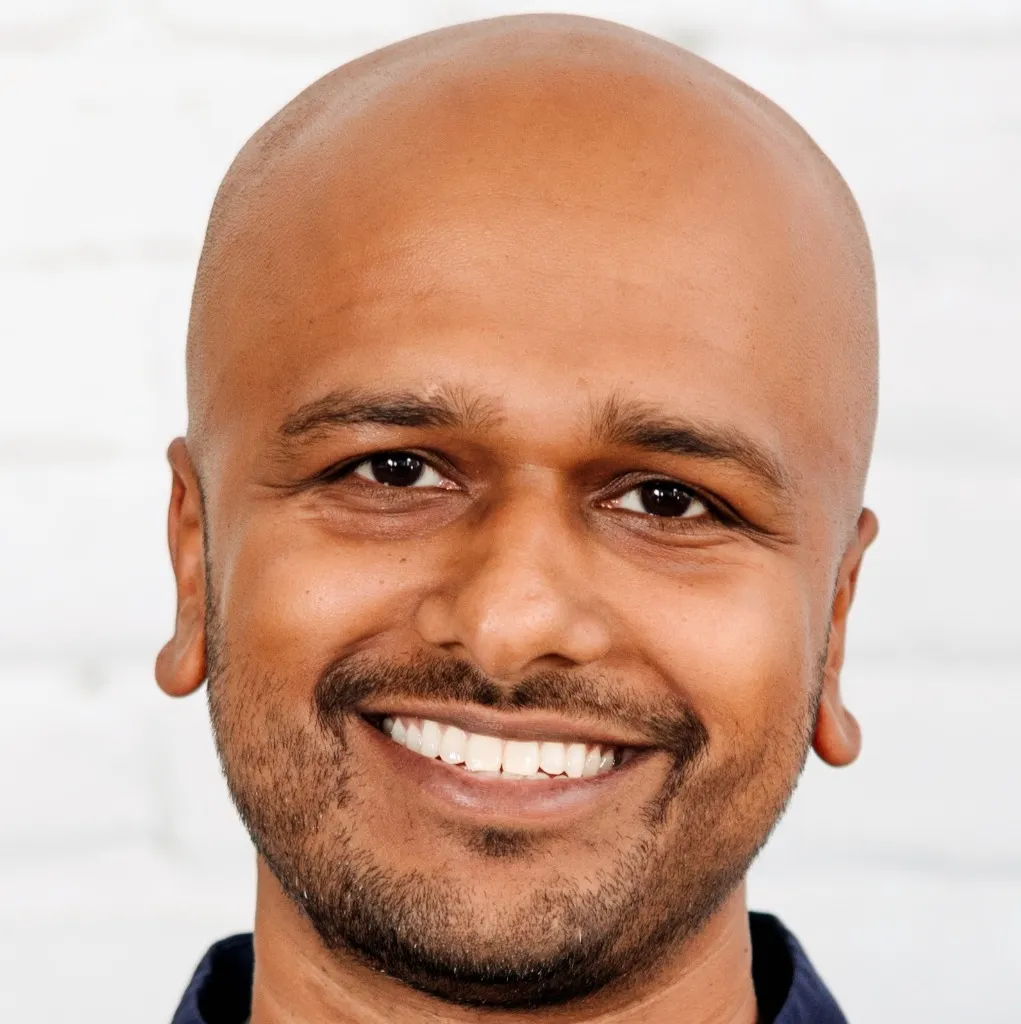
Dr. Ash is a board-certified internal medicine physician specializing in preventive medicine and healthspan optimization at Fishtown Medicine in Philadelphia.

Frequently Asked Questions
Common Questions
Deep-Dive Questions
Ready when you are
The chat is our AI assistant, answering from our published guides. To talk it through with Dr. Ash himself, start with the intake.