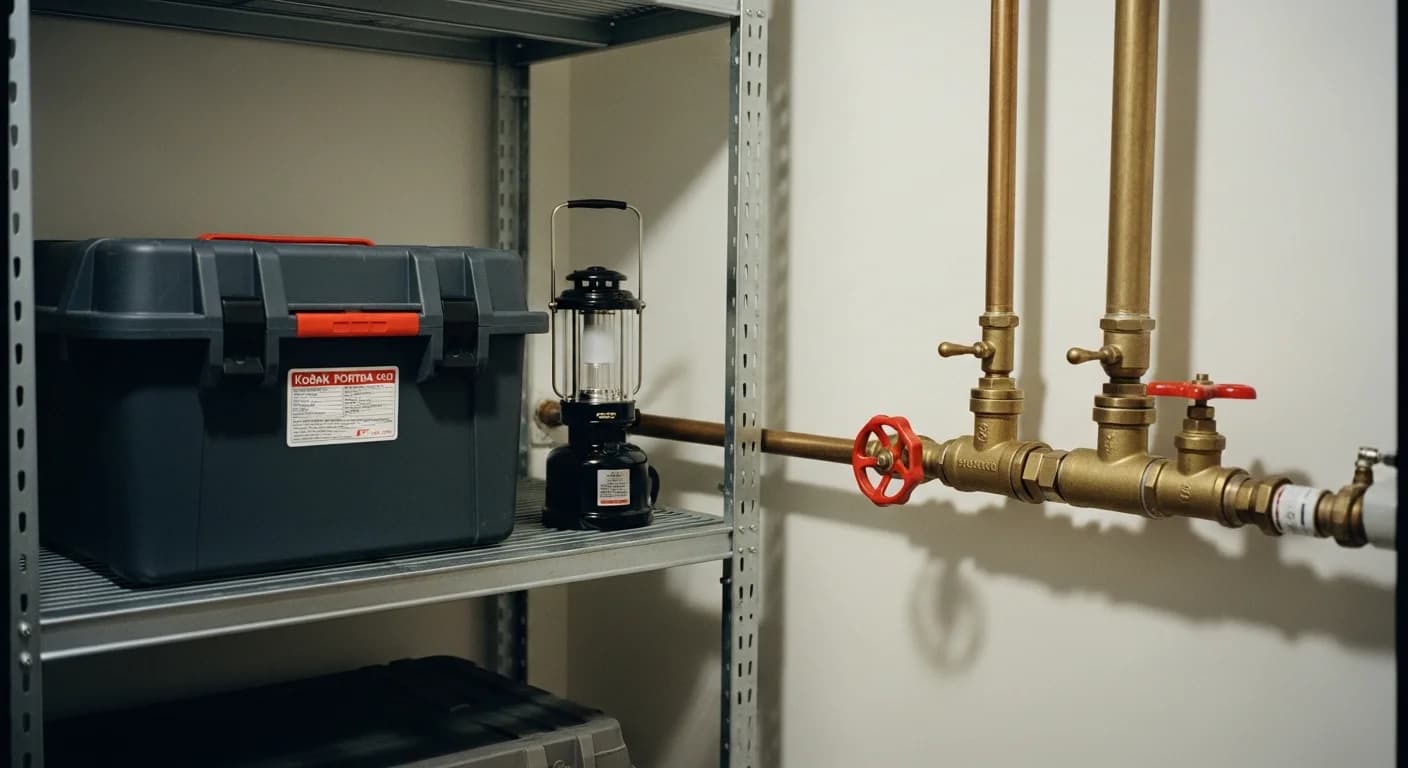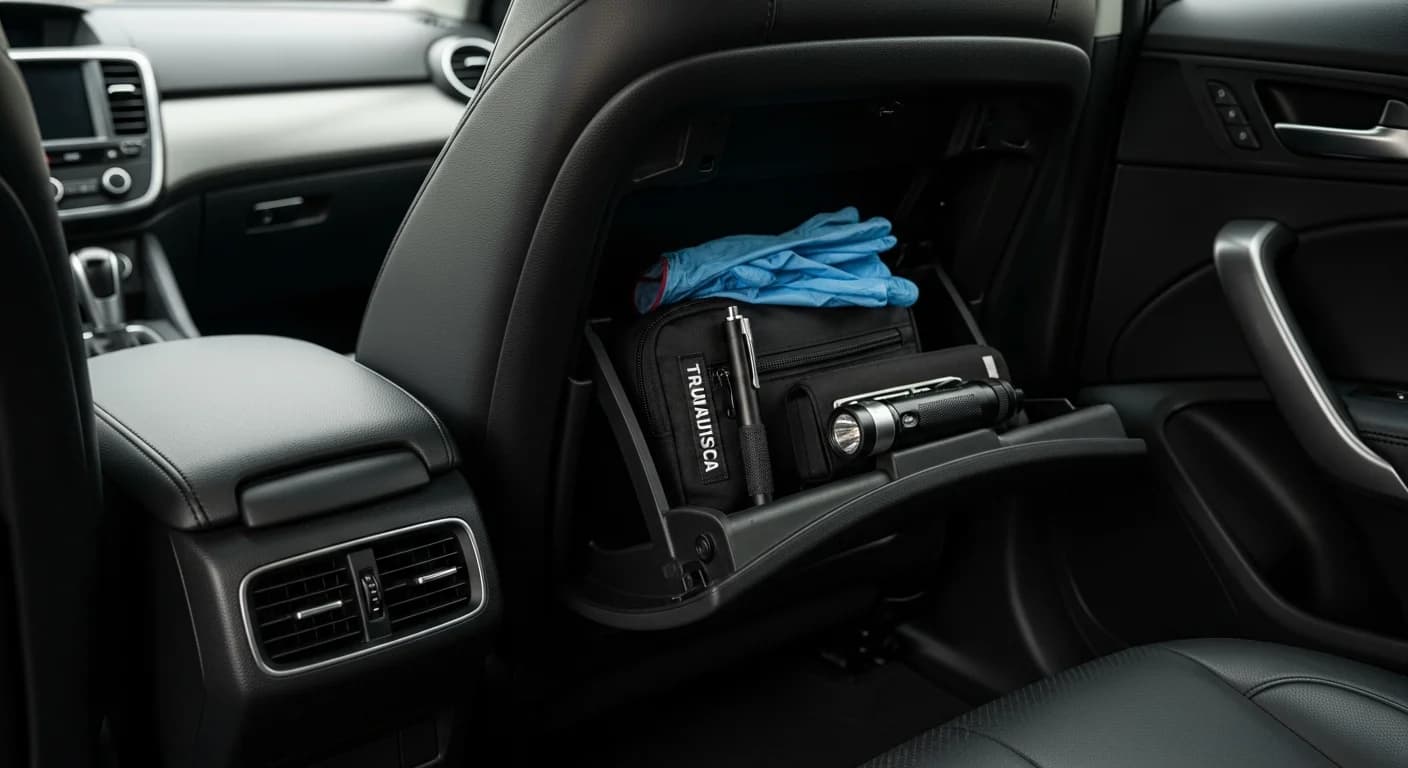

A Philly glovebox kit is a small trauma kit for your car. It should include a CAT tourniquet, an Israeli compression bandage, chewable 325 mg aspirin for chest pain, a glass breaker and seatbelt cutter, a Mylar blanket, water, and a headlamp. The goal is to bridge the time before EMS reaches you on I-76.
The reality of the Schuylkill Expressway
Driving in Philadelphia takes a specific kind of patience. Between the potholes on Columbus Boulevard and the surprise gridlock on I-76, you have to plan for the road you drive.
In Medicine 3.0, we talk a lot about resilience. Most of the time we mean the way your body handles blood sugar or the way your immune system fights off a cold. But resilience also means having the tools to handle a crisis on the side of the road, instead of feeling stuck while you wait for help.
Your glovebox should be more than napkins and old receipts. In a city like ours, it should work as a small mobile medical unit.
The science: the Golden Hour
In emergency medicine, we work inside short physical windows.
In a car crash, the time you have to act is often shorter than the time it takes for an ambulance to reach you, particularly in Philly traffic.
- Bleeding control. A cut to the femoral artery (the big artery in the thigh) can cause life-threatening blood loss in minutes. Even a fast ambulance can get stuck behind a jackknifed truck.
- Body temperature. Shock is a chain reaction in the body that can be as deadly to a trauma patient as the injury itself. Keeping someone warm helps their blood clot, so a blanket is doing clinical work as much as it is adding comfort.
- Heart events. The stress of bad traffic on top of existing risk factors can trigger a heart attack. Knowing what to do in those first minutes can preserve heart muscle.
Crash risk in this city is a design question as much as a driving one, and how jaywalking was invented covers what street layout and speed enforcement do to injury rates here.
The Fishtown plan: a serious trauma kit
Skip the standard pharmacy first aid kit. Those are built for paper cuts at a desk, so they fall short when the road brings a deep wound.
-
Tourniquet (CAT Generation 7):
- Use it for: Heavy bleeding from an arm or leg.
- Why: A CAT tourniquet clamps down hard enough to stop the bleeding, and it holds. A belt almost never works because you cannot tighten it enough by hand. Buy the authentic one.
-
Compression bandage (Israeli bandage):
- Use it for: A deep cut where a tourniquet does not fit, like the shoulder, neck, or torso.
- Why: It applies steady pressure on its own, which frees up your hands to do other things, like calm the patient or call 911.
-
Chewable aspirin, 325 mg:
- Use it for: Sudden chest pain that might be a heart attack.
- Why: Chewing a full-strength aspirin during a heart attack helps stop platelets from clumping. Until EMS arrives, this small step can save heart muscle. Replace the bottle every 6 months because heat in your car breaks aspirin down.
-
Glass breaker and seatbelt cutter:
- Use it for: Getting out of a vehicle after a crash or after a flood traps you inside.
- Where to keep it: In the center console or clipped to the visor. It does no good in the trunk.
The medical toolbox: survival vs. comfort
Fishtown Medicine
A 90-minute conversation with Dr. Ash. A written plan you can follow.
Most road problems have nothing to do with bleeding. They begin as small comfort failures that grow into a medical problem if you are stuck for long enough.
| Item | Purpose | Philly context |
|---|---|---|
| Water (stainless steel bottle) | Hydration. | Dehydration sets in fast on I-76 in July, particularly if your AC fails. |
| Mylar blanket | Heat retention. | Helps prevent hypothermia (dangerously low body temperature) in winter breakdowns. |
| Headlamp | Hands-free light. | Changing a tire on Roosevelt Boulevard at night is much safer with both hands free. |
| Disposable urinal | Basic biology. | When traffic is stopped for hours on the Blue Route, this handles a problem you cannot ignore. |
Guidance from the clinic

I have had patients ask me, "Dr. Ash, isn't carrying a tourniquet a bit much for the daily commute?"
Here is how I think about it. I hope you never have to open this kit.
But in my hospital years, the difference between a tragic story and a survival story often came down to who was nearby and what they had on them. If you are first on the scene of a motorcycle crash on Delaware Avenue, having a tourniquet turns you from a witness into the person who keeps that rider alive.
Medicine 3.0 is about agency. It is about owning your health, your safety, and the safety of the people around you. We prepare out of responsibility rather than fear.
Actionable Steps in Philly
Build your kit, then practice with it.
- Focus on bleeding first. The tourniquet is the highest-value item in the kit. Watch a 5-minute video on how to use one. Put it on your own thigh once so the buckle is familiar when an emergency comes.
- Buy from trusted suppliers. Skip the cheap copies on online marketplaces. For a tourniquet, quality control matters. Buy from North American Rescue or another verified dealer.
- Pair maintenance with oil changes. Every time you get an oil change, do a quick audit of the kit. Swap the water, check the headlamp batteries, and replace any expired aspirin.
Drive prepared.
Book Your Warm Invitation Call Here
Scientific References
- Kotwal RS, Butler FK, Gross KR, et al. "Management of Junctional Hemorrhage in Tactical Combat Casualty Care." Journal of Special Operations Medicine, 2013.
- Bulger EM, Snyder D, Schoelles K, et al. "An Evidence-based Prehospital Guideline for External Hemorrhage Control: American College of Surgeons Committee on Trauma." Prehospital Emergency Care, 2014;18(2):163-173.
- American Heart Association. "Aspirin and Heart Disease." https://www.heart.org/
- National Highway Traffic Safety Administration. Hot Car Safety. https://www.nhtsa.gov/

Fishtown Medicine | Articles
Frequently Asked Questions
Common Questions
Deep-Dive Questions
Ready when you are
The chat is our AI assistant, answering from our published guides. To talk it through with Dr. Ash himself, start with the intake.