
FishtownFish wrapped around the rod of AsclepiusMedicine
Philadelphia Primary Care
How It Works
What People Say
Patient reviews across 6 platforms
Pricing & Membership
Transparent membership pricing
Articles
Symptoms
What your body is telling you
Treatments
Protocols, prescriptions, therapies
Longevity
Medicine 3.0 strategies
Heart Health & Risk
Protect your heart & vessels
Metabolism
Insulin, blood sugar, weight
Hormones
TRT, thyroid, menopause, andropause
Performance
VO2 max, muscle, sleep, gut
Playbooks
Step-by-step frameworks
Dispensary
Dr. Ash's professional-grade supplement picks
About
Meet Dr. Ash
Your Physician
GER·O·SPAN
Our Clinical Framework
FAQ
Common Questions
Book a Free Call
Philly Flood Survival Kit
Fishtown Medicine•6 min read
4.96 (124)

Philly Flood Survival Kit

Ashvin Vijayakumar MD

Medically Reviewed

Ashvin Vijayakumar MD•Updated June 1, 2026
On This Page
  • When the River Rises
  • What is actually in floodwater?
  • The Fishtown plan: treat your basement like a hazmat zone
  • The medical toolbox: tetanus, wounds, and mold
  • Guidance from the clinic
  • Actionable Steps in Philly
  • Common Questions
  • Can I drink Philadelphia tap water after a flood?
  • How do I get rid of mold after a basement flood?
  • What is the Basement Backup Protection Program?
  • How long do I have before mold starts after a flood?
  • Do I need a tetanus shot after a flood?
  • Is it safe to walk through floodwater in Philly?
  • Will my homeowner's insurance cover a basement flood?
  • Can mold in my basement actually make me sick?
  • Deep Questions
  • What is Chronic Inflammatory Response Syndrome (CIRS) from water-damaged buildings?
  • Should I get tested for mold exposure after a Philadelphia flood?
  • Is my SEPTA commute affected by Schuylkill flooding?
  • What should I do if my insulin or other medications get wet?
  • How do I compare a backwater valve to a sump pump?
  • Is bleach or vinegar better for flood cleanup?
  • What if I have asthma or COPD and my home flooded?
  • How does Philadelphia weather make basement floods worse?
  • What does a flood cleanup actually cost in Philly?
  • When should I call a doctor after flood cleanup?
  • Scientific References

Get a preventive doctor that knows you.

Consult Dr. Ash
TL;DR · 30-second take

A Philadelphia flood kit protects you from what comes after the water. You need an N95 mask, rubber gloves and boots, goggles, a current Tdap (tetanus) shot, and a dehumidifier. Mold can start growing inside 24 to 48 hours, so your speed matters more than any single product.

The Philadelphia Flood Kit: Schuylkill Surprises and Sewage Backups

When the River Rises

If you live in Manayunk, East Falls, or even a basement in Fishtown, water is the enemy. The Schuylkill River makes the headlines, but the sewage that backs up through your floor drain is what actually makes people sick. In Medicine 3.0, our goal is to think one step ahead of the obvious problem. Floodwater is not just water. It is a soup of germs, fuel and chemical runoff from streets, and mold spores that grow in soaked drywall. A real flood kit is not about a boat. It is about your biology. We want to protect your gut, your lungs, and your skin from what shows up after the water finally goes away.

What is actually in floodwater?

Floodwater carries Vibrio (a saltwater germ), E. coli, tetanus, and Leptospira (a germ from rat urine). Here is why a basement flood is more than a cleanup project.
  • Germ load. Philly's sewer system mixes storm water and sewer water. When it overflows, what ends up in your basement is partly raw sewage.
  • Mold and mycotoxins. Mold (a fungus) starts growing on wet surfaces inside 24 to 48 hours. Long-term exposure can lead to Chronic Inflammatory Response Syndrome, or CIRS, a whole-body inflammation pattern triggered by mold toxins.
  • Electrical risk. Dirty water carries minerals and metals, which makes it conduct electricity better than clean tap water. A live outlet under floodwater can shock you from across the room.

The Fishtown plan: treat your basement like a hazmat zone

Standard rubber boots and a contractor bag are not enough. You need real protection.
  1. Personal protective equipment (PPE):
    • N95 mask. Filters mold spores while you clean.
    • Rubber gloves and boots. Never let bare skin touch flood water. Even a small cut can get infected fast.
    • Goggles. Splashes carry germs and chemicals.
  2. Cleanup chemistry:
    • Bleach is rarely the answer on porous surfaces like wood or drywall. It only treats the surface.
    • Concrobium is a salt-based product that breaks mold spores apart physically. It works better on home materials.
    • Dehumidifiers and industrial fans. You have to pull the moisture out of the air and the studs as fast as possible.
  3. The document bag:
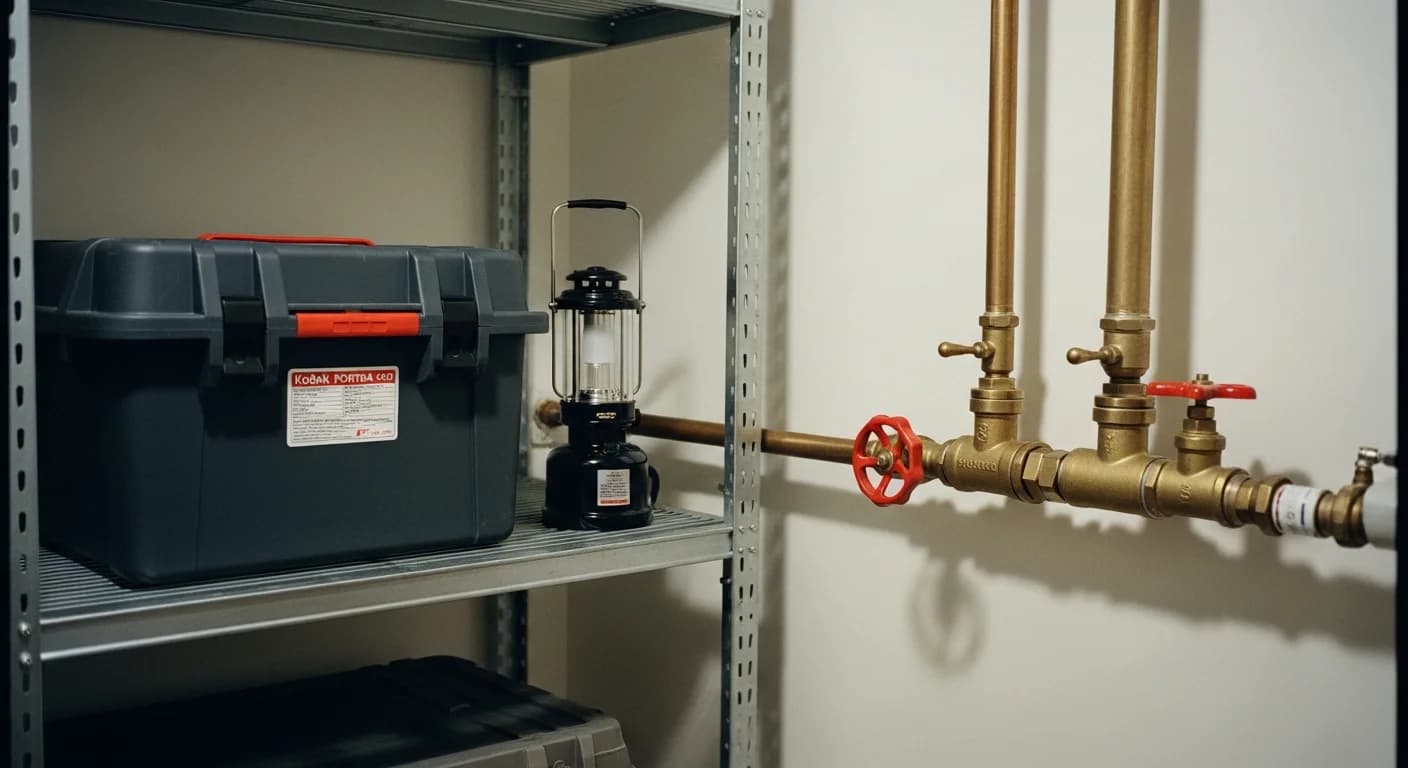
    • Waterproof zip bags for insurance papers, your home deed, passports, and a list of medications. Keep them on a high shelf, not in a bottom drawer near the floor.

The medical toolbox: tetanus, wounds, and mold

Is your Tdap up to date? Tdap is the shot that protects against tetanus, diphtheria, and pertussis (whooping cough).

Fishtown Medicine

A 90-minute conversation with Dr. Ash. A written plan you can actually follow.

Book a Free 20-Min Call
RiskWhat helpsNote
TetanusTdap booster.If you cut yourself on debris in dirty water and it has been more than 5 years since your last Tdap, get a booster within 48 hours.
Wound infectionChlorhexidine or povidone-iodine (Betadine) scrub.Wash any scratch right away with a real surgical scrub, not just soap.
Mold exposureBinders such as activated charcoal or bentonite clay.In some cases, I use binders to help pull mold toxins out through the gut. This needs a clinician's input first.

Guidance from the clinic

Dr. Ash
"It's just stuff."
I have your back. At Fishtown Medicine, my job is not just to order tests and hand you a result. I interpret, I explain, and I push for the answer you actually need. You should feel like you have a Chief Medical Officer in your corner who fights for clarity and access, not just checkboxes.
"I'm trying to save my photo albums in the basement." My answer is direct: "Your job right now is to leave." If the water is rising, do not go down there. Water pressure can pin a door shut. Live electricity can arc through standing water. Your health is irreplaceable. The photos are painful to lose, and that is real grief, but a Leptospira infection or a drowning is so much worse.

Actionable Steps in Philly

Manage the Manayunk risk.
  1. Install a backwater valve. If you have a basement toilet or a floor drain, this one-way valve keeps the city sewer from reversing into your home. The Philadelphia Water Department offers help here. Just install one.
  2. Lift your utilities. If your block sits in a flood zone, raise your HVAC unit and water heater up onto cinder blocks or a platform.
  3. Sign up for ReadyPhiladelphia. Real-time text alerts give you a head start before water reaches your block.
Stay dry. Stay clean. Book Your Warm Invitation Call Here

Scientific References

  1. Centers for Disease Control and Prevention (CDC). Flood Safety and Hygiene. https://www.cdc.gov/disasters/floods/
  2. Shoemaker RC, House DE. "Sick building syndrome (SBS) and exposure to water-damaged buildings: time series study, clinical trial and mechanisms." Neurotoxicology and Teratology, 2006;28(5):573-588.
  3. Philadelphia Water Department. Basement Backup Protection Program. https://water.phila.gov/
  4. World Health Organization (WHO). WHO Guidelines for Indoor Air Quality: Dampness and Mould. 2009.

Medical Disclaimer: This resource provides clinical context for educational purposes. In the world of Precision Medicine, there is no "one size fits all" approach. The right supplement protocol or intervention must be matched to your unique lab work, physiology, and goals. Consult Dr. Ash to determine if this approach is right for you, especially if you have chronic health conditions or are taking prescription medications.
Ashvin Vijayakumar MD (Dr. Ash)

Fishtown Medicine | Articles

2418 E York St, Philadelphia, PA 19125·(267) 360-7927·hello@fishtownmedicine.com·HSA/FSA Eligible

Frequently Asked Questions

Common Questions

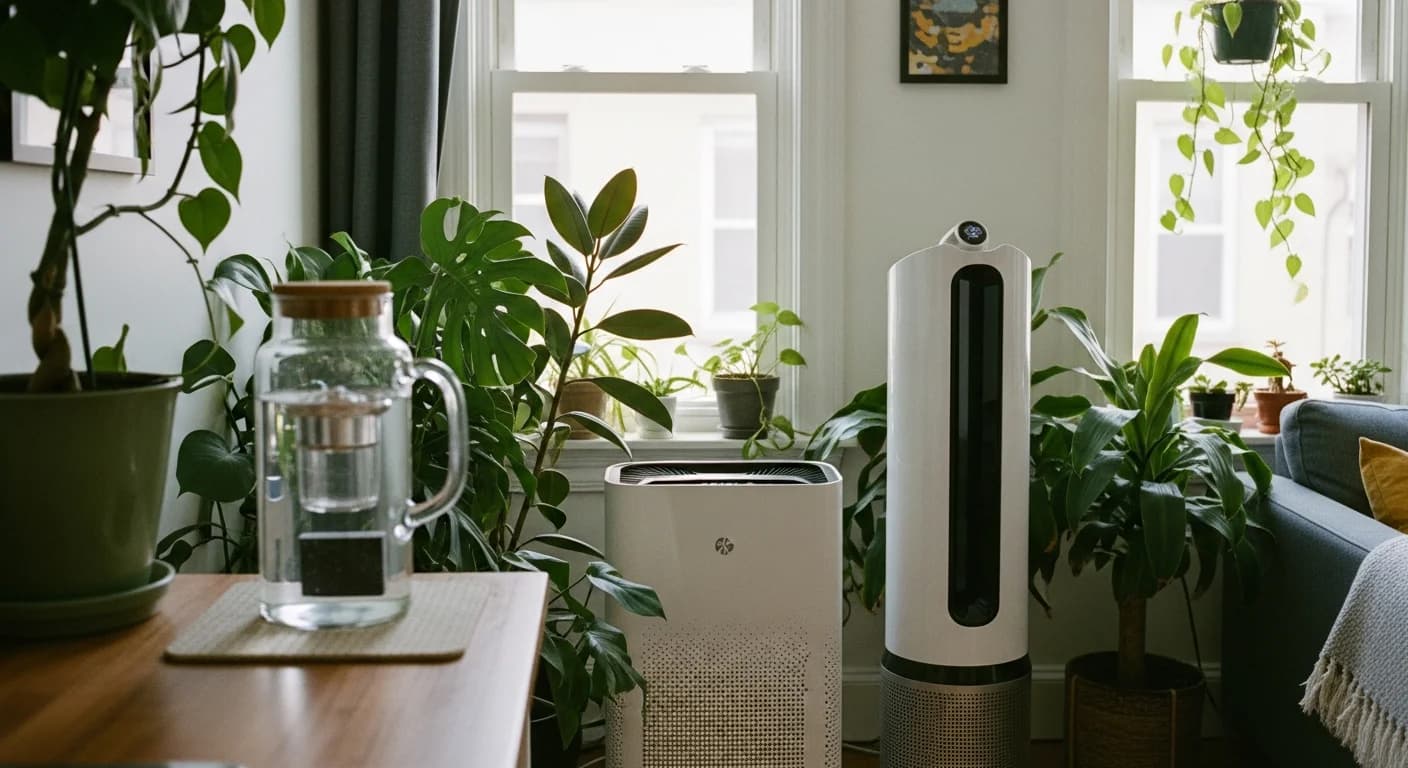
After a flood, do not assume Philadelphia tap water is safe. The city does treat for bacteria, but flooding can push heavy metals and industrial runoff into the lines, and boiling water does not remove those. Drink bottled water or use a certified filter until the city issues an all-clear. For longer-term filtering options, see my Philadelphia Environmental Health Guide.
To get rid of mold after a basement flood, you usually have to remove the wet drywall, not just clean it. You cannot truly clean drywall once it has been soaked. Cut it out at least 2 feet above the high water line, then dry the studs with fans and a dehumidifier before you replace anything.
The Basement Backup Protection Program is a free Philadelphia Water Department program that helps eligible homeowners install backwater valves if their address has a history of sewer backups. Search "PWD Basement Backup Protection Program" to apply.
Mold can start growing on wet surfaces inside 24 to 48 hours. That is why drying time matters more than any single cleaning product. The faster you can get fans and a dehumidifier running, the less mold you have to deal with later.
You may need a tetanus shot after a flood if you cut or scrape yourself on debris in dirty water. The general rule is a Tdap booster within 48 hours if it has been more than 5 years since your last one. Call your primary care office or an urgent care to confirm.
It is not safe to walk through floodwater in Philly if you can avoid it. Even shallow water can hide downed power lines, sharp debris, open manholes, and sewage. If you must walk through, wear rubber boots, watch your footing, and wash exposed skin with soap and clean water as soon as you get out.
Standard homeowner's insurance often does not cover flood damage from rising water. You usually need a separate flood policy through the National Flood Insurance Program (NFIP) or a private insurer. Sewer backup is sometimes a separate add-on. Check your policy before storm season.
Yes, mold in your basement can make you sick. Some people only get a stuffy nose, cough, or itchy eyes. A smaller group develops a bigger inflammatory reaction known as Chronic Inflammatory Response Syndrome (CIRS), which can include fatigue, brain fog, and joint pain. If symptoms started after a flood, mention the flood to your doctor.

Deep-Dive Questions

Chronic Inflammatory Response Syndrome (CIRS) is a whole-body inflammation pattern that some people develop after living or working in a water-damaged building. The mold toxins, called mycotoxins, can keep the immune system on high alert. Symptoms often include fatigue, brain fog, headaches, joint pain, and odd sensitivities to smells. Diagnosis involves specific lab markers, and treatment focuses on getting out of the moldy environment first.
Most people do not need formal mold exposure testing after a Philadelphia flood. If you cleaned up quickly, dried the space within 48 hours, and feel fine, the kit and basic precautions are enough. If you developed new fatigue, brain fog, or breathing problems after the flood, that is when targeted testing of urine mycotoxins or specific inflammatory markers becomes useful.
Yes, your SEPTA commute can absolutely be affected by Schuylkill flooding. Manayunk and Norristown Regional Rail lines run alongside the river and are the first to suspend service when the river crests. Bus detours follow soon after on Kelly Drive and Martin Luther King Drive. Check the SEPTA system status app the night before a major rain event.
If your insulin or other medications get wet, do not use them. Insulin in particular is sensitive to heat and contamination, and a soaked vial is no longer sterile. Call your pharmacy and your prescriber as soon as you can. Many insurance plans have an emergency override for medications lost in a declared disaster.
A backwater valve and a sump pump solve different problems. A backwater valve is a one-way flap that stops sewage from coming up through your floor drains and basement toilet during a city sewer surge. A sump pump pushes ground water out of a pit under your basement floor before it can flood the room. Many older Philly row homes benefit from both.
Neither bleach nor vinegar is great for flood cleanup on porous materials like drywall and wood. Bleach can disinfect a smooth surface but does not soak into studs to kill mold roots. Vinegar is mild and inconsistent. For a real flood, a product like Concrobium plus mechanical drying gives you better results, and the worst materials still need to be cut out and replaced.
If you have asthma or chronic obstructive pulmonary disease (COPD) and your home flooded, do not be the one running the cleanup. Mold spores and bleach fumes can both trigger an attack. Stay with a friend or family member while professionals dry the space, and have your rescue inhaler with you. Call your doctor if you notice more wheezing, more cough, or any chest tightness in the days after.
Philadelphia's weather makes basement floods worse in two ways. First, summer thunderstorms and tropical remnants can dump 3 to 5 inches of rain in a few hours, which the combined sewer system cannot handle, so it overflows. Second, freeze-thaw cycles in the winter crack old terra cotta pipes, so even a routine spring rain can show up in your basement.
A flood cleanup in Philly can cost anywhere from $500 for a quick wet-vac and fan rental to $20,000 or more for a full basement gut, mold remediation, and rebuild. Backwater valve installation usually runs $500 to $3,000. Industrial dehumidifier rental runs about $50 to $100 per day. Insurance and the PWD's protection program can offset some of these costs.
You should call a doctor after flood cleanup if you notice a new cut that looks red, hot, or swollen, a fever, new diarrhea, a cough that will not quit, or new fatigue and brain fog that lasts more than a week. Bring up the flood at the visit so the clinician knows to look for tetanus risk, leptospirosis, and mold-related inflammation. Members of Fishtown Medicine can text me directly with photos.

Still have a question?

He answers personally. Usually within a few hours.

Related Intelligence

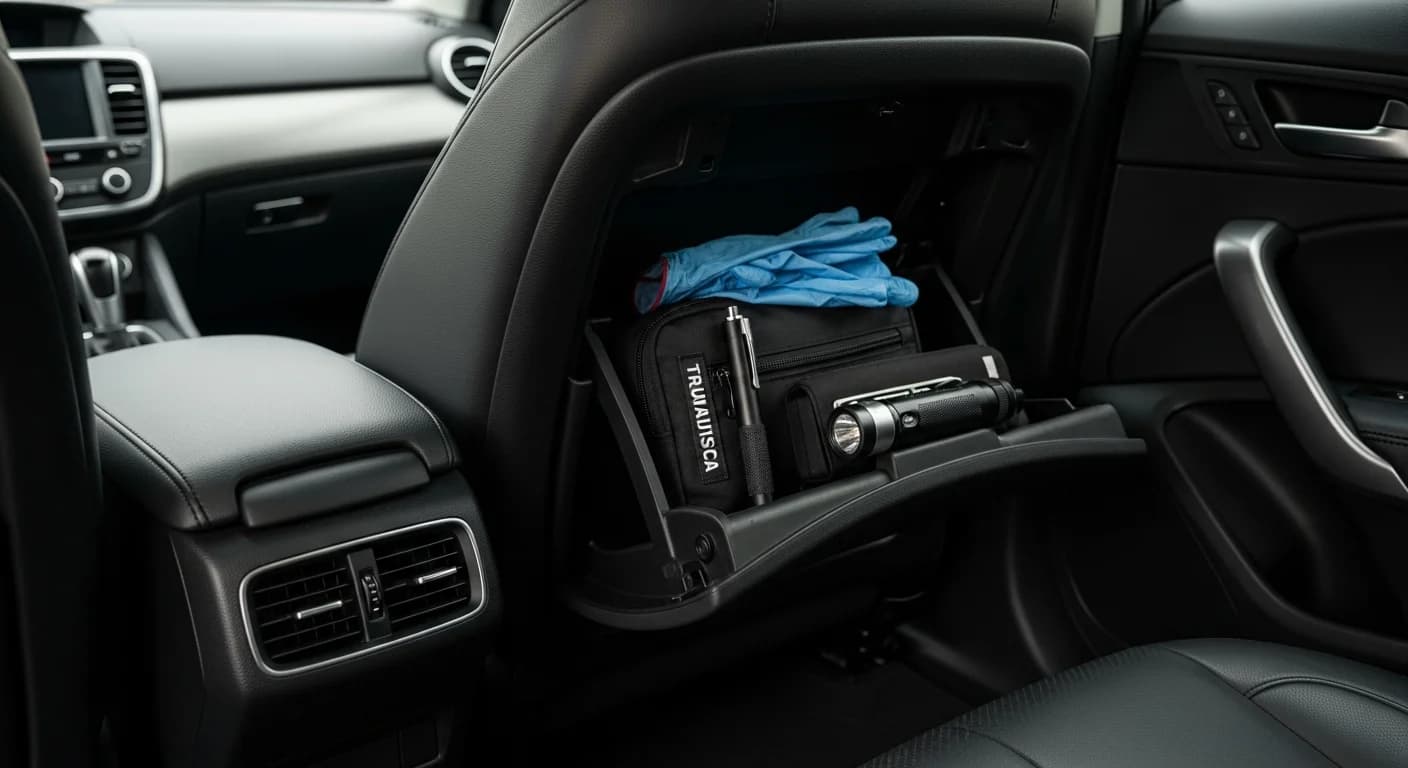
The Philly Glovebox Kit: Potholes, I-76, and Trauma Care

The Philly Glovebox Kit: Potholes, I-76, and Trauma Care

Driving in Philadelphia is a contact sport. A plain-English Medicine 3.0 guide to the mobile medical unit in your car, from tourniquets and aspirin to glass breakers for I-76 gridlock.

Read Deep Dive
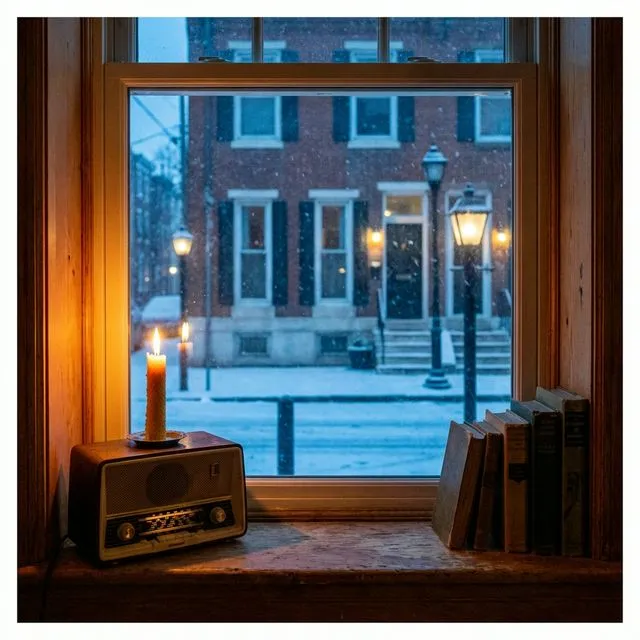
The Philadelphia Winter Storm Kit: Surviving the Freeze (Medicine 3.0 Style)

The Philadelphia Winter Storm Kit: Surviving the Freeze (Medicine 3.0 Style)

Is your row home ready for a power outage? A plain-English Medicine 3.0 guide to surviving a Philadelphia freeze with steady blood sugar, safe heat, and a watch on your neighbors.

Read Deep Dive
Executive Physicals in Philadelphia: Strategy vs. Checkboxes

Executive Physicals in Philadelphia: Strategy vs. Checkboxes

Why a 'one-day physical' is often a poor use of $3,000, and how a relationship-based model gives executives better long-term value.

Read Deep Dive

Talk it through with Dr. Ash.

If anything you read here raised a question, this is a free 20-minute Warm Invitation Call. Pick a time and we’ll work through it together.

HSA/FSA eligible
No initiation or cancellation fees
No copays

Loading scheduler...

Having trouble with the scheduler? Book directly on Dr. Ash’s calendar

FishtownFish wrapped around the rod of AsclepiusMedicine
Philadelphia Primary Care
2418 E York St, Philadelphia, PA 19125Home visits in Greater PhiladelphiaPricing & membership

Serving Fishtown · Art Museum · Bella Vista · Callowhill · Center City · Center City West · Chestnut Hill · East Kensington · Fairmount · Fitler Square · Graduate Hospital · Logan Square · Manayunk · Northern Liberties · Old City · Olde Richmond · Poplar · Port Richmond · Queen Village · Rittenhouse · Roxborough · Society Hill · Southwark

Explore by topic

Women’s Health
  • Perimenopause
  • Menopause 3.0
  • PCOS
  • Fertility
Men’s Health
  • TRT Therapy
  • TRT Safety
  • TRT vs Enclomiphene
  • Low Libido
Metabolic
  • Medical Weight Loss
  • Ozempic vs Metformin
  • Fasting Protocols
  • Visceral Fat
Cardiovascular
  • apoB & Heart Health
  • apoB vs LDL
  • Lp(a) Cholesterol
  • ED & Heart Risk
Longevity + Performance
  • Healthspan vs Lifespan
  • Biological Age
  • VO2 Max
  • Zone 2 Training
Supplements
  • Magnesium
  • Creatine
  • Omega-3
  • Foundational Stack
  • Shop the Dispensary
Care in Philadelphia +
Direct Primary Care in Philadelphia, PAConcierge Medicine in Philadelphia, PAConcierge vs DPC in Philadelphia, PALongevity Medicine in Philadelphia, PAPreventive Care in Philadelphia, PAExecutive Physical in Philadelphia, PAAnnual Physical in Philadelphia, PAHealthspan Optimization in Philadelphia, PAFunctional Medicine in Philadelphia, PASame-Day Sick Visits in Philadelphia, PATestosterone Replacement Therapy in Philadelphia, PAPerimenopause Care in Philadelphia, PAMenopause Care in Philadelphia, PAThyroid Treatment in Philadelphia, PAPCOS Care in Philadelphia, PAGLP-1 Weight Loss in Philadelphia, PAMetabolic Health in Philadelphia, PAHormone Optimization in Philadelphia, PAAdvanced Lipid Testing in Philadelphia, PAVO2 Max Testing in Philadelphia, PADEXA Scan in Philadelphia, PACGM in Philadelphia, PALong COVID Care in Philadelphia, PAChronic Fatigue Treatment in Philadelphia, PAPOTS Treatment in Philadelphia, PAMCAS Treatment in Philadelphia, PALyme Disease Care in Philadelphia, PABrain Fog Treatment in Philadelphia, PASleep Disorders Treatment in Philadelphia, PAStrep Throat Treatment in Philadelphia, PAUTI Treatment in Philadelphia, PASinus Infection Treatment in Philadelphia, PASTI Testing in Philadelphia, PATravel Medicine in Philadelphia, PAPre-Op Clearance in Philadelphia, PASports Club Medicine in Philadelphia, PA

Content is for educational purposes only and does not constitute medical advice.

TermsPrivacyScope of PracticeClinical Independence