
FishtownFish wrapped around the rod of AsclepiusMedicine
Philadelphia Primary Care
How It Works
What People Say
Patient reviews across 6 platforms
Pricing & Membership
Transparent membership pricing
Articles
Symptoms
What your body is telling you
Treatments
Protocols, prescriptions, therapies
Longevity
Medicine 3.0 strategies
Heart Health & Risk
Protect your heart & vessels
Metabolism
Insulin, blood sugar, weight
Hormones
TRT, thyroid, menopause, andropause
Performance
VO2 max, muscle, sleep, gut
Playbooks
Step-by-step frameworks
Dispensary
Dr. Ash's professional-grade supplement picks
About
Meet Dr. Ash
Your Physician
GER·O·SPAN
Our Clinical Framework
FAQ
Common Questions
Book a Free Call
Philly Winter Survival Kit
Fishtown Medicine•6 min read
4.96 (124)

Philly Winter Survival Kit

Ashvin Vijayakumar MD

Medically Reviewed

Ashvin Vijayakumar MD•Updated June 1, 2026
On This Page
  • When the radiant heat dies
  • The science: how the body handles cold
  • The Fishtown plan: shelter in place, the smart way
  • The medical toolbox: medications and generators
  • Guidance from the clinic
  • Actionable Steps in Philly
  • Common Questions
  • Can I use my gas stove for heat during a Philly power outage?
  • What should I do if my pipes freeze?
  • How do I stay warm without power?
  • How long can insulin sit out during a Philly power outage?
  • Is it safe to run a generator inside my garage if the door is open?
  • How do I check on an older neighbor without overstepping?
  • What temperature is too cold for a home indoors?
  • Should I shovel snow if I have heart disease?
  • Deep Questions
  • How does a propane Mr. Heater Buddy compare to a kerosene heater?
  • How long can my home pipes survive a deep freeze?
  • What do I do if my SEPTA route is suspended in a snowstorm?
  • How does cold weather affect blood pressure and heart attack risk?
  • Is the Philly Boiler Maker program worth applying for?
  • What if my elderly parent in Mayfair refuses to leave during a freeze?
  • How do I prepare an elderly relative with dementia for a winter storm?
  • Are battery-powered heated blankets safe for an overnight outage?
  • How does Philly's row home design make heating harder?
  • When should I call a doctor after cold exposure?
  • Scientific References

Get a preventive doctor that knows you.

Consult Dr. Ash
TL;DR · 30-second take

A Philadelphia winter storm kit covers heat, calories, water, and people. You need a Mr. Heater Buddy with a carbon monoxide detector, wool blankets, high-fat food, electrolytes, 5 gallons of drinking water per person, and a plan to check on older neighbors. Never run a generator or gas stove indoors.

The Philadelphia Winter Storm Kit: Surviving the Freeze (Medicine 3.0 Style)

When the radiant heat dies

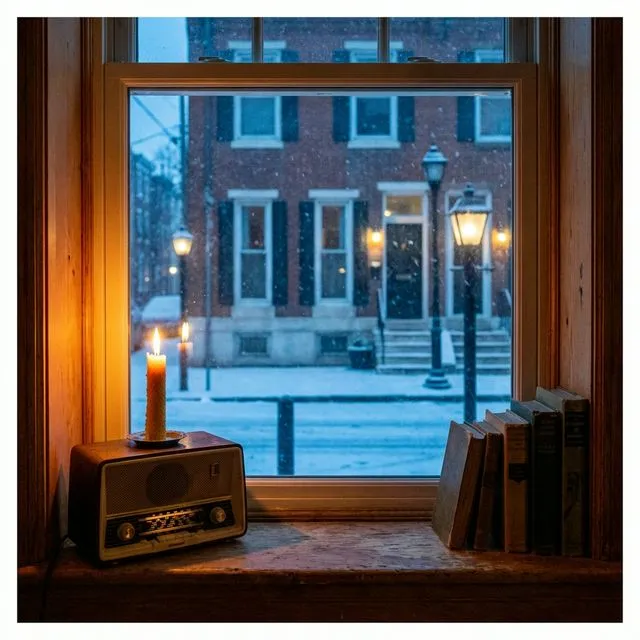
In Philadelphia, winter is more than snow. It is infrastructure under stress. Old row homes lose heat fast. Pipes freeze inside outside walls. The grid in Fishtown and Kensington is famous for icing up during ice storms. In Medicine 3.0, we plan for unlikely but high-impact events. A 3-day power outage in February is more than uncomfortable. For someone with diabetes, heart disease, or an older neighbor on the same block, it can be life-threatening. The goal is not just to survive. It is to keep your body in balance, what doctors call homeostasis.

The science: how the body handles cold

Your body burns more calories trying to stay warm than you might expect. A few things happen at once when you get cold for a long time.
  • Brown fat thermogenesis. Brown adipose tissue (BAT) is a special kind of fat that burns sugar to make heat. When this kicks in, your blood sugar can drop quickly, especially if you have not eaten.
  • Vasoconstriction. Cold air makes your blood vessels narrow to keep heat in your core. That raises your blood pressure, which is hard on your heart.
  • The hidden danger. In a 40°F house, an older adult can slip into hypothermia (a dangerously low body temperature) while sleeping under a thin blanket.

The Fishtown plan: shelter in place, the smart way

This is not a bunker. It is a practical city kit.
  1. Safe heat:
    • Mr. Heater Buddy (propane). Indoor-safe propane heater. The key word is with a carbon monoxide (CO) detector right next to it. CO is an odorless gas that can kill you in your sleep.
    • Wool blankets. Cotton holds moisture and stops insulating once it is damp. Wool keeps you warm even when wet.
  2. Steady calories:
    • Nut butter packets. High fat means slow, steady fuel and more body heat.
    • Canned sardines or tuna. Protein with no cooking required.
    • Electrolytes (LMNT or similar). You actually dehydrate faster in cold dry air, even when you do not feel thirsty.
  3. Water reserve:
    • The bathtub trick. Before a storm, fill the bathtub. That is your toilet-flushing water if pipes freeze.
    • Drinking water. Plan for 5 gallons per person.

The medical toolbox: medications and generators

Carbon monoxide is the silent killer of Philly winters.

Fishtown Medicine

A 90-minute conversation with Dr. Ash. A written plan you can actually follow.

Book a Free 20-Min Call
ItemPurposeNote
Mylar thermal blanketReflects up to 90% of body heat back at you.Keep one in the car and one in the house.
GeneratorBackup power.Never run a generator inside a home, garage, or basement. The exhaust contains carbon monoxide. Keep it at least 20 feet from any door or window.
Insulin cooler (Frio)Medical necessity.If your fridge loses power, insulin can spoil. A Frio cooling wallet uses evaporation to keep insulin in range without electricity.
Hand warmers (HotHands)Targeted heat.Place at the femoral arteries (groin) or under the armpits. Warming the blood that flows through these areas helps warm the whole body.

Guidance from the clinic

Dr. Ash
"Check on Mrs. Graziano."
I have your back. At Fishtown Medicine, my job is not just to order tests and hand you a result. I interpret, I explain, and I push for the answer you actually need. You should feel like you have a Chief Medical Officer in your corner who fights for clarity and access, not just checkboxes.
"Dr. Ash, I'm fine. I have a North Face jacket." My response is simple: "You are fine. Your 80-year-old neighbor is not." In Philadelphia, community is our first survival tool. When the power goes out, older adults lose body heat faster, and many of them will not call for help. Knock on doors. Share your space heater. That is the Fishtown way.

Actionable Steps in Philly

Winterize the row home.
  1. Drip the faucets. When the temperature drops below 20°F, leave a faucet running at a slow drip on the wall furthest from your boiler. A burst pipe causes more damage than the water bill ever could.
  2. Seal the mail slot. The mail slot in an old row home door is a wind tunnel. Tape it shut from inside during a blizzard.
  3. Sign up for ReadyPhiladelphia. Real-time city alerts give you a head start before the grid goes down.
Stay warm. Stay safe. Book Your Warm Invitation Call Here

Scientific References

  1. Castellani JW, Young AJ, Ducharme MB, et al. "American College of Sports Medicine position stand: prevention of cold injuries during exercise." Medicine and Science in Sports and Exercise, 2006;38(11):2012-2029.
  2. Centers for Disease Control and Prevention (CDC). Carbon Monoxide Poisoning Prevention. https://www.cdc.gov/co/
  3. Ready.gov. Winter Weather Safety. https://www.ready.gov/winter-weather
  4. Barnett AG, et al. "Cold and heat waves in the United States." Environmental Research, 2012;112:218-224.

Medical Disclaimer: This resource provides clinical context for educational purposes. In the world of Precision Medicine, there is no "one size fits all" approach. The right supplement protocol or intervention must be matched to your unique lab work, physiology, and goals. Consult Dr. Ash to determine if this approach is right for you, especially if you have chronic health conditions or are taking prescription medications.
Ashvin Vijayakumar MD (Dr. Ash)

Fishtown Medicine | Articles

2418 E York St, Philadelphia, PA 19125·(267) 360-7927·hello@fishtownmedicine.com·HSA/FSA Eligible

Frequently Asked Questions

Common Questions

No, do not use your gas stove for heat during a Philly power outage. A gas stove was not designed to run for hours in a closed kitchen, and it produces carbon monoxide, an odorless gas that can kill you. Use a propane heater rated for indoor use, with a carbon monoxide detector nearby.
If your pipes freeze, do not use a blowtorch or open flame. Open the cabinet doors under the sink so warm room air can reach the pipes, and use a hair dryer or heat tape on the frozen section. If a pipe has already burst, shut off your home's main water valve before the thaw.
To stay warm without power, shrink the space you are trying to heat. Drape heavy blankets over a dining table to make a small fort, and gather everyone in there with extra layers. Body heat warms a small volume quickly. Sleep in the same room and consider sharing beds with family members or pets.
Insulin can sit at room temperature, between 59°F and 86°F, for up to 28 days. In a winter power outage, your home will likely stay in that range for a while, but a Frio cooling wallet adds a safety margin. If insulin has been frozen or has gotten very warm, call your pharmacy before using it.
No, it is not safe to run a generator inside a garage even with the door open. Carbon monoxide builds up faster than the open door can vent it, and people have died this way. Place the generator at least 20 feet from any door, window, or vent, and point the exhaust away from the house.
A simple knock and a "Hey, how are you holding up?" is usually enough. Offer to drop off a thermos of hot soup or to move them somewhere warmer if their heat is out. Most older adults appreciate the check-in once they know you are not selling anything.
A home indoor temperature below 60°F can be dangerous, especially for older adults, infants, and people with heart disease. The CDC recommends keeping indoor temperatures at 68°F or above when you can. If the heat is out, plan to move somewhere warmer if the indoor temperature stays under 55°F for more than a few hours.
You should not shovel snow if you have known heart disease, high blood pressure that is not under control, or a strong family history of early heart attacks. Shoveling combines cold air, breath-holding strain, and heavy lifting, which is hard on the heart. See Snow Shoveling and Heart Risks for the full story.

Deep-Dive Questions

A propane Mr. Heater Buddy compares well to a kerosene heater for indoor row home use. Propane burns cleaner and produces less carbon monoxide for the same heat output, and the Buddy has an automatic shut-off if the oxygen level drops or the unit tips over. Kerosene puts out more heat per dollar but adds smell, soot, and a higher CO risk. For a small Philly row home, propane is usually the better pick.
Home pipes in Philadelphia can usually survive a few hours below 20°F before they start to freeze, especially in older row homes with pipes inside outside walls. Insulating exposed pipes with foam sleeves, dripping faucets at night, and keeping the home above 55°F all extend that window. After 24 hours of single-digit weather, the risk goes up sharply.
If your SEPTA route is suspended, work from home if you can. SEPTA usually announces service holds the night before a major storm. If you have to travel, switch to a Regional Rail line, which often runs longer than buses and the trolleys. Check the SEPTA app for real-time updates, and dress for a cold wait.
Cold weather raises blood pressure by causing blood vessels to narrow, which is the body's way of conserving heat. For someone with high blood pressure or heart disease, that extra workload on the heart raises the risk of a heart attack, especially with sudden exertion like shoveling. Hospital admissions for heart attacks rise predictably during cold snaps.
The Philadelphia Heater Hotline and weatherization programs are worth applying for if you qualify. They can repair or replace a broken heating system at low or no cost for income-eligible homeowners. Call 215-568-7190 for the Energy Coordinating Agency or visit the city's Office of Community Empowerment and Opportunity website.
If your elderly parent in Mayfair refuses to leave during a freeze, do not force them, but do not leave the situation alone either. Drop off blankets, a fully charged phone, a propane heater they know how to use, and a clear plan for them to text you every 4 hours. If they stop responding, call the Philadelphia Corporation for Aging at 215-765-9040 for a welfare check.
To prepare an elderly relative with dementia for a winter storm, focus on supervision, not just supplies. They may forget how to operate a space heater or may wander outside during a power outage. Stay with them through the storm if you can, set up a single warm room with familiar objects, and remove anything that could become a hazard, like loose space heater cords or open flame candles.
Battery-powered heated blankets are reasonably safe for an overnight outage if you use a name-brand model with overheat protection. Lithium battery packs do not produce carbon monoxide and are a great fit for power outages, but the heat output is much lower than an electric blanket on the wall. Pair one with a wool blanket on top for the best result.
Philly's row home design makes heating harder because shared walls only help when both neighbors are heating their homes. Many row homes also have single-pane windows, uninsulated outside walls, and old radiators on a one-pipe steam system. Adding cellular shades, weather stripping on doors, and a thermal curtain on the front door can drop your heating bill noticeably.
Call a doctor after cold exposure if you notice numbness or skin that turns waxy, white, or blue, especially on fingers, toes, ears, or nose. New chest pain, severe shortness of breath, or confusion in an older adult after a cold day all need evaluation. For Fishtown Medicine members, you can text me first and we will sort out whether you need urgent care, the ER, or an office visit.

Still have a question?

He answers personally. Usually within a few hours.

Related Intelligence

The Philadelphia Flood Kit: Schuylkill Surprises and Sewage Backups

The Philadelphia Flood Kit: Schuylkill Surprises and Sewage Backups

Is your basement ready for the next Schuylkill surge? A plain-English Medicine 3.0 guide to flood safety, mold prevention, and protecting your health when the water comes in.

Read Deep Dive
The Philly Glovebox Kit: Potholes, I-76, and Trauma Care

The Philly Glovebox Kit: Potholes, I-76, and Trauma Care

Driving in Philadelphia is a contact sport. A plain-English Medicine 3.0 guide to the mobile medical unit in your car, from tourniquets and aspirin to glass breakers for I-76 gridlock.

Read Deep Dive
Executive Physicals in Philadelphia: Strategy vs. Checkboxes

Executive Physicals in Philadelphia: Strategy vs. Checkboxes

Why a 'one-day physical' is often a poor use of $3,000, and how a relationship-based model gives executives better long-term value.

Read Deep Dive

Talk it through with Dr. Ash.

If anything you read here raised a question, this is a free 20-minute Warm Invitation Call. Pick a time and we’ll work through it together.

HSA/FSA eligible
No initiation or cancellation fees
No copays

Loading scheduler...

Having trouble with the scheduler? Book directly on Dr. Ash’s calendar

FishtownFish wrapped around the rod of AsclepiusMedicine
Philadelphia Primary Care
2418 E York St, Philadelphia, PA 19125Home visits in Greater PhiladelphiaPricing & membership

Serving Fishtown · Art Museum · Bella Vista · Callowhill · Center City · Center City West · Chestnut Hill · East Kensington · Fairmount · Fitler Square · Graduate Hospital · Logan Square · Manayunk · Northern Liberties · Old City · Olde Richmond · Poplar · Port Richmond · Queen Village · Rittenhouse · Roxborough · Society Hill · Southwark

Explore by topic

Women’s Health
  • Perimenopause
  • Menopause 3.0
  • PCOS
  • Fertility
Men’s Health
  • TRT Therapy
  • TRT Safety
  • TRT vs Enclomiphene
  • Low Libido
Metabolic
  • Medical Weight Loss
  • Ozempic vs Metformin
  • Fasting Protocols
  • Visceral Fat
Cardiovascular
  • apoB & Heart Health
  • apoB vs LDL
  • Lp(a) Cholesterol
  • ED & Heart Risk
Longevity + Performance
  • Healthspan vs Lifespan
  • Biological Age
  • VO2 Max
  • Zone 2 Training
Supplements
  • Magnesium
  • Creatine
  • Omega-3
  • Foundational Stack
  • Shop the Dispensary
Care in Philadelphia +
Direct Primary Care in Philadelphia, PAConcierge Medicine in Philadelphia, PAConcierge vs DPC in Philadelphia, PALongevity Medicine in Philadelphia, PAPreventive Care in Philadelphia, PAExecutive Physical in Philadelphia, PAAnnual Physical in Philadelphia, PAHealthspan Optimization in Philadelphia, PAFunctional Medicine in Philadelphia, PASame-Day Sick Visits in Philadelphia, PATestosterone Replacement Therapy in Philadelphia, PAPerimenopause Care in Philadelphia, PAMenopause Care in Philadelphia, PAThyroid Treatment in Philadelphia, PAPCOS Care in Philadelphia, PAGLP-1 Weight Loss in Philadelphia, PAMetabolic Health in Philadelphia, PAHormone Optimization in Philadelphia, PAAdvanced Lipid Testing in Philadelphia, PAVO2 Max Testing in Philadelphia, PADEXA Scan in Philadelphia, PACGM in Philadelphia, PALong COVID Care in Philadelphia, PAChronic Fatigue Treatment in Philadelphia, PAPOTS Treatment in Philadelphia, PAMCAS Treatment in Philadelphia, PALyme Disease Care in Philadelphia, PABrain Fog Treatment in Philadelphia, PASleep Disorders Treatment in Philadelphia, PAStrep Throat Treatment in Philadelphia, PAUTI Treatment in Philadelphia, PASinus Infection Treatment in Philadelphia, PASTI Testing in Philadelphia, PATravel Medicine in Philadelphia, PAPre-Op Clearance in Philadelphia, PASports Club Medicine in Philadelphia, PA

Content is for educational purposes only and does not constitute medical advice.

TermsPrivacyScope of PracticeClinical Independence